
Mastercard Foundation
ILO page on statistics in cooperatives and the wider social and solidarity economy
LMIS Brief Description and ILO Toolkit

This document provides a comprehensive overview of the LMIS, delving deep into its functionality, components, and the implementation framework developed by the Office for its development at a national or regional level.
The unseen workforce behind wastewater management
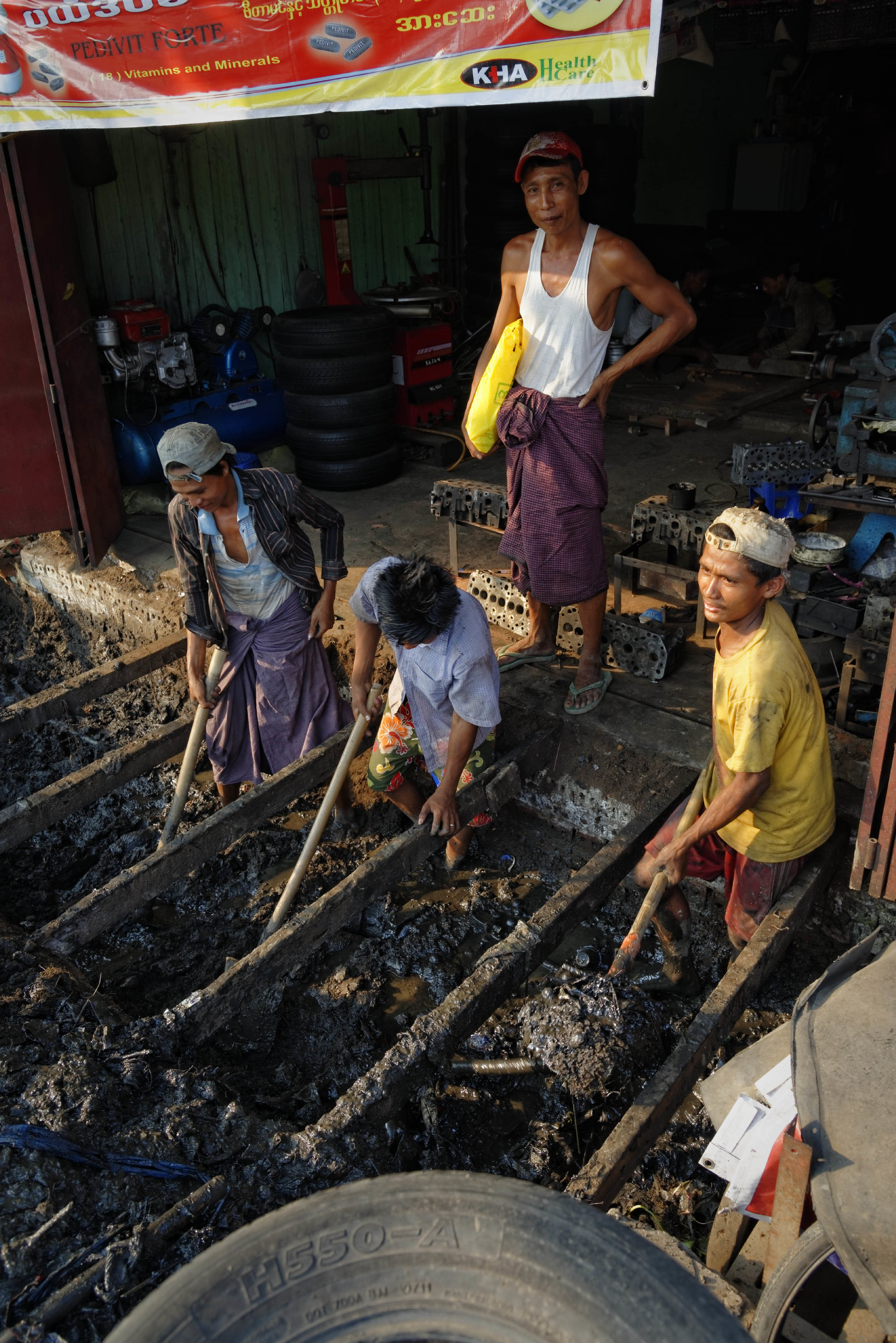
High-income countries often take the wastewater management process for granted. Yet only 58 per cent of the world’s domestic wastewater is safely treated, with significant variation across regions. For World Toilet Day, we delve into the data to gain a better understanding of employment in the water collection, treatment and supply and sewerage industries in different country contexts.
Where women work: female-dominated occupations and sectors

Despite women breaking barriers in science, technology, engineering, and mathematics (STEM) occupations and some overcoming obstacles in leadership roles, the transformation of the gender landscape in the workplace remains somewhat limited. Explore the latest insights from the new ILO database Worker and Sector Profiles.
Own-use provision of services: Measurement guide

This guide provides guidance on implementing the ILO add-on module for own-use provision of services (OPS) in national labour force surveys. It is aimed at low- and middle-income countries and is designed to support NSOs to produce statistics on OPS when resource constraints or other considerations impede an independent time-use survey.
Measuring unpaid domestic and care work

Discover a practical tool for measuring unpaid domestic and care work and find out how we can assist you in making time-use data collection and analysis faster, easier, and more accurate.
New standards, increased visibility: improving measurement of the informal economy

New statistical standards will improve the measurement of the informal economy, providing more useful and complete data to address informality through targeted policies.
Resolution concerning statistics on the informal economy

This resolution aims to set standards for statistics on the informal economy. It defines the statistical concepts of informal productive activities, the informal economy, the informal market economy and informal work and provides operational concepts, definitions and guidelines for the statistical measurement of its components.
From tradition to transformation: employment trends in postal and courier services

Technology has severely affected demand for postal services. At the same time employment in the industry is still rising in most countries, driven by rapid growth in courier activities. This apparent contradiction in fact supports the idea that while technological progress can destroy jobs and displace workers, it can also create more jobs, creating a positive overall effect. Looking to the future, reskilling, upskilling and support to help postal services accelerate their digitalization and diversification processes will be key to building the resilience and adaptability of workers and enterprises in the sector.