
The unseen workforce behind wastewater management
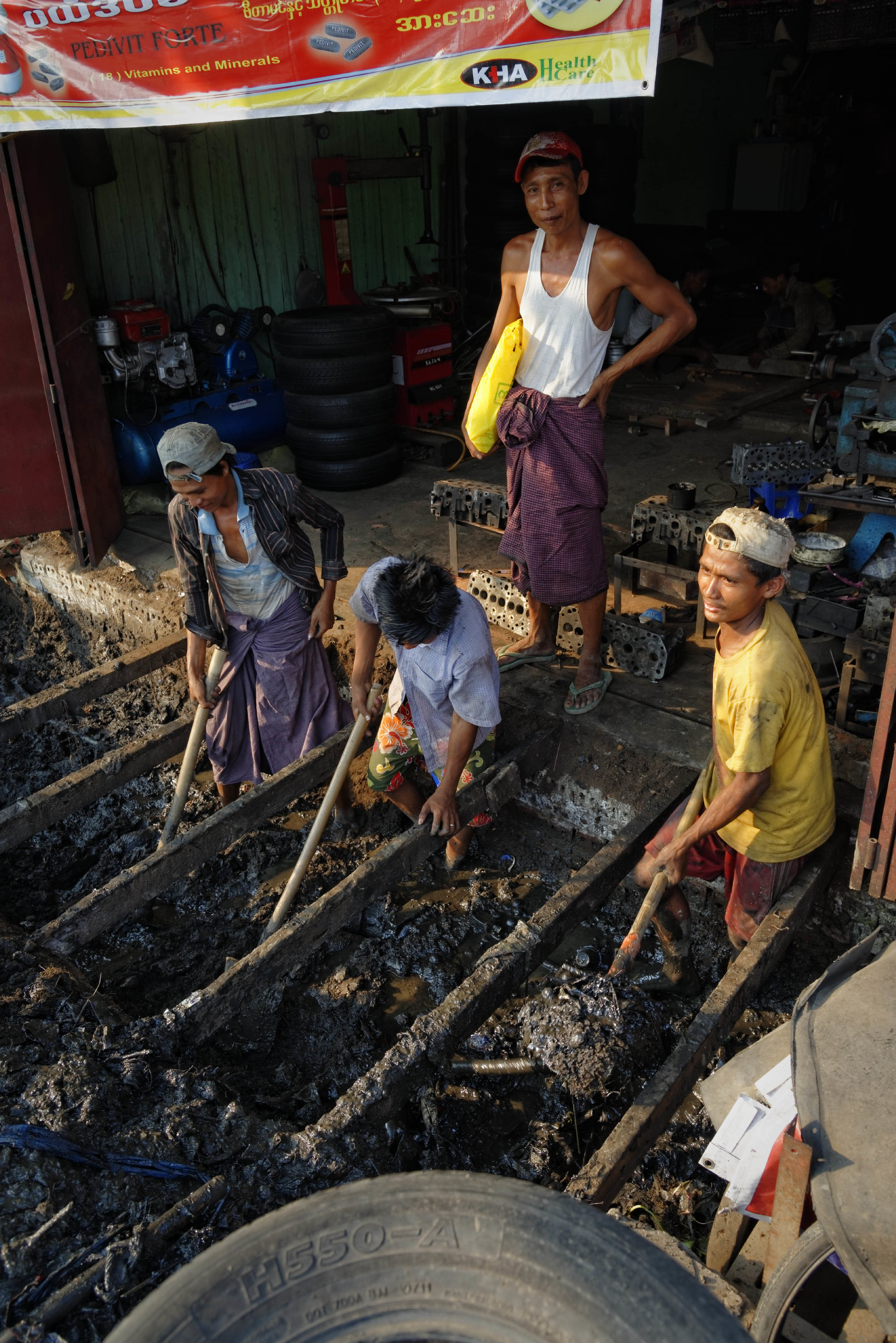
High-income countries often take the wastewater management process for granted. Yet only 58 per cent of the world’s domestic wastewater is safely treated, with significant variation across regions. For World Toilet Day, we delve into the data to gain a better understanding of employment in the water collection, treatment and supply and sewerage industries in different country contexts.
Where women work: female-dominated occupations and sectors
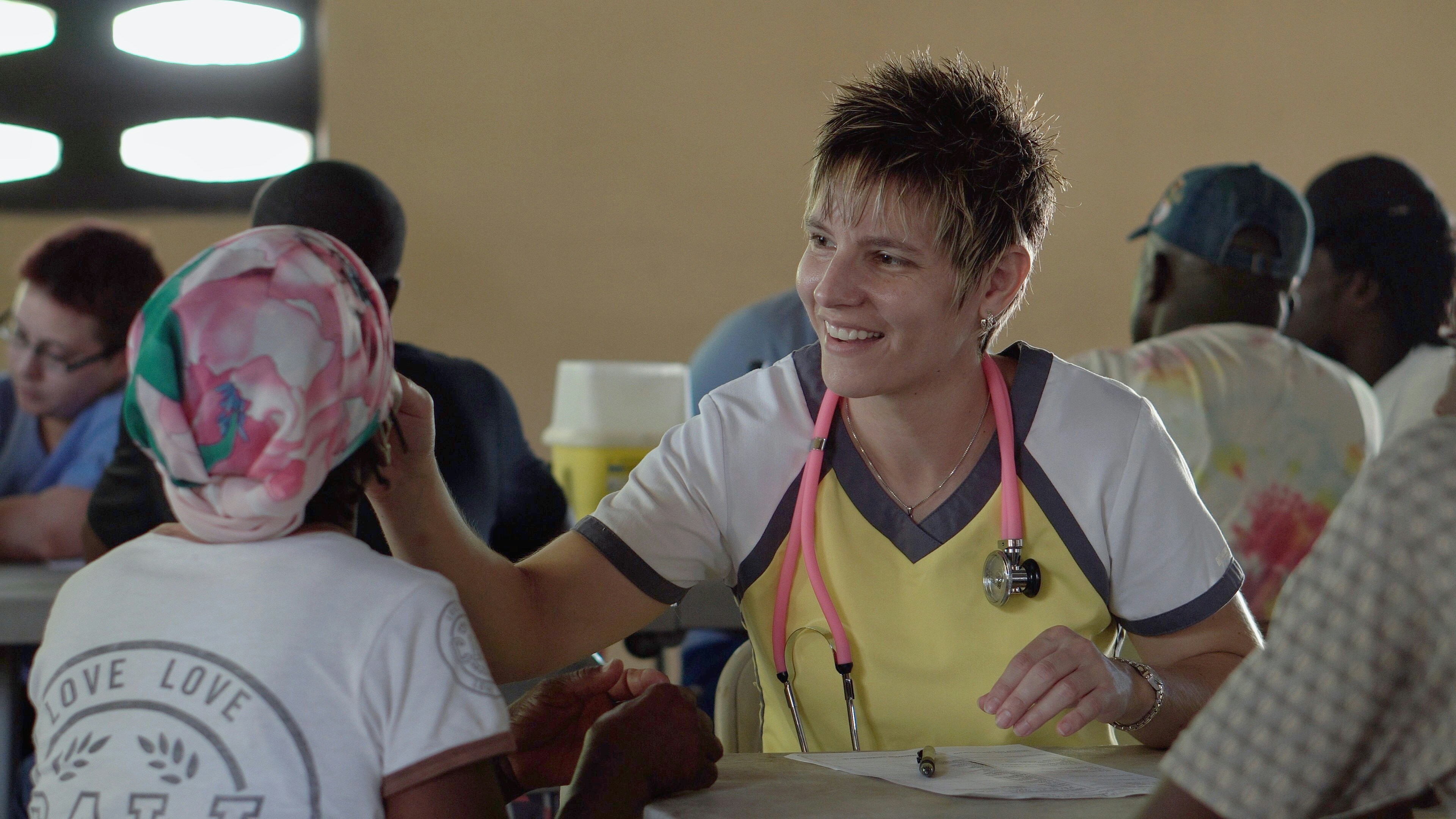
Despite women breaking barriers in science, technology, engineering, and mathematics (STEM) occupations and some overcoming obstacles in leadership roles, the transformation of the gender landscape in the workplace remains somewhat limited. Explore the latest insights from the new ILO database Worker and Sector Profiles.
Measuring unpaid domestic and care work

Discover a practical tool for measuring unpaid domestic and care work and find out how we can assist you in making time-use data collection and analysis faster, easier, and more accurate.
From tradition to transformation: employment trends in postal and courier services

Technology has severely affected demand for postal services. At the same time employment in the industry is still rising in most countries, driven by rapid growth in courier activities. This apparent contradiction in fact supports the idea that while technological progress can destroy jobs and displace workers, it can also create more jobs, creating a positive overall effect. Looking to the future, reskilling, upskilling and support to help postal services accelerate their digitalization and diversification processes will be key to building the resilience and adaptability of workers and enterprises in the sector.
How data can bolster decent work in the tourism sector
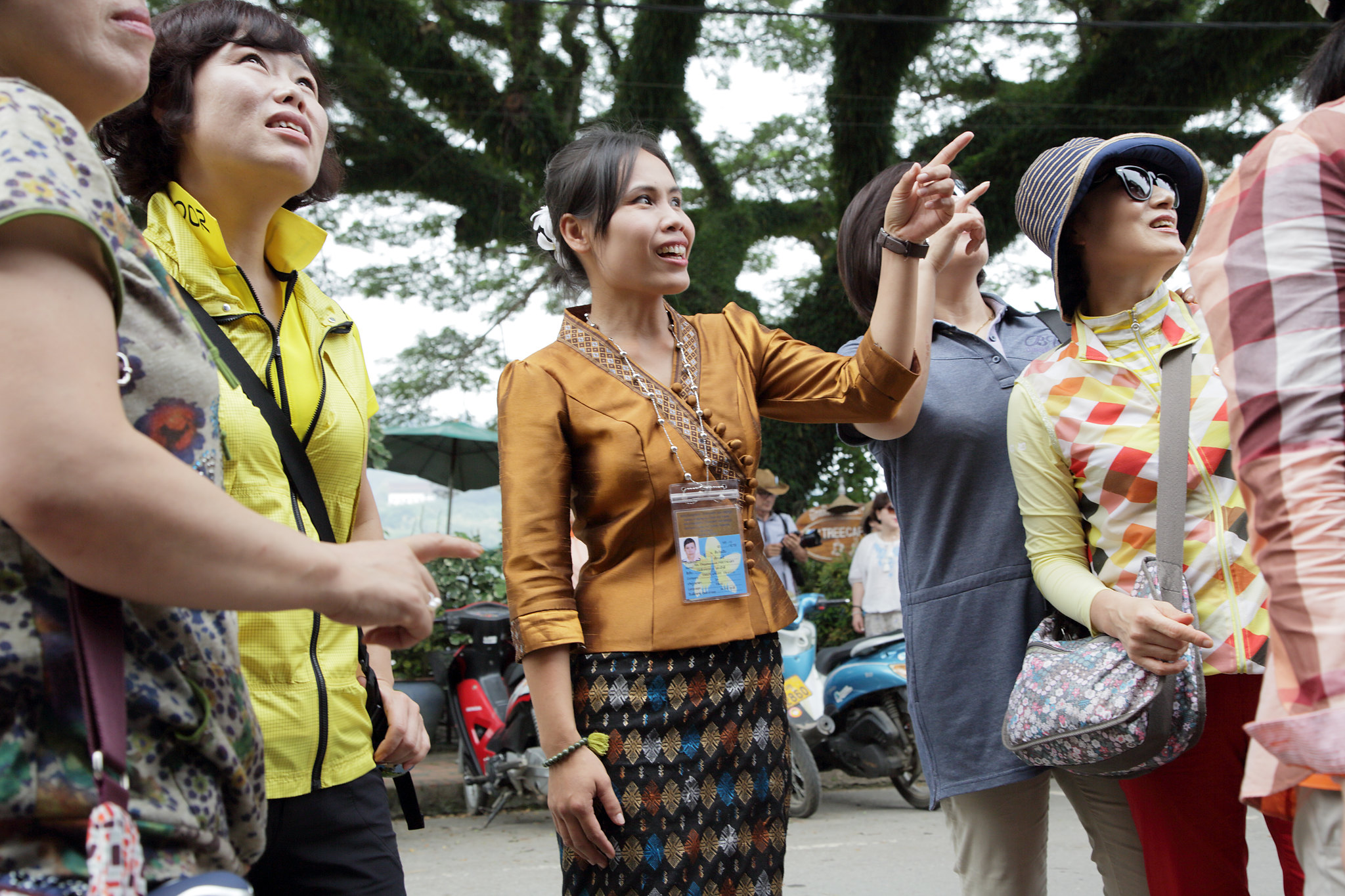
In-depth tourism employment data can provide valuable insights for shaping policies that benefit enterprises and improve the welfare of workers in the industry.
Equal pay for work of equal value: where do we stand in 2023?

Despite some progress, gender wage gaps persist and are even widening in some occupations. Gender wage gaps are not primarily attributable to differences in educational attainment, and in general do not narrow but rather often increase with age.
African youth face pressing challenges in the transition from school to work

More than 72 million youth in Africa are not in education, employment or training – the majority of them young women. Tackling youth inactivity and gender inequalities is essential if countries are to achieve Sustainable Development Goal 8 on decent work for all by 2030.
Youth skills: tackling challenges and seizing opportunities for a brighter future of work
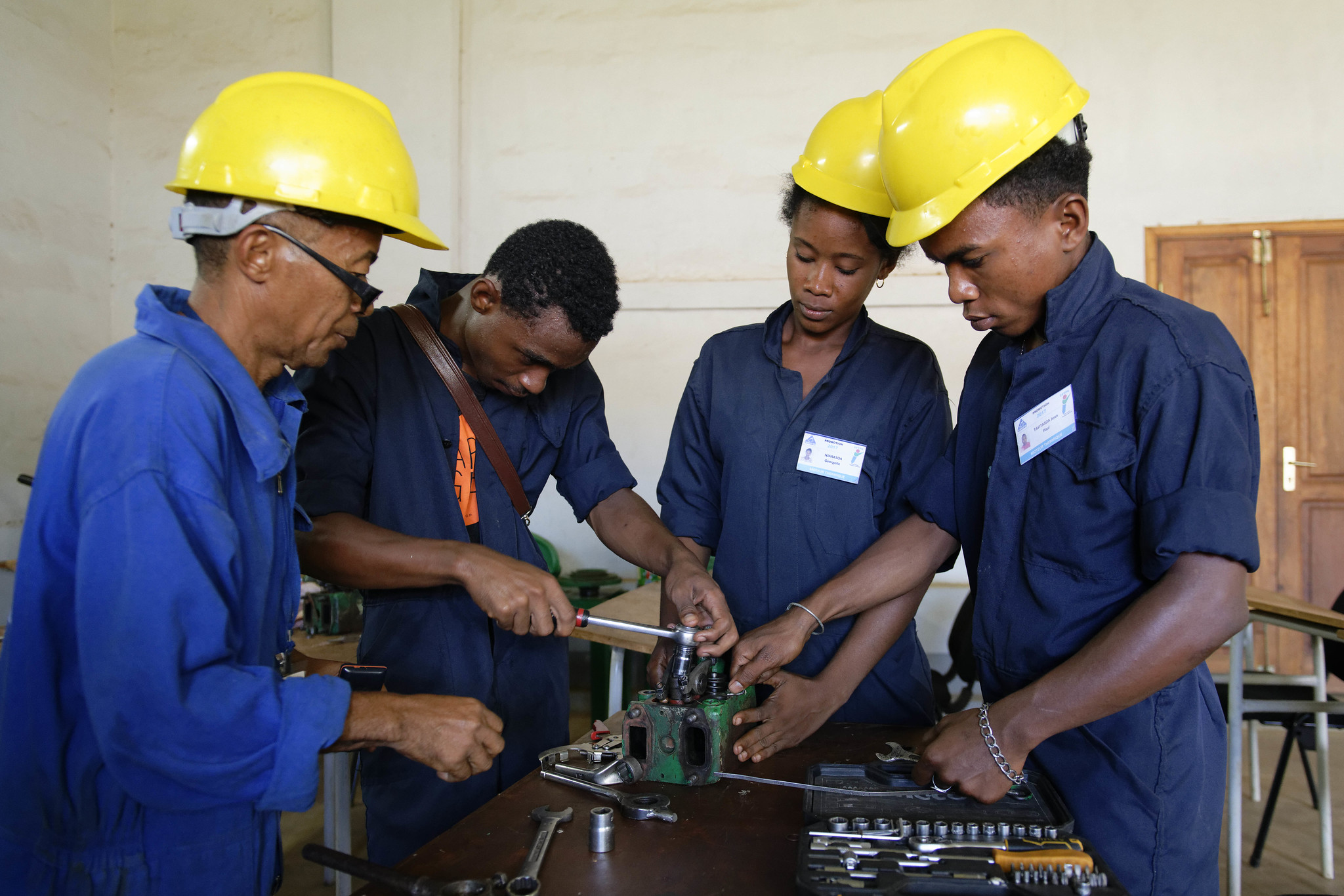
Leveraging the ILO’s microdata, an analysis of global labour market and occupational trends highlights strategies to strengthen skills development and boost the competitiveness, agility, and resilience of youth.
Nurses and midwives: overworked, underpaid, undervalued?
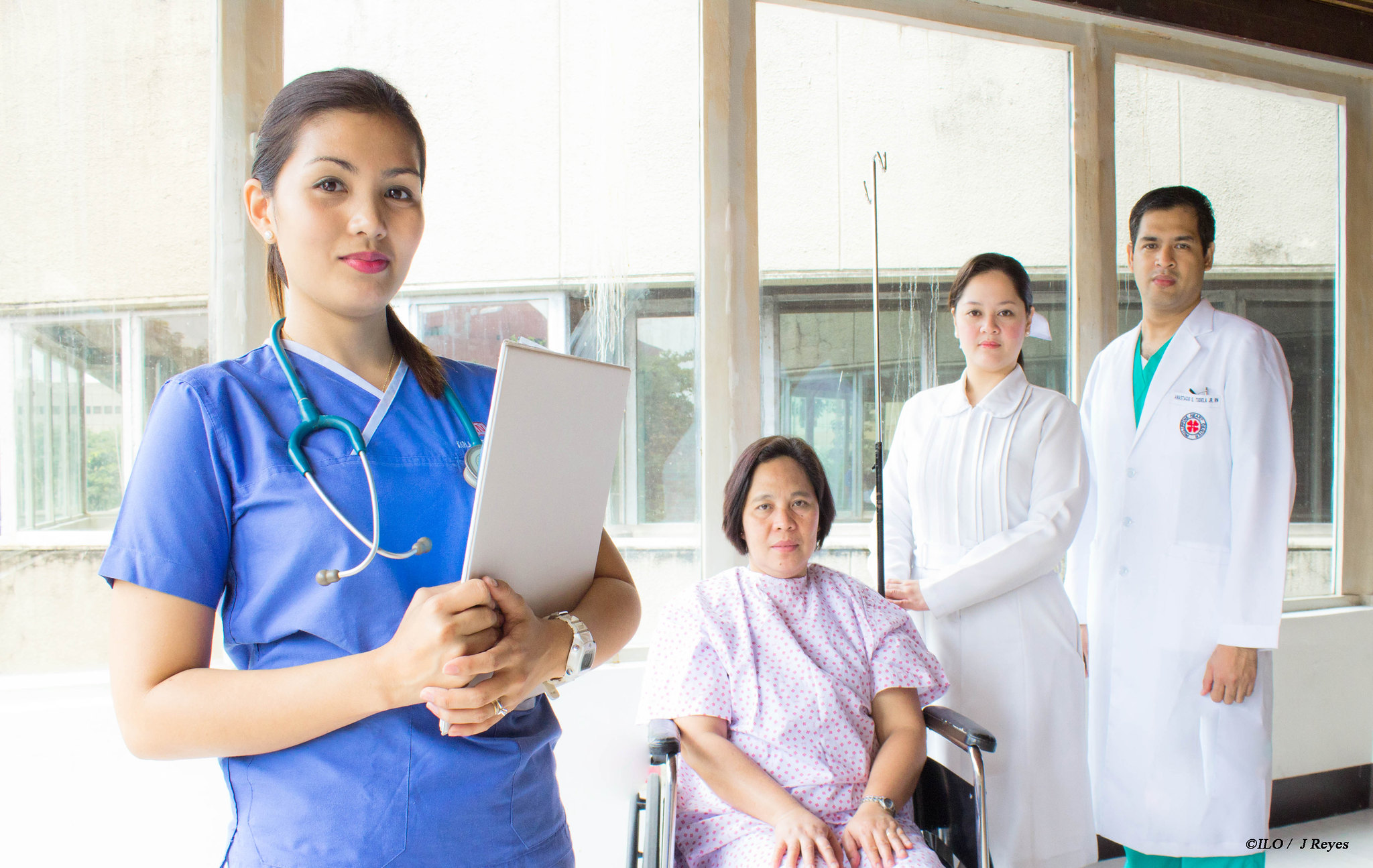
May marks both International Day of the Midwife and International Nurses Day – two groups of workers that play essential roles in any healthcare system. However, both professions – which are dominated by women – are characterised by long hours and low pay. So, what can be done to improve working conditions and help nurses and midwives deliver the best quality care to patients?
ILO data highlights need for disability disaggregated labour force surveys and investment in data systems

Data on labour market disparities between persons with and without disabilities are essential to inform transformative policymaking and programming. Yet, analysis of ILOSTAT datasets reveal that many countries do not collect population-level data on disability status, hampering efforts to disaggregate labour market indicators. Investment in national data systems is needed to advance disability inclusion. This blog focuses on Africa, where we see progress toward more inclusive data systems in many countries, but gaps remain.