
Disability Labour Market Indicators (DLMI database)

Concise description of concepts and definitions, uses, sources and limitations for the labour force statistics disaggregated by disability status.
Labour Market-Related SDG Indicators (ILOSDG database)
Concise description of concepts and definitions, uses, sources and limitations for labour market-related sustainable development indicators.
COVID-19 and the Sustainable Development Goals: reversing progress towards decent work for all
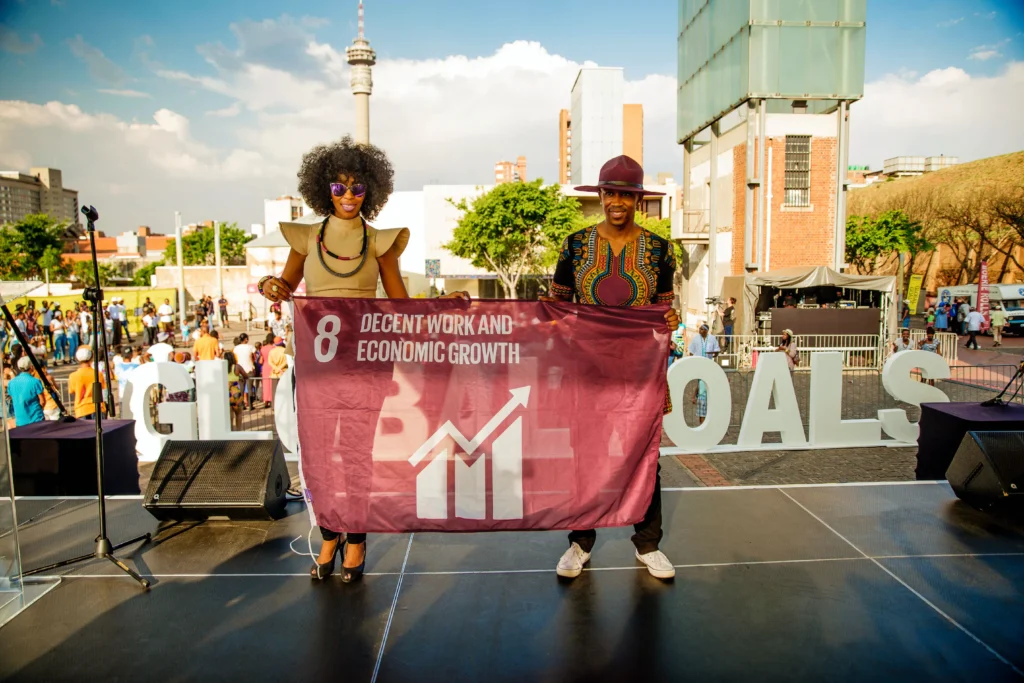
The pandemic wreaked havoc on people’s lives and societies, but how far did it set the global community back in reaching the SDG targets related to decent work and economic growth?
Measuring labour migration in ASEAN: Analysis from the ILO’s International Labour Migration Statistics (ILMS) Database

This report presents the latest statistics on international labour migration in ASEAN Member States, providing a comprehensive picture of the demographic profiles and work-characteristics of migrant workers in the labour markets of ASEAN countries of destination, as well as the flows of labour migration to and from the ASEAN region.
Over 2 million moms left the labour force in 2020 according to new global estimates
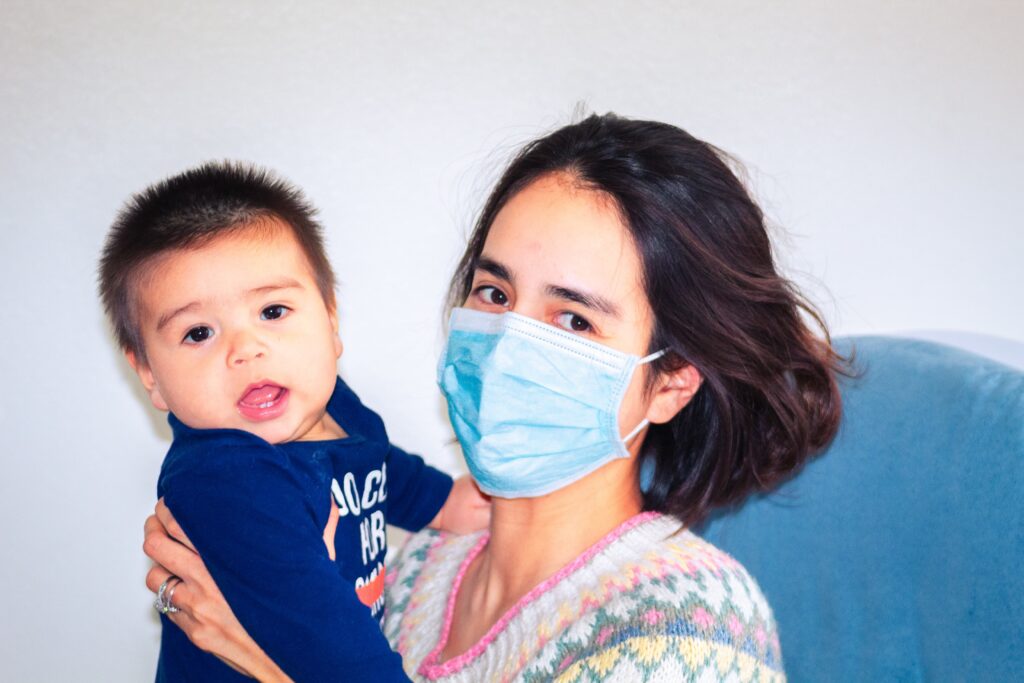
Released today, new global data covering 189 countries and territories expose the motherhood penalty faced by millions of women around the world in the midst of the COVID-19 pandemic.
Measuring migrant recruitment costs for SDG indicator 10.7.1

This free e-course is available on eCampus, ITCILO’s online learning platform.
This self-paced e-course on measuring migrant recruitment costs provides an overview on how to produce data on SDG Indicator 10.7.1 to track progress towards achieving safe, orderly, and regular migration. It covers global commitments, the definition of recruitment costs, data collection methods, indicator calculation, analysis, and reporting for informed decision-making.
What to know when comparing data on women and men’s work
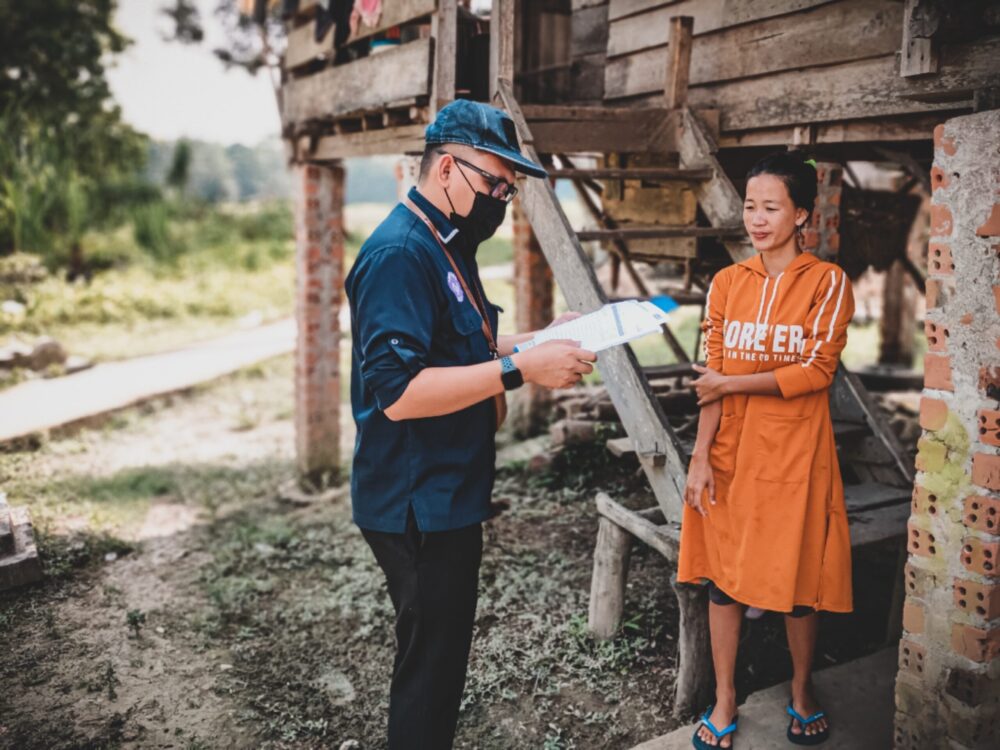
How many men and women were employed last week? How many hours did they work in their main jobs? And how many hours did they work in unpaid activities such as caring for children? These are seemingly straightforward questions but measuring paid and unpaid work through household surveys is anything but straightforward. This holds true especially for women in developing countries, who are more often engaged in informal activities such as microenterprises or small-scale farming — activities that can fall through the cracks of traditional surveys.
Measuring Women and Men’s Work: Main Findings from a Joint ILO and World Bank Study in Sri Lanka
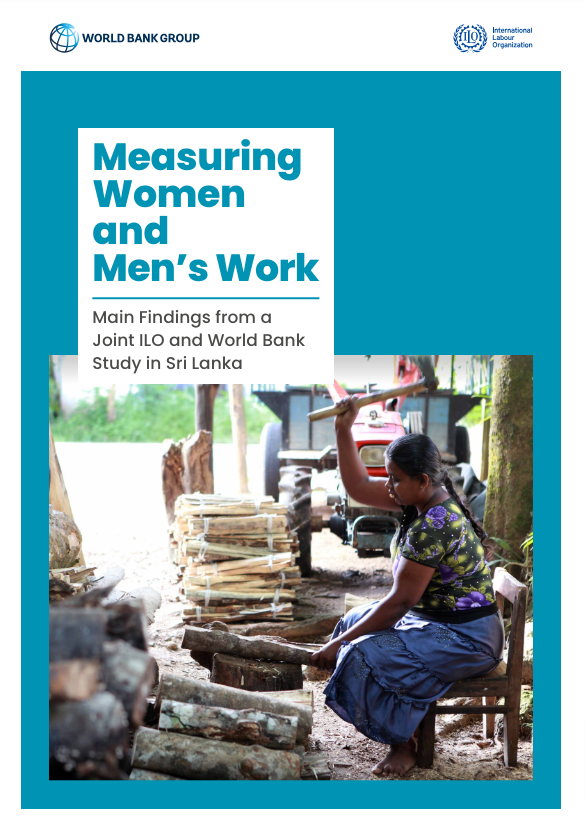
This report presents the findings of the ILO-World Bank study in Sri Lanka. It shows the key areas of inconsistency discovered between the labour force survey and multi-topic living standards survey, how those inconsistencies were addressed across a range of topics including the measurement of employment, labour underutilization and own-use production work. In addition, the report highlights the range of valuable data that can be generated when the 19th ICLS standards are applied through household surveys.
Measuring Women and Men’s Work: Summary of Main Findings and Recommendations from a Joint ILO and World Bank Study in Sri Lanka

This brief highlights the key lessons learned during the ILO-World Bank study in Sri Lanka. It provides recommendations for household surveys seeking to measure in line with the latest international statistical standards, in particular those adopted at the 19th ICLS.
Building Forward Fairer: Women’s rights to work and at work at the core of the COVID-19 recovery

This policy brief provides an outlook of where women stand in the labour market after more than a year into the COVID-19 pandemic.