
How women are being left behind in the quest for decent work for all

The United Nations’ Sustainable Development Goals set out a shared vision to end poverty, fight inequality and injustice, and tackle climate change by 2030. Will the pandemic reverse progress in advancing decent work for all as prescribed under Goal 8? It seems likely, at least for women.
Strengthening gender measures and data in the COVID-19 era: An urgent need for change
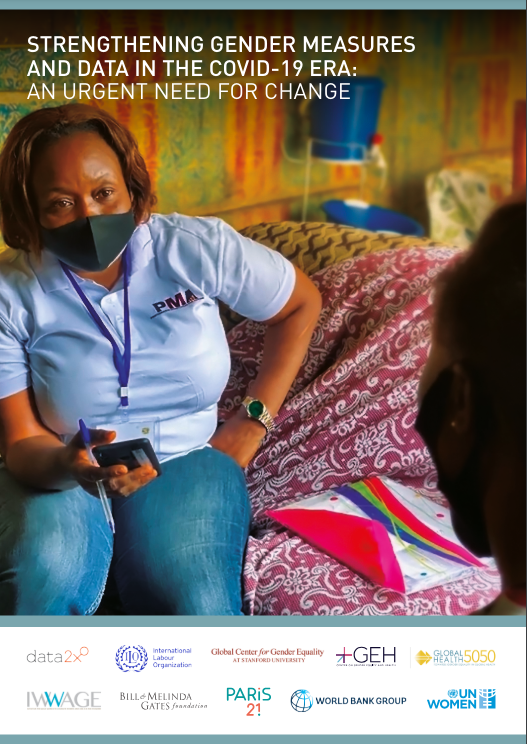
This brief highlights 5 key areas where strong and decisive action is required to achieve sustainable improvement in the availability of key gender data, including in the world of work.
How to strengthen gender measures and data in the COVID-19 era
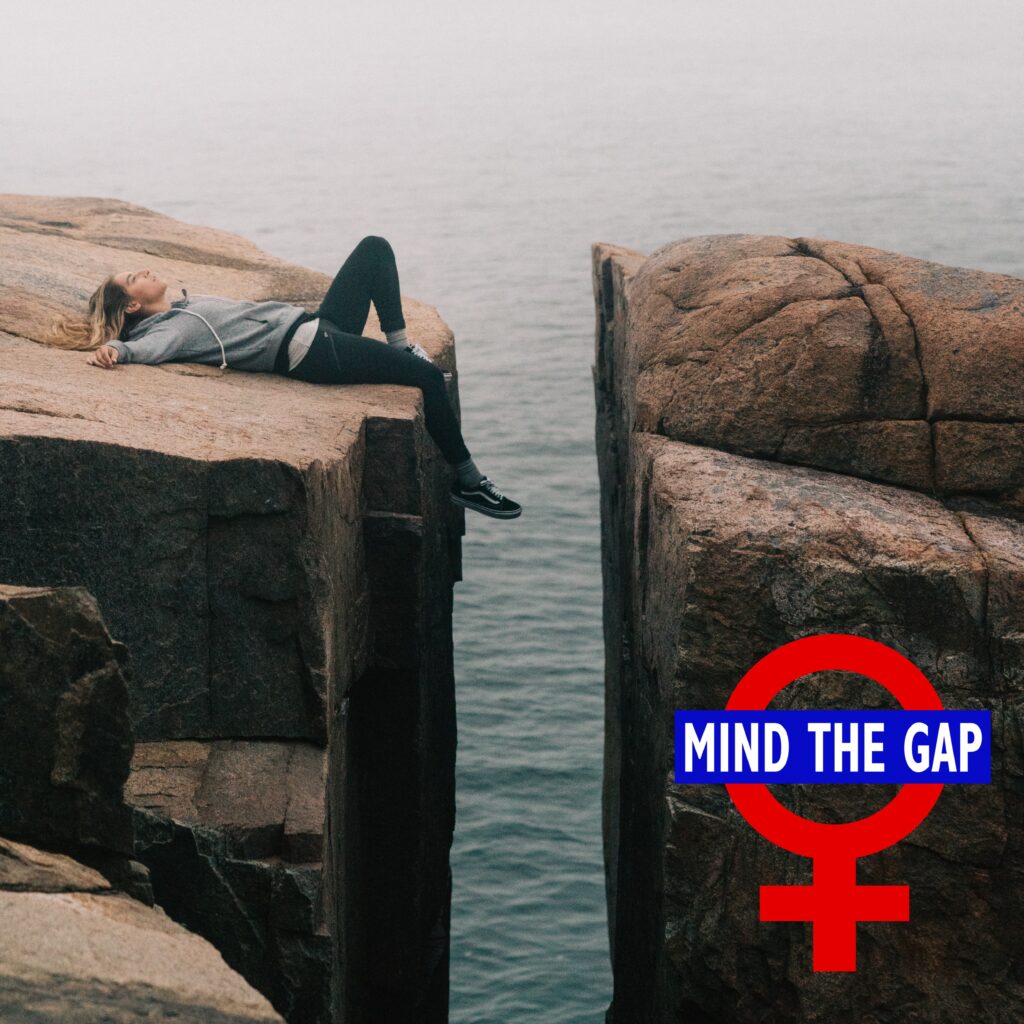
The data is abundantly clear on one point: the COVID-19 pandemic has had a disproportionately negative impact on women. Because more women work in the tourism, retail, and informal sectors, which have been hardest hit by the pandemic, their livelihoods have been upended. Understanding the extent of this impact is the first step in reversing course. Yet the pandemic has also exposed and exacerbated data gaps that undermine our ability to act intentionally and craft effective policy responses.
Who are the women on the move? A portrait of female migrant workers
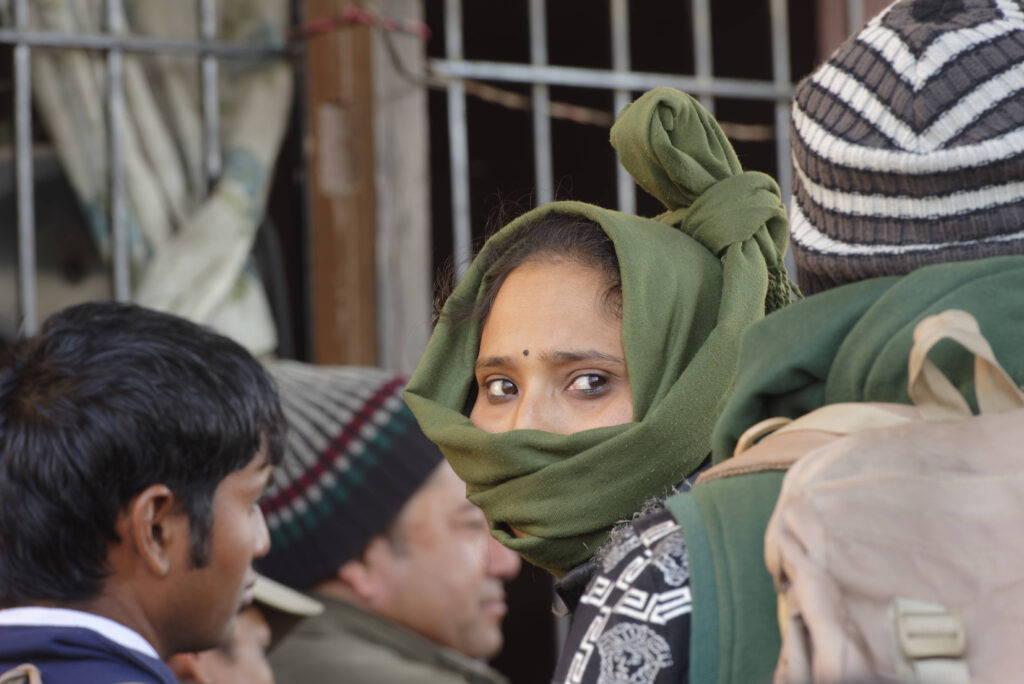
The international migration of women, either together with their family or on their own, is an increasingly important and complex phenomenon but remains insufficiently documented owing to a lack of data. New ILOSTAT data offer some insights on the profile of women looking for work and better opportunities abroad.
International Day of Persons with Disabilities: how disability affects labour market outcomes
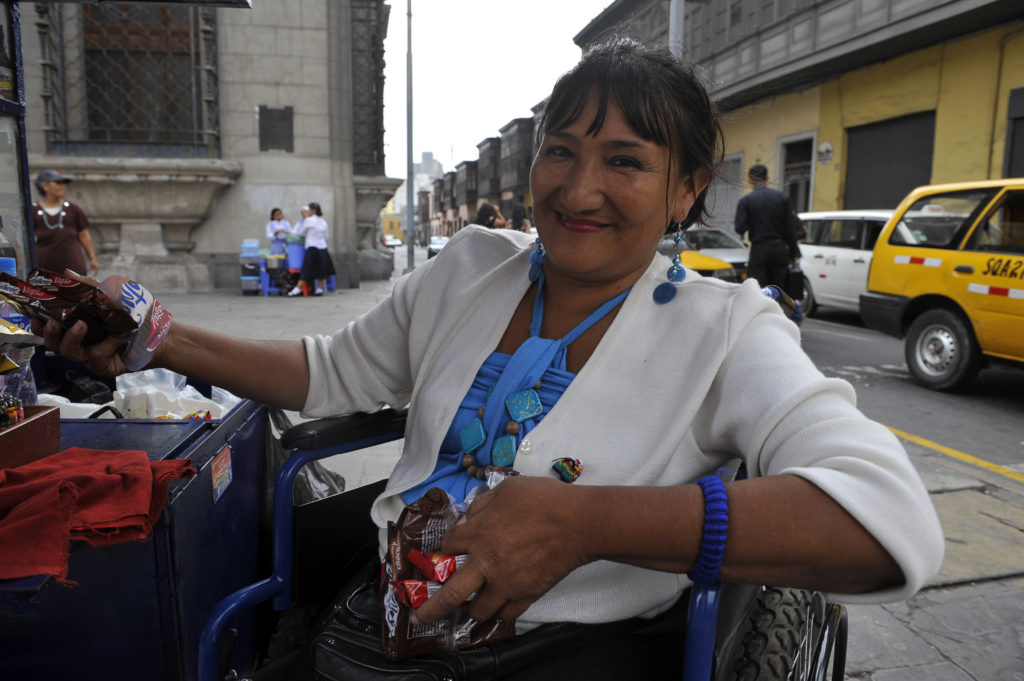
People with disabilities make up 15 per cent of the global population according to the World Report on Disability published by the World Health Organization and the World Bank in 2011. Yet, they are far from adequately represented in labour markets around the world.
Fallout of COVID-19: working moms are being squeezed out of the labour force
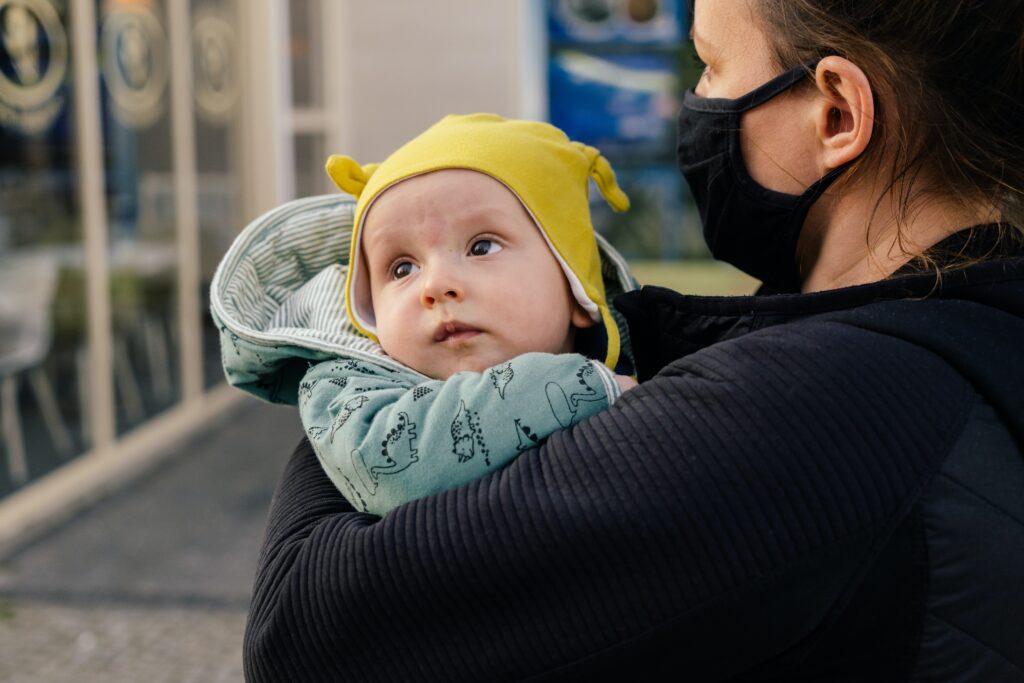
A workable balance is what parents are desperately trying to find in these uncertain times. Even in “normal” times, the balance between work and family has not been an easy one to achieve. The challenge is not new, especially for women. But the pandemic is shining a stadium size light to the problem, can it also shine light on the solution?
Report on Labour Migration Statistics in Africa (Third Edition, 2019)
This report outlines the labour migration trajectory in Africa and facilitates the design of informed policies and programmes for the effective protection of labour migrants and their families leading to the promotion of sustainable development in both countries of origin and destination.
Making Women’s Work Visible: The 19th ICLS Standards, Purpose and Progress
This Data2X-ILO joint report builds on previous ILO reports on how new measurement approaches can help close gender data gaps in the world of work by further illustrating the differences between how women and men work and how improved measurement can support women’s economic empowerment.
Volunteer work and its links to the labour market experiences of young people
This paper looks at how volunteering can benefit young people at the start of their careers. It uses existing literature and undertakes further longitudinal analysis, including on the effects of volunteering on young people as they seek to access good jobs.
Lessons from the pandemic: building better gender data for the future
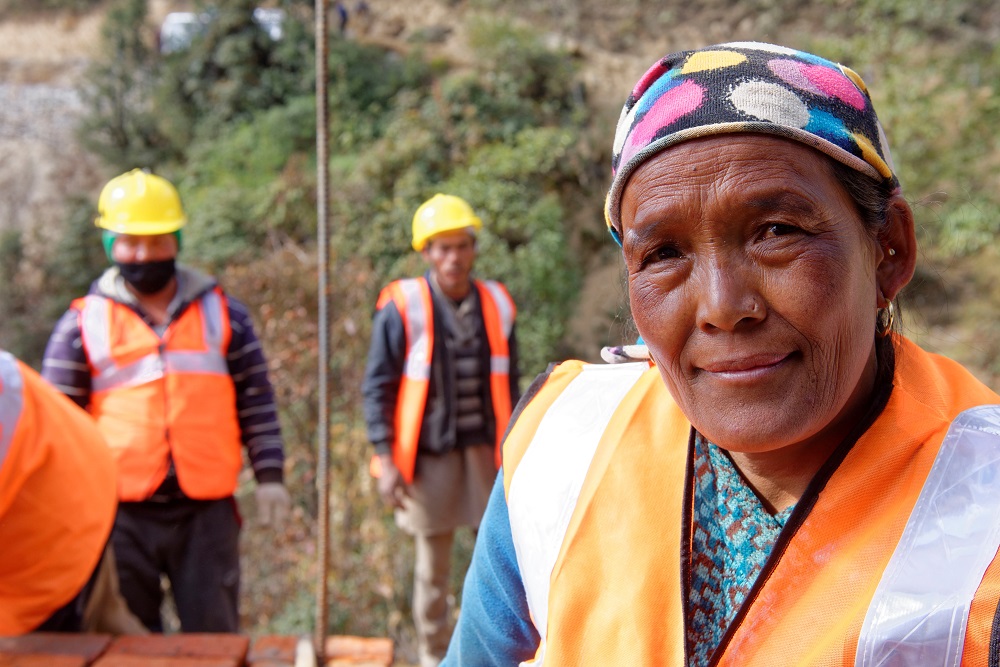
The COVID-19 pandemic has laid bare not only inequalities in the world of work, including between women and men, but it has also further emphasised the gender data gaps that hamper our understanding of the depth, nature and evolution of those inequalities.