
International Day of Rural Women: the unfinished quest for decent work for all
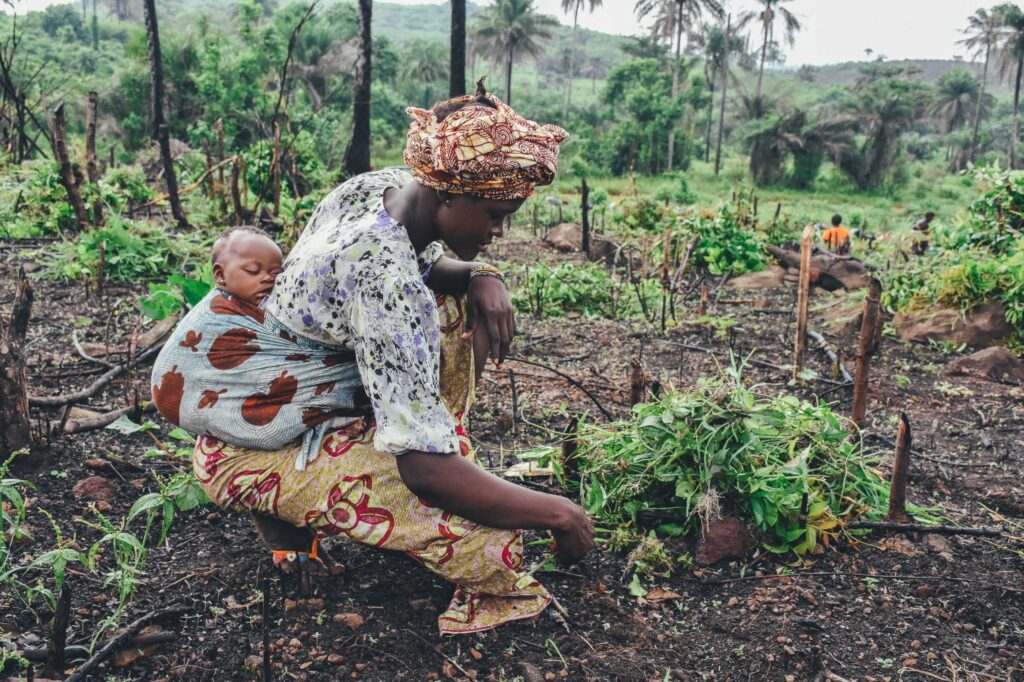
Challenges to decent work are different in rural and urban areas, but women in rural areas face additional hurdles to access decent work. Higher labour force participation in rural areas in the developing world and widespread decent work deficits of rural jobs reveal the need to promote healthy rural labour markets for everyone.
Lessons from the COVID-19 pandemic: Gender relevance of the 19th ICLS statistical standards

This brief gives a summary overview of the impact of the introduction of the 19th ICLS statistical standards on labour statistics, as compared with the previous standards from the 13th ICLS. The key gender differences between the frameworks are illustrated using data collected from pilot studies completed between 2015 and 2017.
Lessons from the COVID-19 pandemic: Closing gender data gaps in the world of work – role of the 19th ICLS standards

This report provides a detailed overview of the relevance of the 19th ICLS for gender analysis of participation in work and the labour market. It uses data from the pilot studies completed between 2015 and 2017 to illustrate the wide range of analytical potential when the new standards are implemented.
Rural and urban labour markets: Different challenges for promoting decent work

This issue of Spotlight on Work Statistics explores the rapid urbanization observed in the world and the accompanying shifts in employment from agriculture to non-agricultural activities. It sheds light on differences between rural and urban areas in labour force participation and labour underutilization (and especially unemployment). It also attempts to reveal differences in the quality of employment in rural and urban areas.
Millions of hours spent daily on unpaid work: evidence from Asia and the Pacific
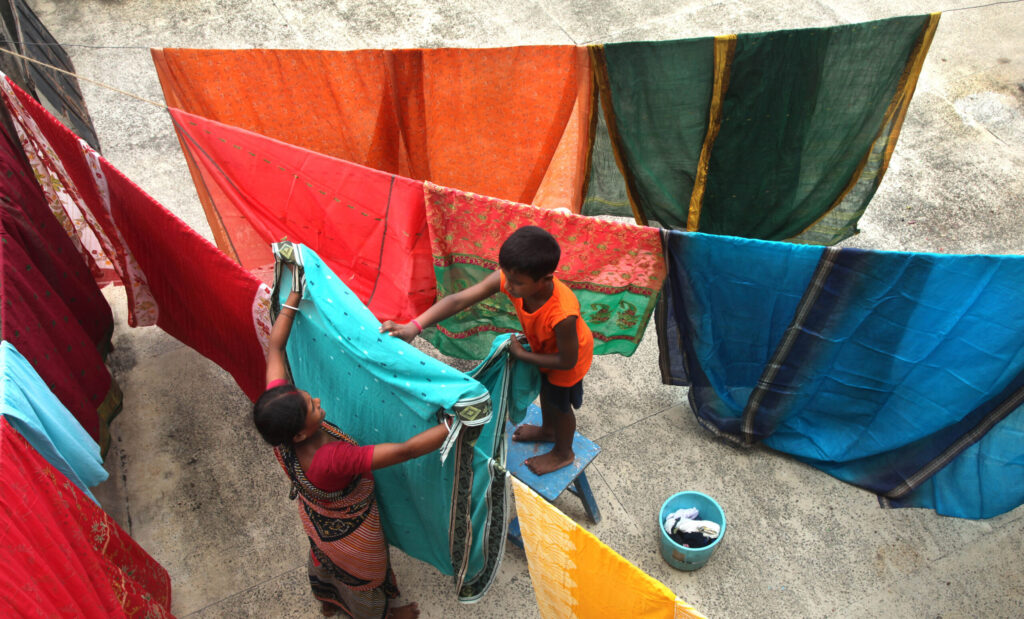
Unpaid production work is the foundation of all other productive work, yet the time spent on these activities is often neglected in labour market analyses.
Education pays off, but you have to be patient

The pandemic is making us rethink and re-organize education. Workers with higher educational attainment may expect to be able to find a job (and a quality job, for that matter) as soon as they become available. But is that so?
International Labour Migration Statistics (ILMS database)
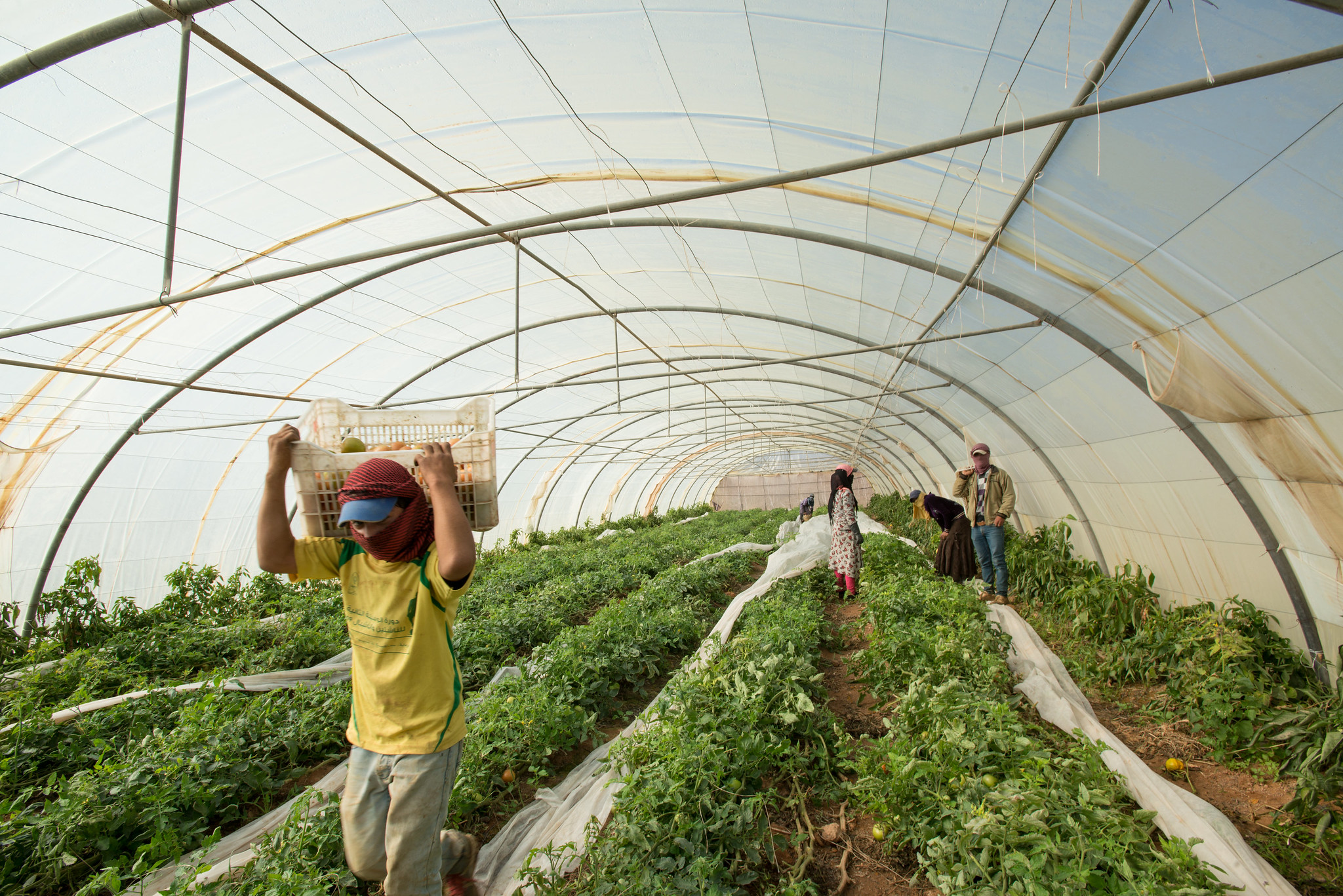
Concise description of concepts and definitions, uses, sources and limitations for international labour migration statistics, including stocks and flows.
Spotlight on SDG 8: The impact of marriage and children on labour market participation
This publication, drawing on a global dataset and new indicators developed by the ILO and UN Women, shows that women’s employment is shaped by domestic and caregiving responsibilities in ways that men’s is not.
International Day of Families: how marital status shapes labour market outcomes
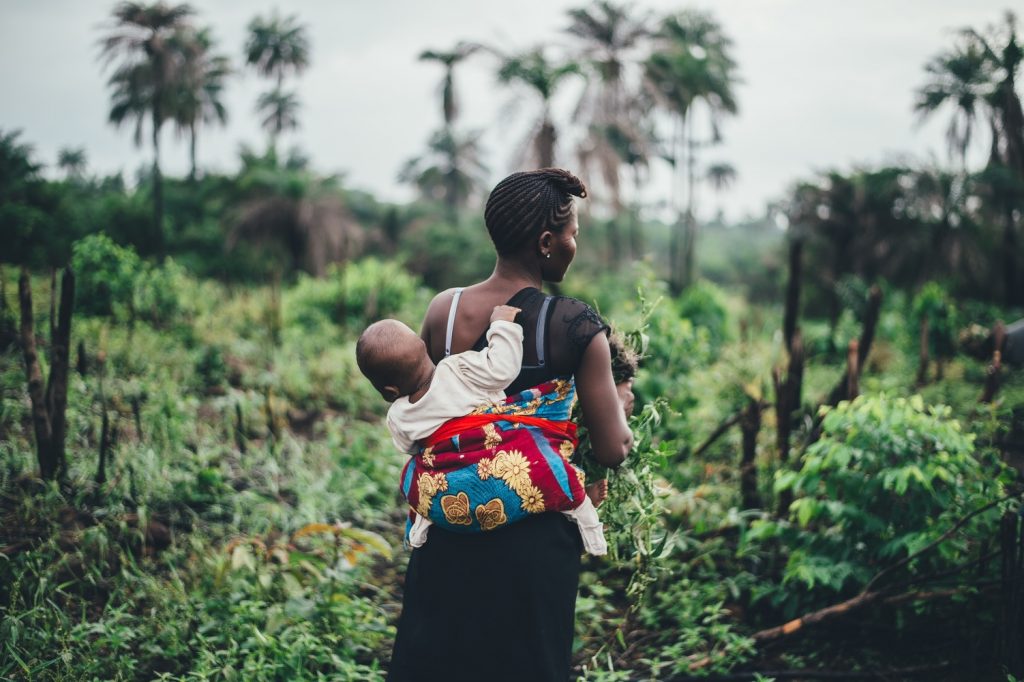
Married life still has a gendered effect on women and men’s labour market outcomes, including their labour force participation, the type of jobs they hold and the forms of labour underutilization they are exposed to.
“I am Generation Equality”: ideals versus reality in Asia and the Pacific’s labour markets
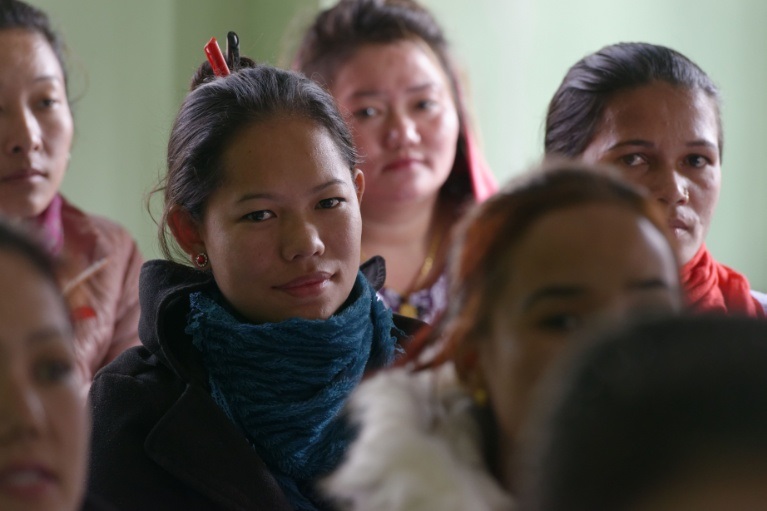
In 1995, an ambitious and progressive plan to improve empowerment of all women and girls globally was developed at the historic Fourth World Conference on Women. Since then, a new generation of women workers have become eligible to enter the workforce; but have they been able to find equal work and pay?