
Tackling work-related violence and harassment: What data from three pilot surveys in West Africa reveal
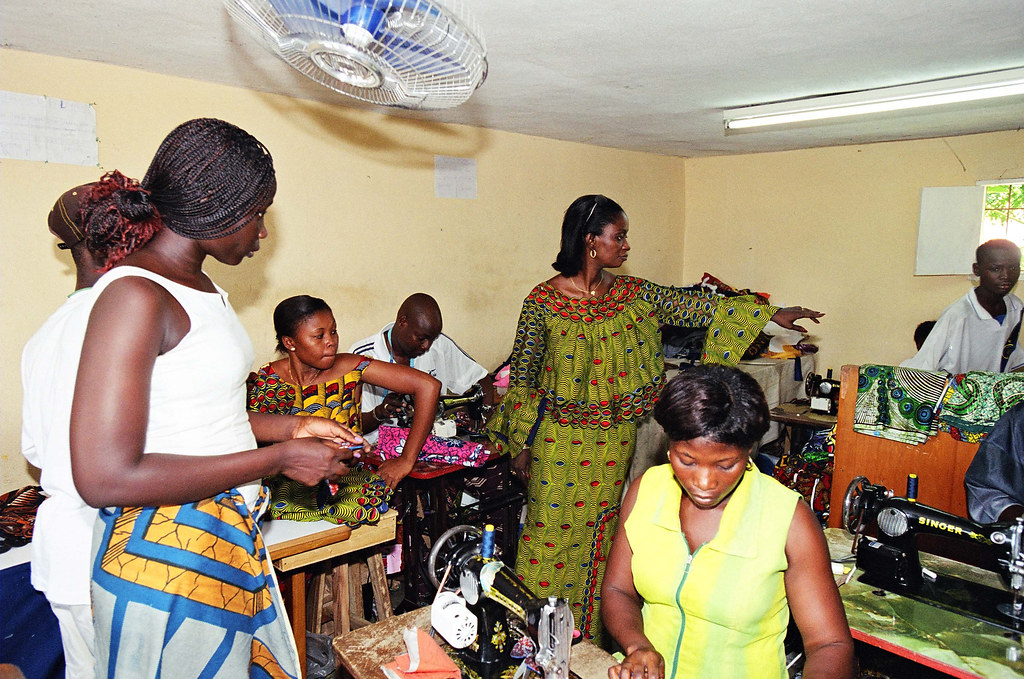
Initial results from pilot surveys in Burkina Faso, Côte d’Ivoire and Senegal reveal significant prevalence of violence and harassment at work. Psychological violence and harassment is the most common form, with women being particularly affected by sexual violence and harassment. These behaviours affect the mental and physical well-being of workers, calling for urgent action.
Communicating new labour statistics standards implementation
ILO sectoral meetings
ILO Sectoral Policies Department (SECTOR)
Communication of statistics
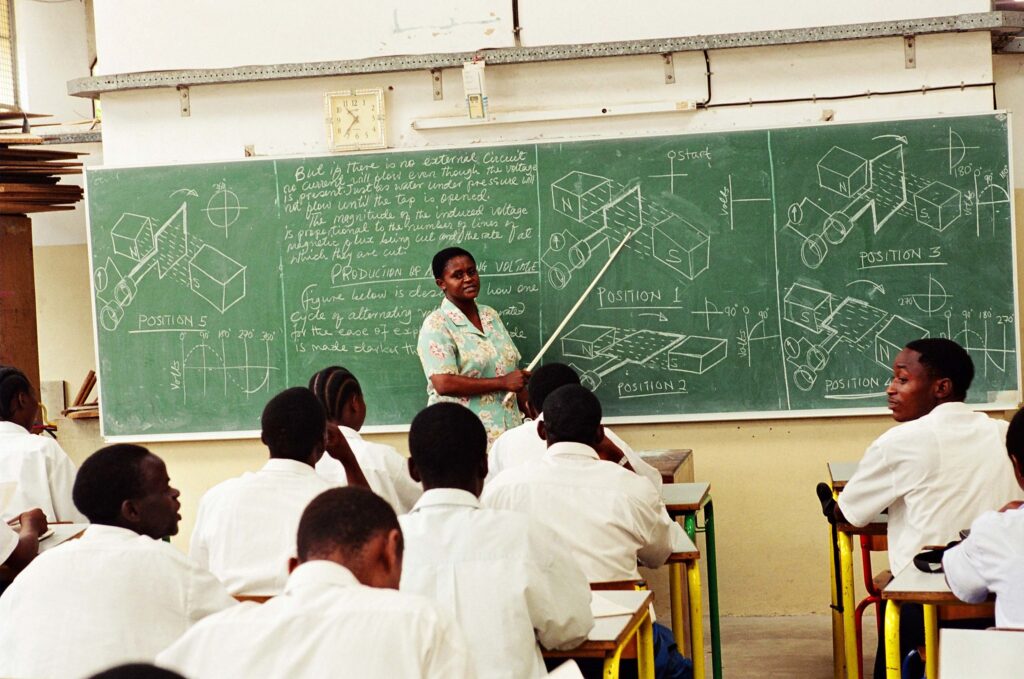
Resources for data producers to ensure an effective communication of statistics and methodologies, to make the most of the data produced and avoid misinterpretation, especially of breaks in series following the implementation of new standards in the LFS.
UNECE Dissemination and communication
The impact of care responsibilities on women’s labour force participation

This brief provides a detailed overview and analysis of the new ILO global and regional estimates of persons outside the labour force due to care responsibilities.
ILO Labour Force Survey toolkit
Labour force surveys (LFS) are the main source for many key indicators of the labour market and the world of work. To support countries in conducting their national LFS in line with international standards, the ILO Department of Statistics developed an LFS toolkit which features a model survey questionnaire, a national adaptation guide, a variable derivation guide, a syntax sample, and many more resources. Discover the ILO LFS toolkit with this video, and check its contents in its page: https://ilostat.ilo.org/resources/lfs.
New statistical standards for improved measurement of the informal economy
Most employed people around the world are in the informal economy, which increases people’s vulnerability and puts national economies at risk. Through new statistical standards on the informal economy and improved data collection tools and methods, the ILO helps countries improve their measurement of informal employment to better understand the working lives and conditions of people with informal jobs.
Shedding Light on the World of Unpaid Domestic and Care Work
Every day, 16 billion hours are devoted to unpaid domestic and care work (UDCW) around the world. As global populations age, these figures are set to rise, with a disproportionate impact on women, who perform the vast majority of this work. Quantifying UDCW is critical to understanding labour markets, employment trends, and gendered roles and inequalities.
To meet this growing need, the Statistical Standards and Methods Unit of ILO has developed a “light time-use measurement module,” an innovative tool building on the latest international best practice that offers more efficient and comprehensive data collection of UDCW, helping us move a step closer to a more equitable world of work and social justice for all.