
Assessing the current state of the global labour market: implications for achieving the Global Goals

The Sustainable Development Goals (SDGs) are a set of 17 global goals to end poverty, protect the planet, and ensure prosperity for all. But with the COVID-19 pandemic upending the global labour market in recent years, progress towards achieving these goals has been disrupted. From rising unemployment and informal work to slowing productivity growth and persistent gender inequalities, the pandemic has highlighted the need for urgent action to build a more resilient and equitable world of work.
New data shine light on gender gaps in the labour market
A new indicator developed by the ILO finds that women’s access to employment, working conditions and pay gap have barely improved in the past two decades.
Contribution of the forest sector to total employment in national economies – Estimating the number of people employed in the forest sector

This study employs a new method to fill the gaps of missing data points in order to provide sound total employment estimates in the forest sector on a global scale.
Forest sector employs 33 million around the world, according to new global estimates
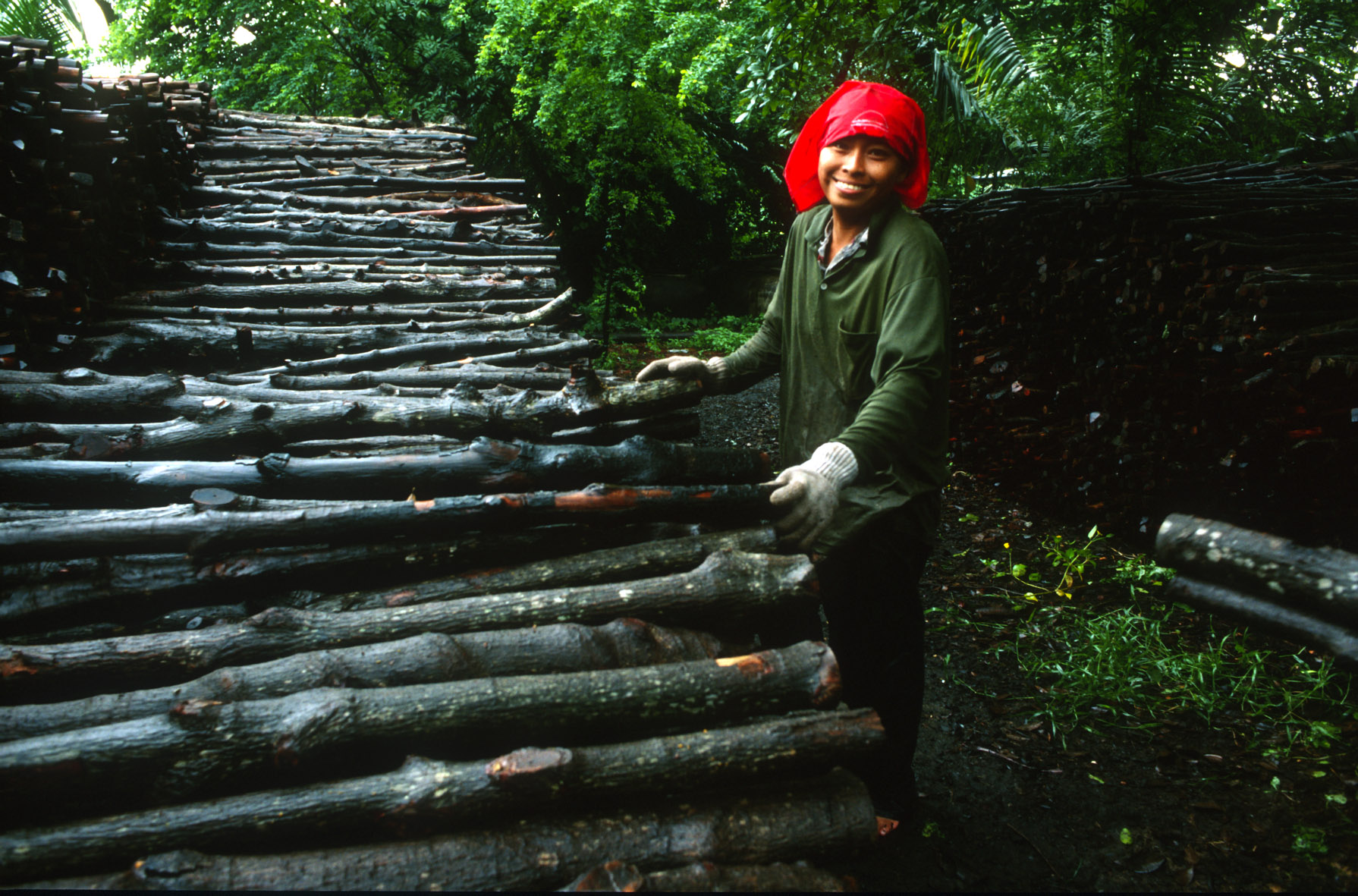
Quantifying how many people are employed in the forest sector is not a straightforward exercise. Nonetheless, the ILO, FAO and the Thünen-Institute of Forestry joined forces to estimate the global workforce in forest-related activities and provide insights on labour market trends in this sector.
Worker and sector profiles (PROFILES database)

Concise description of concepts and definitions, uses, sources and limitations of indicators in the Worker and Sector Profiles, including definitions for the groups of occupations and/or sectors recombined to create these profiles.
Global Employment Trends for Youth 2022: Investing in transforming futures for young people

The 2022 edition discusses the impact of the COVID-19 pandemic on young people and their labour market prospects during the recovery and beyond.
Breaking the bias for better gender data
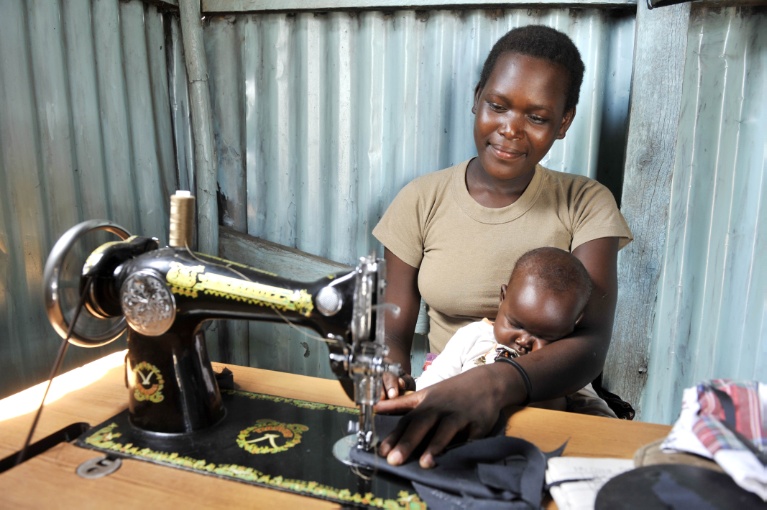
Generating high quality statistics relies on eliminating gender bias at all stages of the production process. This blog looks at how gender bias occurs in statistics and what the ILO is doing to support efforts to minimize it.
New ILO database highlights labour market challenges of persons with disabilities

There are an estimated 1 billion persons with disabilities around the world, or 15 per cent of the global population. Most of them are of working age. New labour market indicators are now available on ILOSTAT that reveal the many challenges faced by persons with disabilities compared with persons without when it comes to the world of work.
Labour Force Statistics (LFS, STLFS, RURBAN databases)
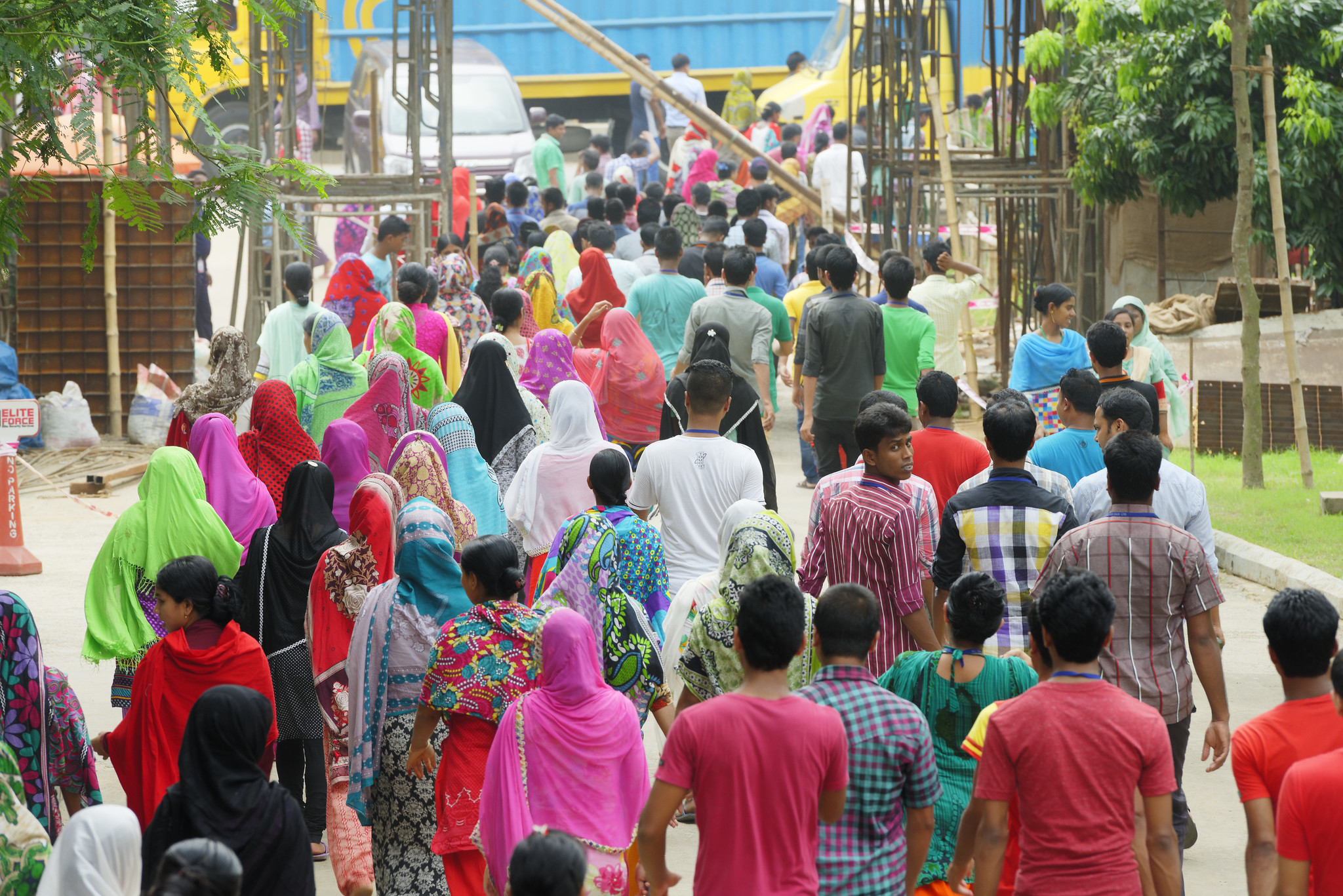
Concise description of concepts and definitions, uses, sources and limitations for labour force statistics in various databases (LFS, STLFS, RURBAN).
Youth Labour Market Statistics (YouthSTATS database)
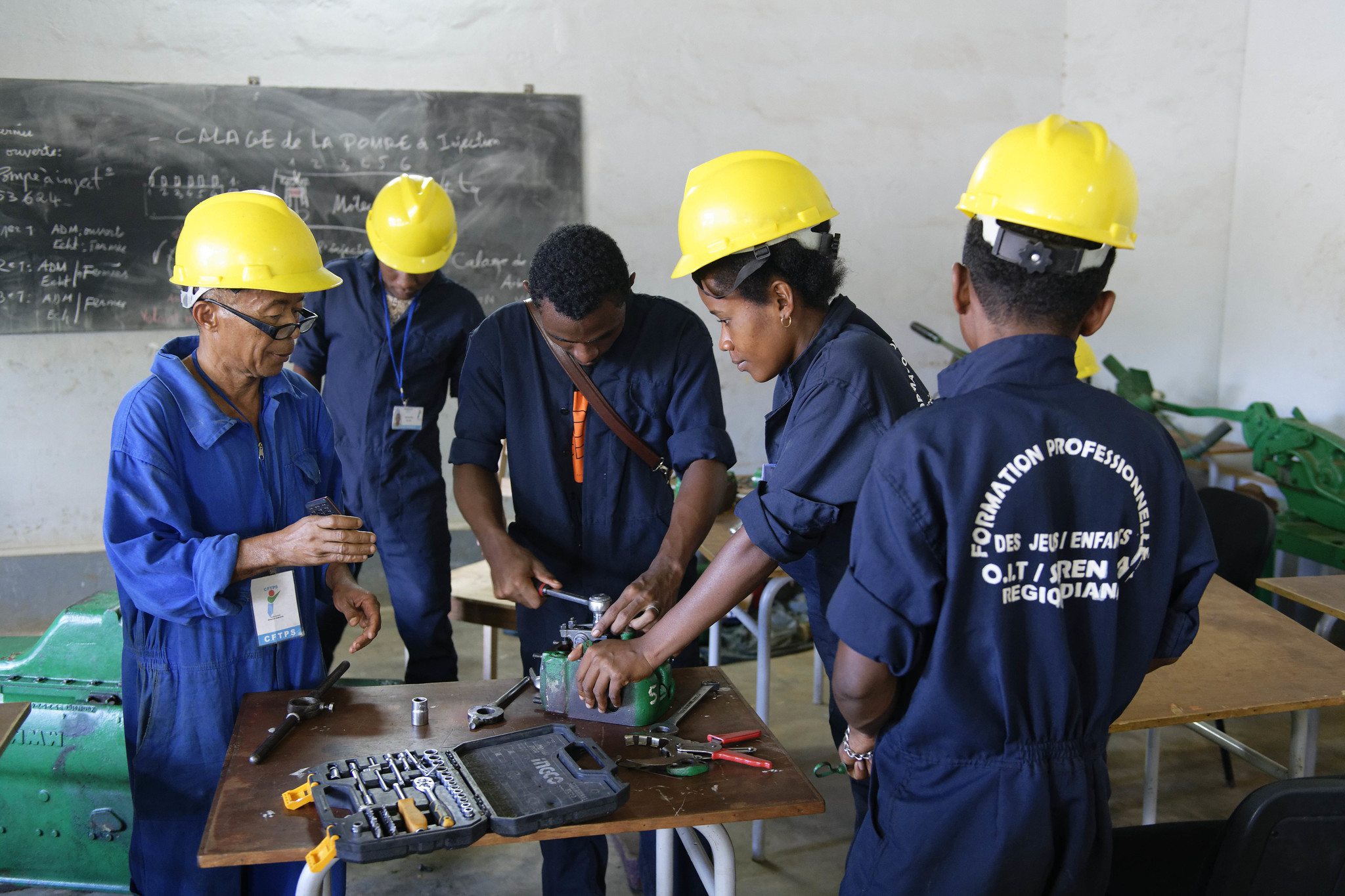
Concise description of concepts and definitions, uses, sources and limitations for labour force statistics focused on youth.