
Assessing the current state of the global labour market: implications for achieving the Global Goals

The Sustainable Development Goals (SDGs) are a set of 17 global goals to end poverty, protect the planet, and ensure prosperity for all. But with the COVID-19 pandemic upending the global labour market in recent years, progress towards achieving these goals has been disrupted. From rising unemployment and informal work to slowing productivity growth and persistent gender inequalities, the pandemic has highlighted the need for urgent action to build a more resilient and equitable world of work.
Global Wage Report 2022-23: The impact of inflation and COVID-19 on wages and purchasing power

This ILO flagship report examines the evolution of real wages, giving a unique picture of wage trends globally and by region.
COVID-19 and the Sustainable Development Goals: reversing progress towards decent work for all
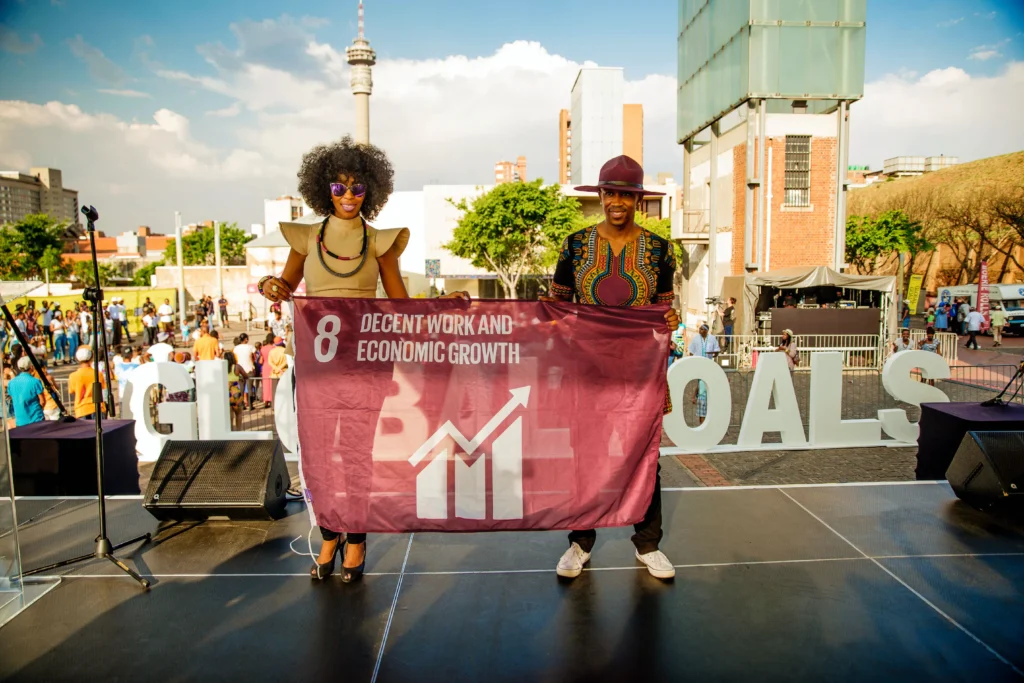
The pandemic wreaked havoc on people’s lives and societies, but how far did it set the global community back in reaching the SDG targets related to decent work and economic growth?
Over 2 million moms left the labour force in 2020 according to new global estimates
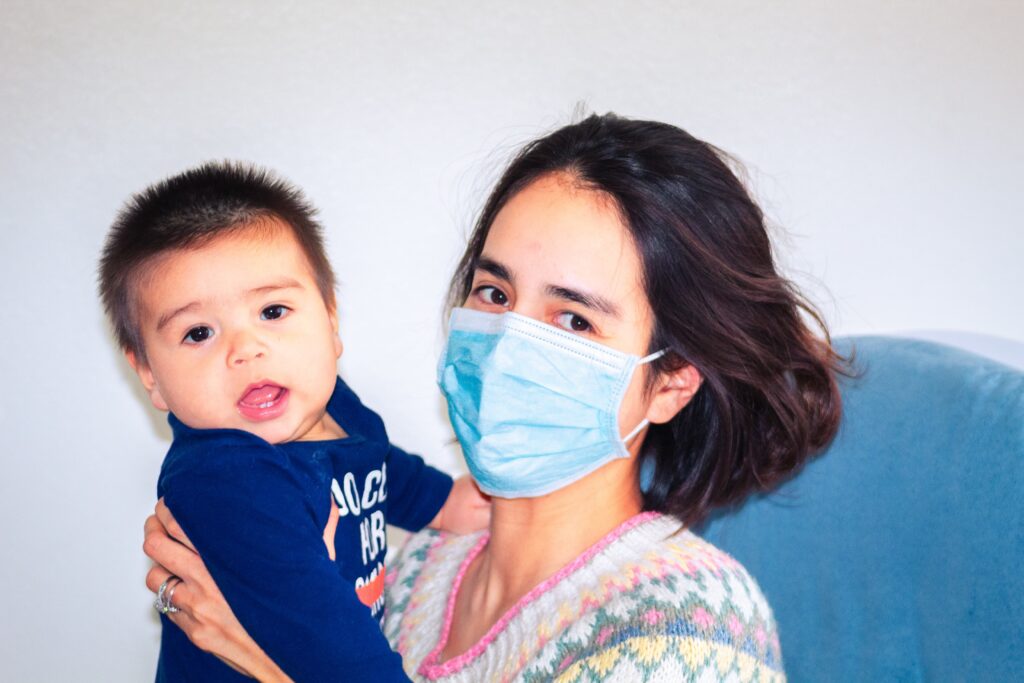
Released today, new global data covering 189 countries and territories expose the motherhood penalty faced by millions of women around the world in the midst of the COVID-19 pandemic.
Why would labour productivity surge during a pandemic?
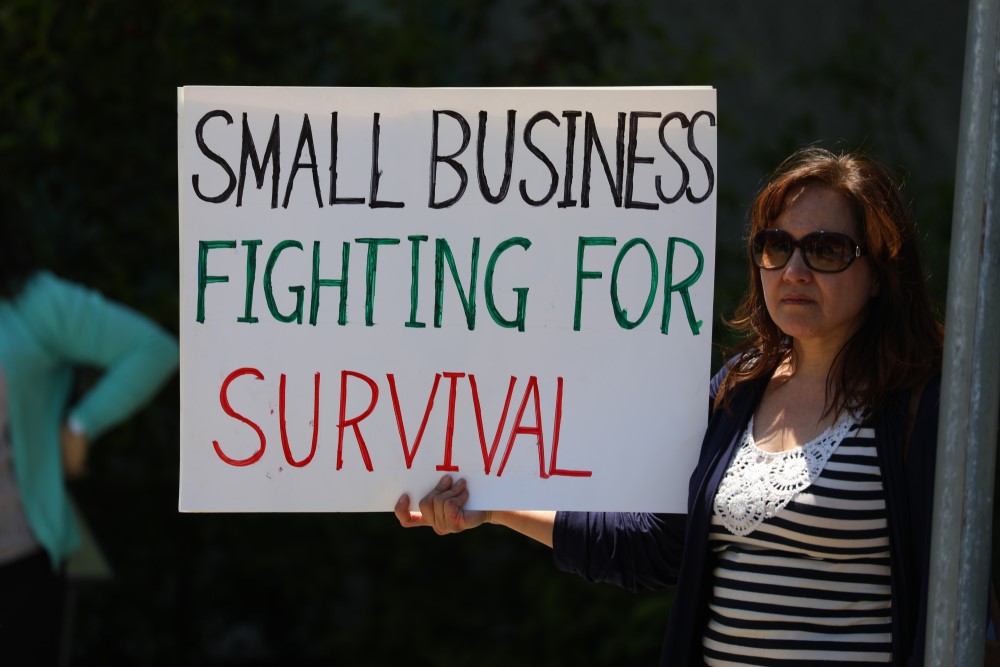
Labour productivity growth is generally associated with higher wages and better working conditions. In the longer term, increased productivity is key to economic development. But how should we interpret productivity trends during a pandemic? Does faster productivity growth mean that firms and workers are actually better off?
Global review of impacts of the COVID-19 pandemic on labour force surveys and dissemination of labour market statistics

In March 2021, the ILO undertook a global survey of national data producers to understand the impacts of the pandemic on their statistical operations particularly in the domain of labour statistics.
Keeping labour data flowing during the COVID-19 pandemic
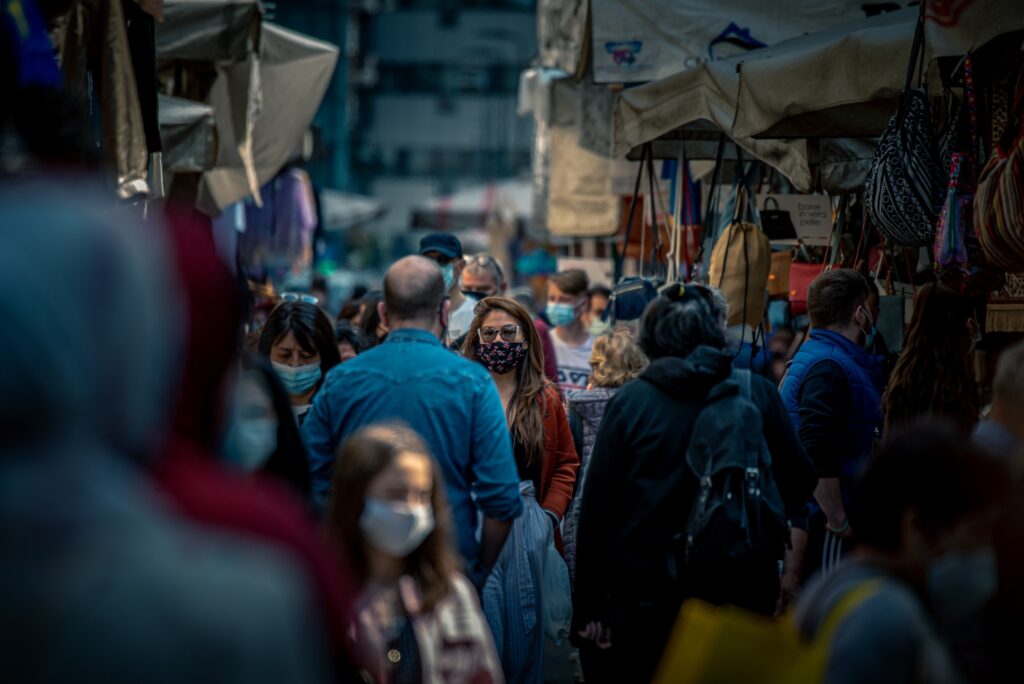
Losing the ability to collect data may not be one of the more obvious negative effects of the COVID-19 pandemic. However, nearly all countries in the world found it difficult to gather data precisely when demand was highest. A recent global survey by the ILO has highlighted just how great the impact was on the production of labour statistics and how countries responded to meet user needs for data.
Building Forward Fairer: Women’s rights to work and at work at the core of the COVID-19 recovery

This policy brief provides an outlook of where women stand in the labour market after more than a year into the COVID-19 pandemic.
How women are being left behind in the quest for decent work for all

The United Nations’ Sustainable Development Goals set out a shared vision to end poverty, fight inequality and injustice, and tackle climate change by 2030. Will the pandemic reverse progress in advancing decent work for all as prescribed under Goal 8? It seems likely, at least for women.
Strengthening gender measures and data in the COVID-19 era: An urgent need for change
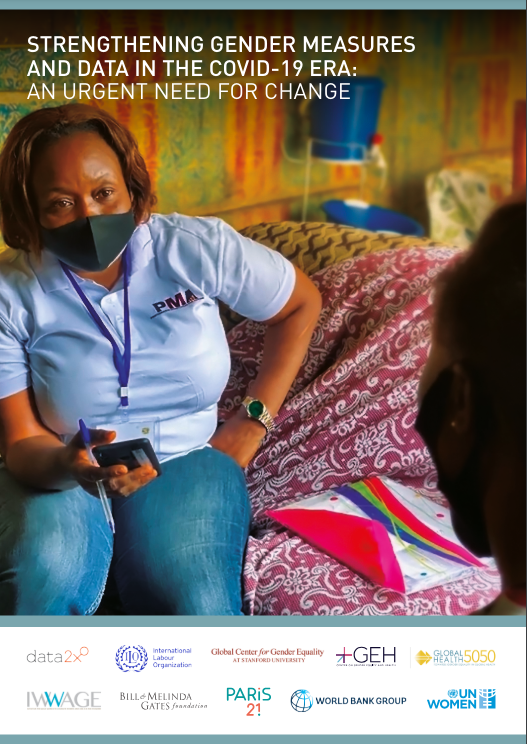
This brief highlights 5 key areas where strong and decisive action is required to achieve sustainable improvement in the availability of key gender data, including in the world of work.