
How women are being left behind in the quest for decent work for all

The United Nations’ Sustainable Development Goals set out a shared vision to end poverty, fight inequality and injustice, and tackle climate change by 2030. Will the pandemic reverse progress in advancing decent work for all as prescribed under Goal 8? It seems likely, at least for women.
100 statistics on the ILO and the labour market to celebrate the ILO centenary
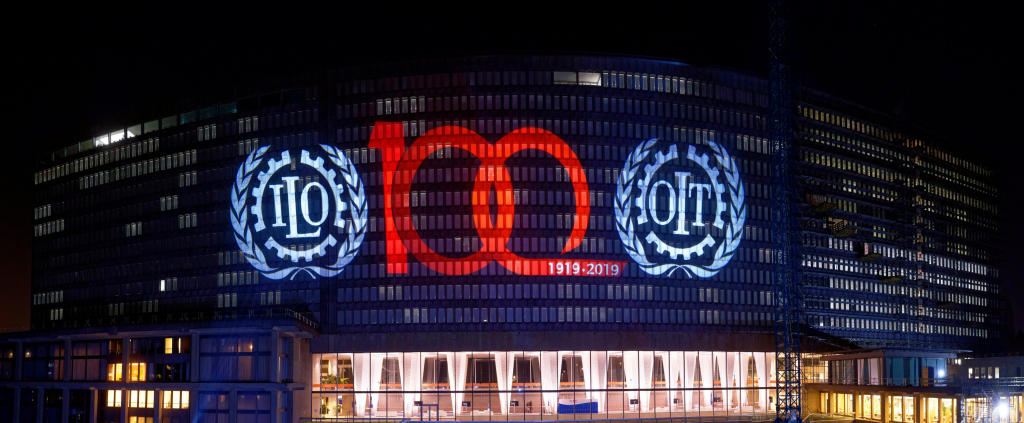
100 years of the ILO also means 100 years of ILO’s labour statistics to support the work of countries and organizations around the world in improving labour markets, and of course, to inform its own work. Celebrating the ILO centenary is also celebrating progress in labour statistics.
Decent work and the SDGs: 11 charts that tell the story
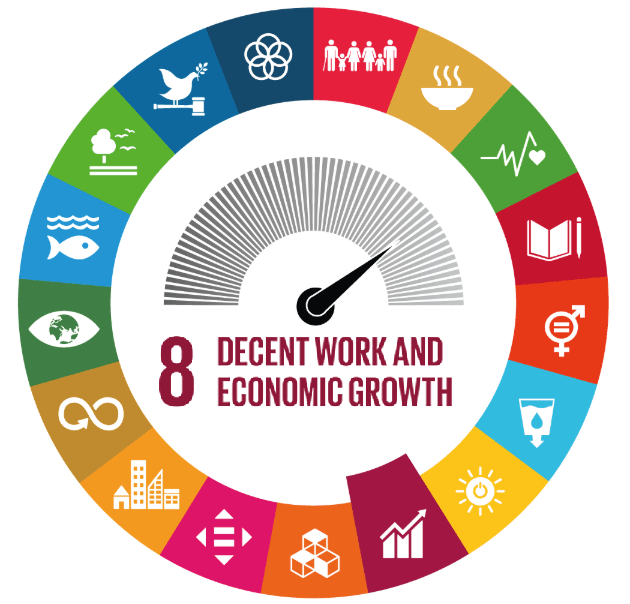
This visual essay provides an overview of the progress made towards decent work in the context of the 2030 Agenda for Sustainable Development.
Statistics on the informal economy
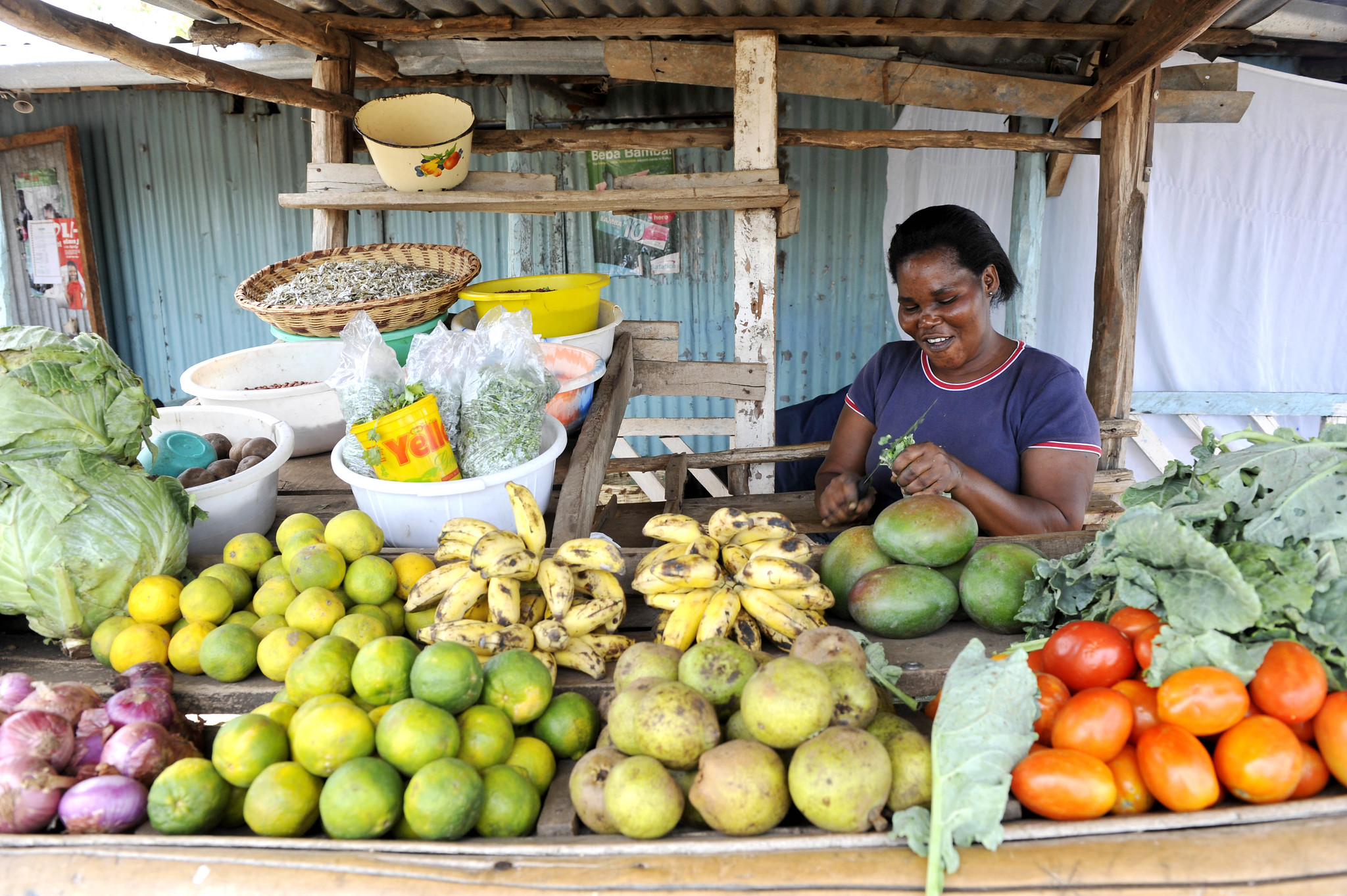
This topic page on the informal economy provides access to statistical information including data, methods, publications and more.
Paid employment vs vulnerable employment
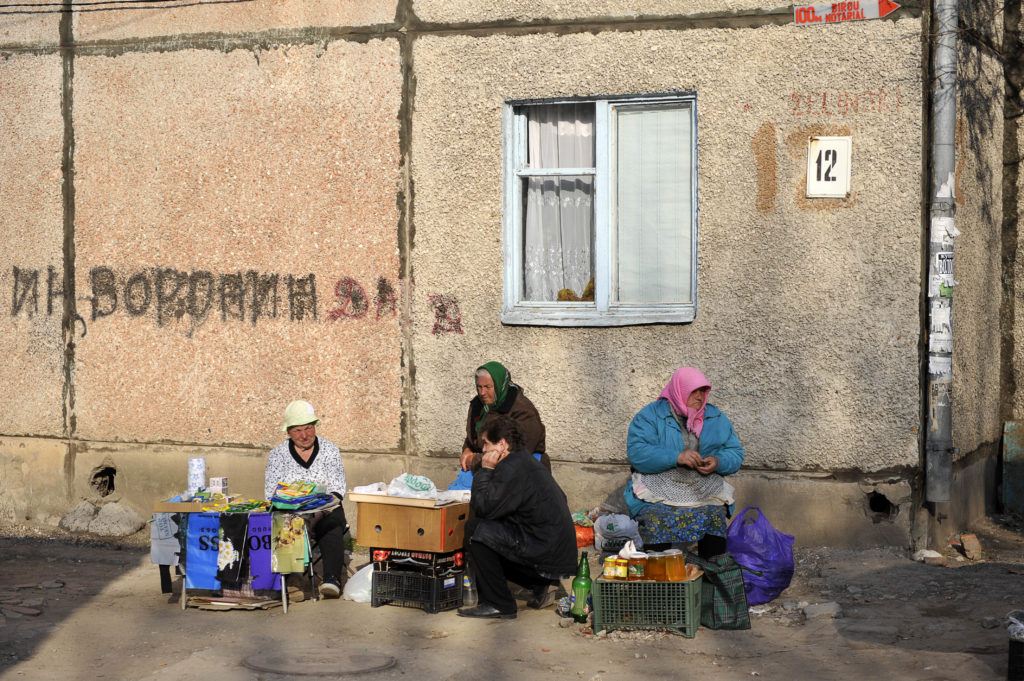
Find out the latest trends in employment by status category and how paid employment compares to vulnerable employment around the world in Paid employment vs vulnerable employment, the third issue of our new series Spotlight on work statistics.
Measuring informality: A statistical manual on the informal sector and informal employment

This manual is intended for national statistical offices and other producers of statistics planning programmes to produce statistics on the informal sector and informal employment. The manual provides technical guidance on implementing international standards, presenting alternative measurement methodologies along with examples based on national experience, and includes guidelines for the dissemination of statistics on the informal sector and informal employment.
Guidelines concerning a statistical definition of informal employment
Measuring the non-observed economy. A handbook

The main focus of the Handbook is to provide guidance on how to produce exhaustive estimates of GDP. This means ensuring that as many productive activities as possible are observed, i.e., directly measured in the basic data on production, incomes, and expenditures from which the national accounts are compiled. It also means ensuring that non-observed activities are nevertheless accounted for, i.e., indirectly measured during compilation of the national accounts.
Resolution concerning statistics of employment in the informal sector
Adopted by the 15th ICLS (1993), this resolution provides technical guidelines as a basis for the development of suitable definitions and classifications of informal sector activities and the design of appropriate data collection methods and programmes, in the hopes such standards will enhance the international comparability of statistics.