
The complex link between education and labour underutilization

On World Youth Skills Day, we explore the hardships of university graduates to find decent jobs around the world.
Digital progress without inclusion leaves workers behind

On World Telecommunication & Information Society Day, we celebrate the progress made in extending access to key digital resources, while also recognizing the risks and challenges of digitalization, particularly in the world of work.
Measuring skills mismatches

23 March–17 April 2026
Online (ITC E-Campus)
The course is designed to enhance capacities to identify, collect, analyse and disseminate labour market information related to skills imbalances from both the demand supply side.
Insights into youth participation in work-based learning
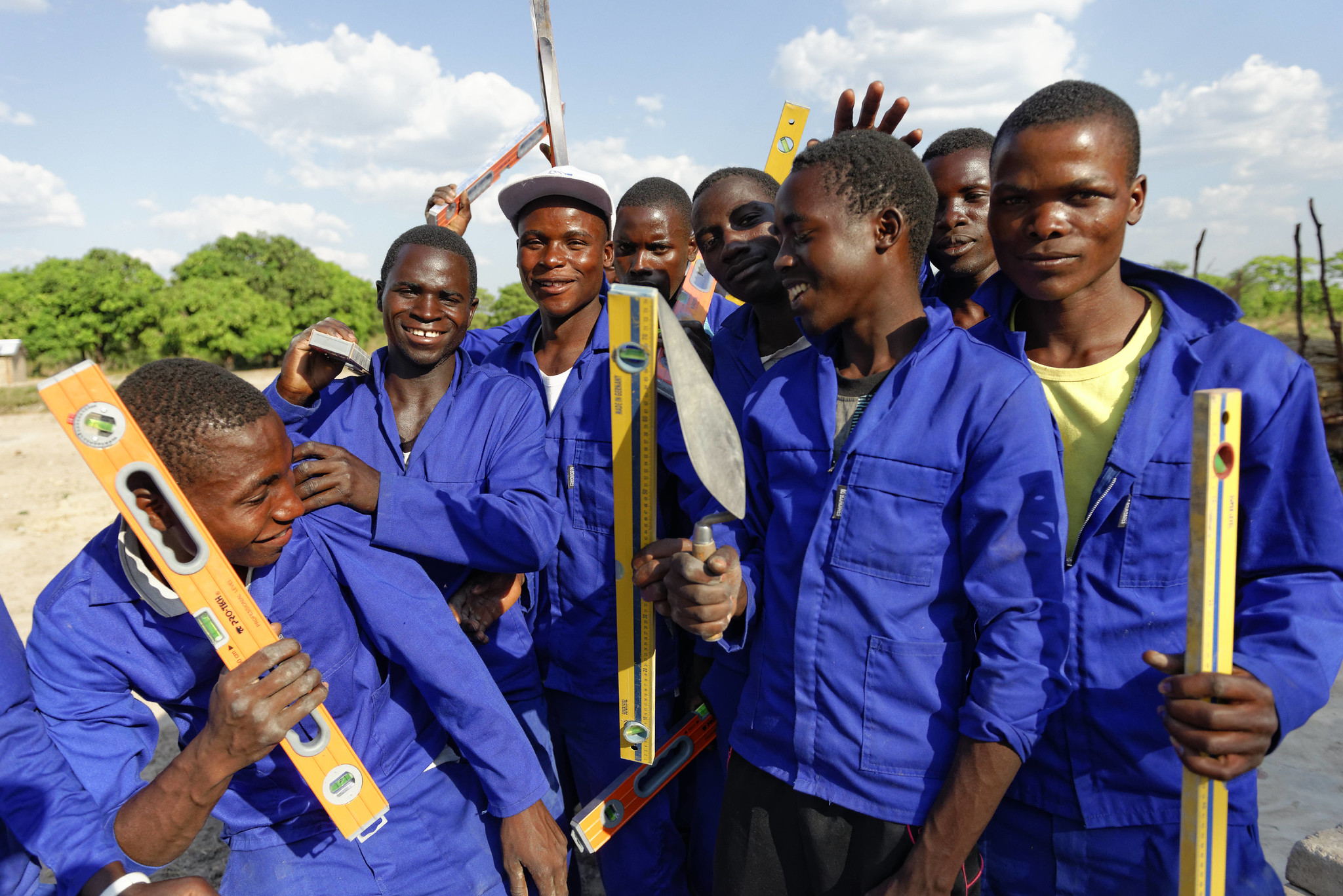
The ILO has released new indicators on work-based learning (WBL) and vocational education, offering statistical insights into youth participation in various forms of WBL including apprenticeships.
ILO topic page on skills and lifelong learning
Youth skills: tackling challenges and seizing opportunities for a brighter future of work
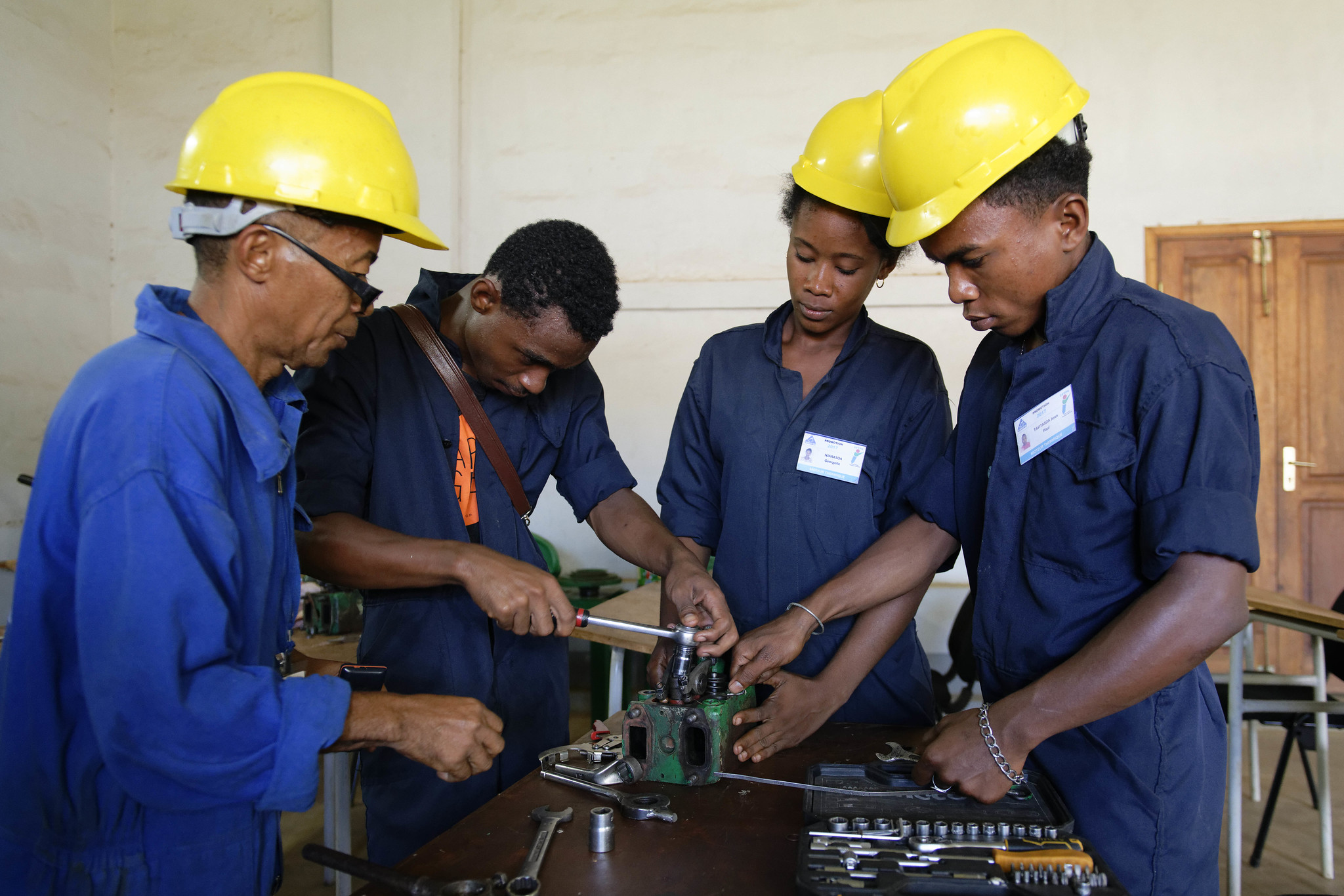
Leveraging the ILO’s microdata, an analysis of global labour market and occupational trends highlights strategies to strengthen skills development and boost the competitiveness, agility, and resilience of youth.
Only half of workers worldwide hold jobs corresponding to their level of education

Over the years, considerable effort has been invested in improving the educational attainment of people worldwide, especially as part of the implementation of the Millennium Development Goals and the Sustainable Development Goals. However, the enormous progress achieved in raising levels of education, especially among women and girls, has not translated into corresponding improvements in labour market outcomes.
Education pays off, but you have to be patient

The pandemic is making us rethink and re-organize education. Workers with higher educational attainment may expect to be able to find a job (and a quality job, for that matter) as soon as they become available. But is that so?
258 million workers in the world are over-educated for their jobs

More than 935 million workers in the world have jobs that don’t match their educational level: 72% of them (677 million) are under-educated for their jobs, while the remaining 28% (258 million) are over-educated. This new data in ILOSTAT covers 114 countries, which means that the actual global figures are probably much higher.
These are the countries with the most teachers

Worldwide, there is large variation across countries in the number of teachers relative to the population. At one extreme, Iceland has 45 teachers for every 1,000 people. At the other extreme, the United Republic of Tanzania has only 2 for every 1,000 people.