
COVID-19 and the Sustainable Development Goals: reversing progress towards decent work for all
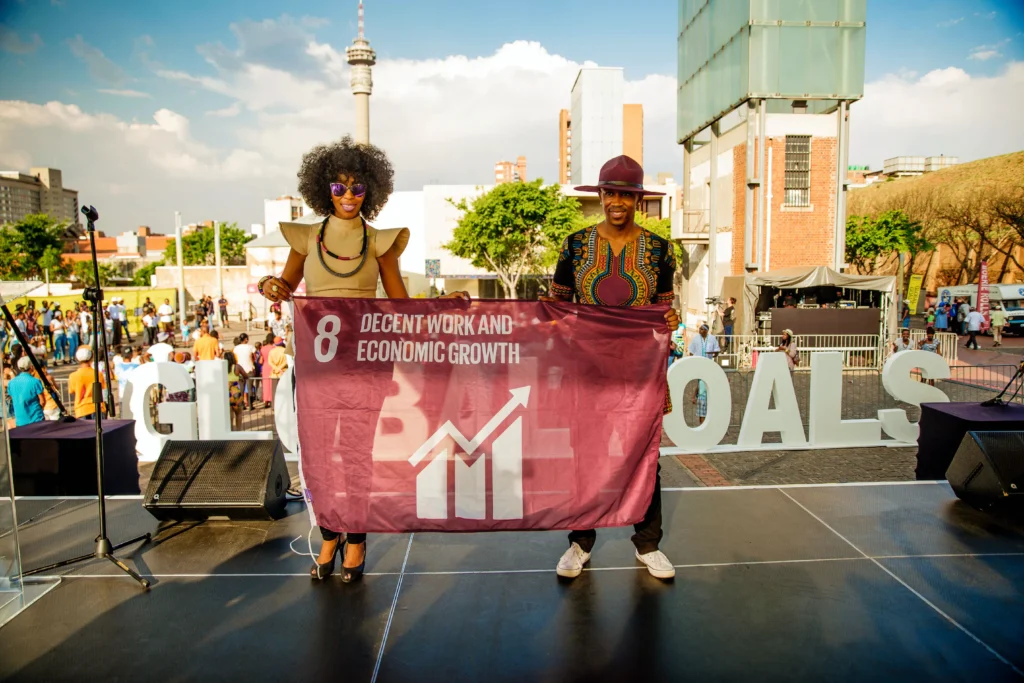
The pandemic wreaked havoc on people’s lives and societies, but how far did it set the global community back in reaching the SDG targets related to decent work and economic growth?
Volunteer work and its links to the labour market experiences of young people
This paper looks at how volunteering can benefit young people at the start of their careers. It uses existing literature and undertakes further longitudinal analysis, including on the effects of volunteering on young people as they seek to access good jobs.
International Day of Rural Women: the unfinished quest for decent work for all
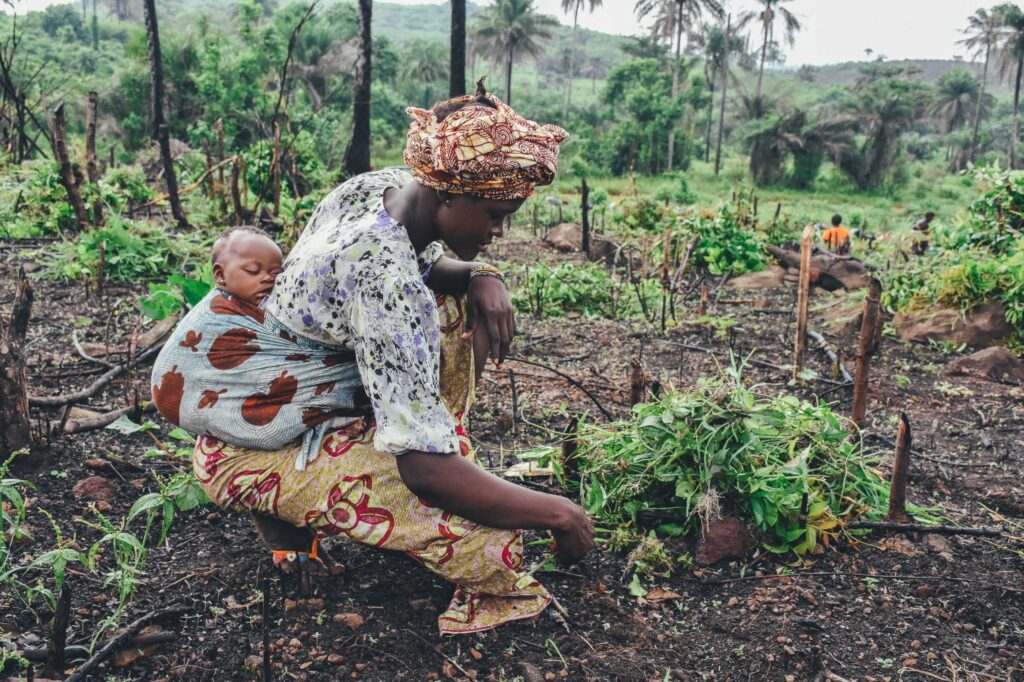
Challenges to decent work are different in rural and urban areas, but women in rural areas face additional hurdles to access decent work. Higher labour force participation in rural areas in the developing world and widespread decent work deficits of rural jobs reveal the need to promote healthy rural labour markets for everyone.
Education pays off, but you have to be patient

The pandemic is making us rethink and re-organize education. Workers with higher educational attainment may expect to be able to find a job (and a quality job, for that matter) as soon as they become available. But is that so?
Transition from school to work remains a difficult process for youth
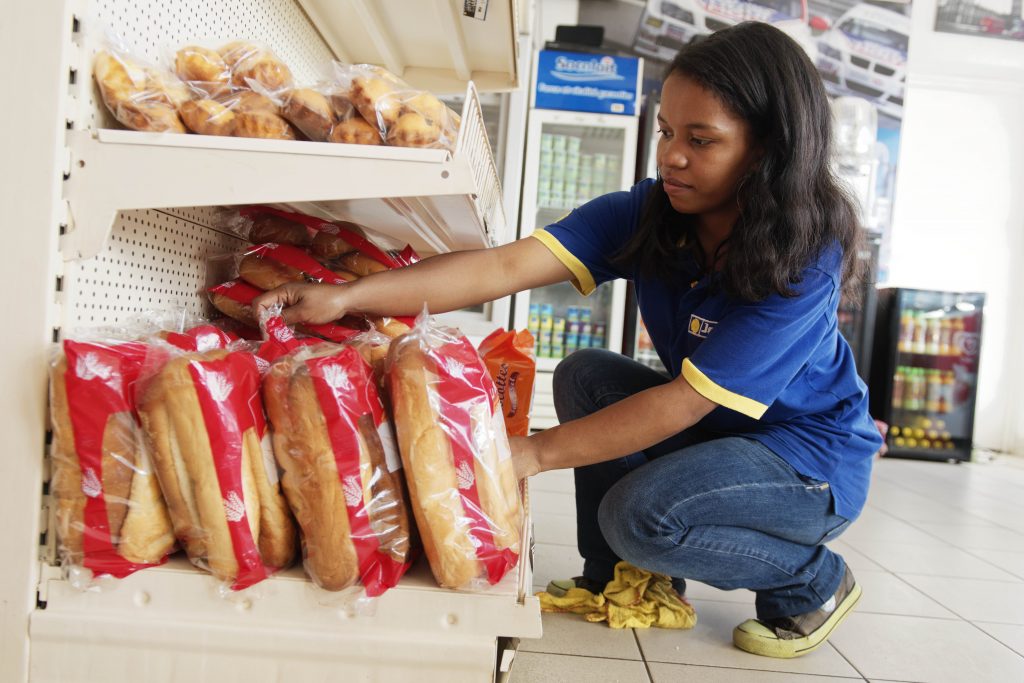
The ease or difficulty with which young people are able to transition from school to work has a lasting impact on their lives and labour market prospects. New indicators in the ILOSTAT database provide insights on youth transitions into the workforce.
Young people are far more likely to be in working poverty

When is a job not enough?
Not in employment, education or training: the reality for many young rural women
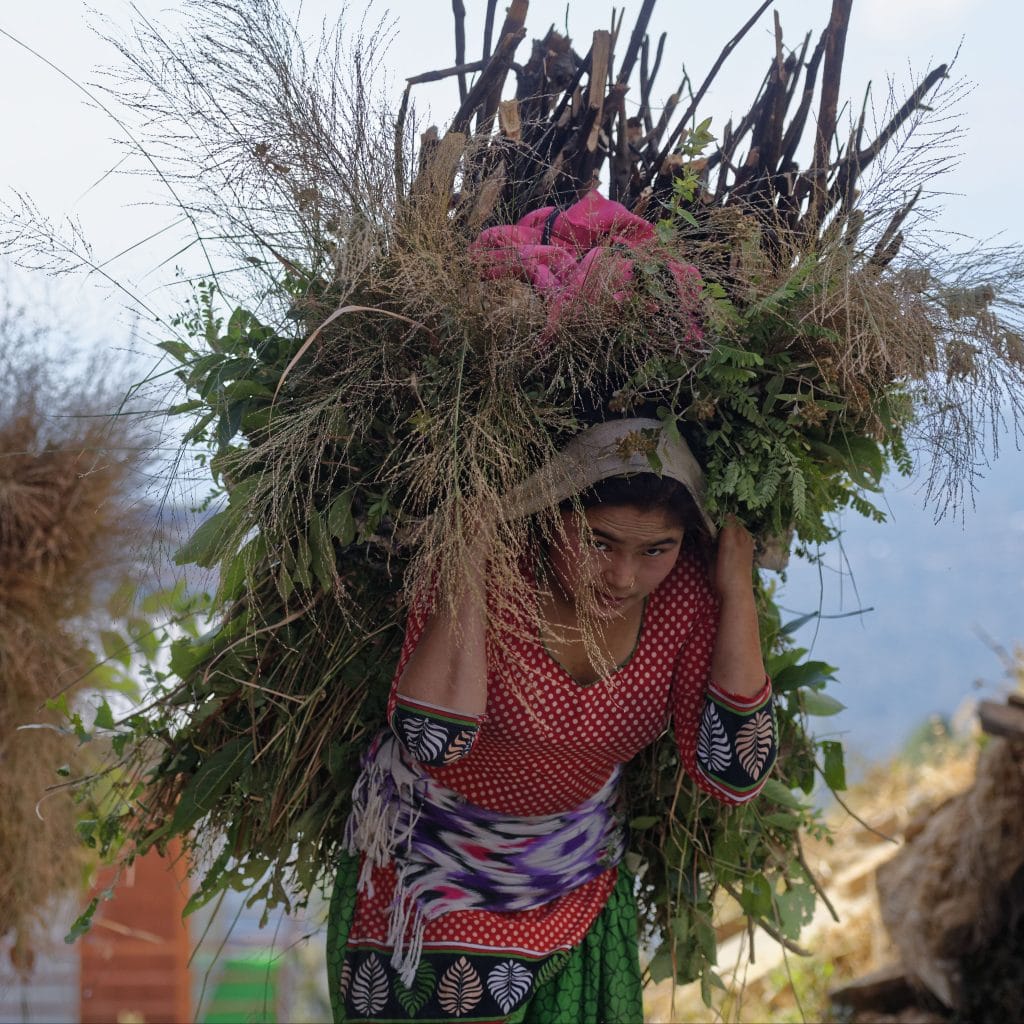
If you’re a young woman living in a rural area, you’re more likely to be out of employment and not in education and training.
From school to work: An analysis of youth labour market transitions

This brief presents an analysis of youth labour market outcomes, with a particular focus on two new school-to-work transition indicators published on ILOSTAT. It first introduces the new indicators. It then analyses the distribution of youth by stages of transition across a set of 60 countries for which the ILO has derived indicators from national labour force survey microdatasets.
Statistics on youth
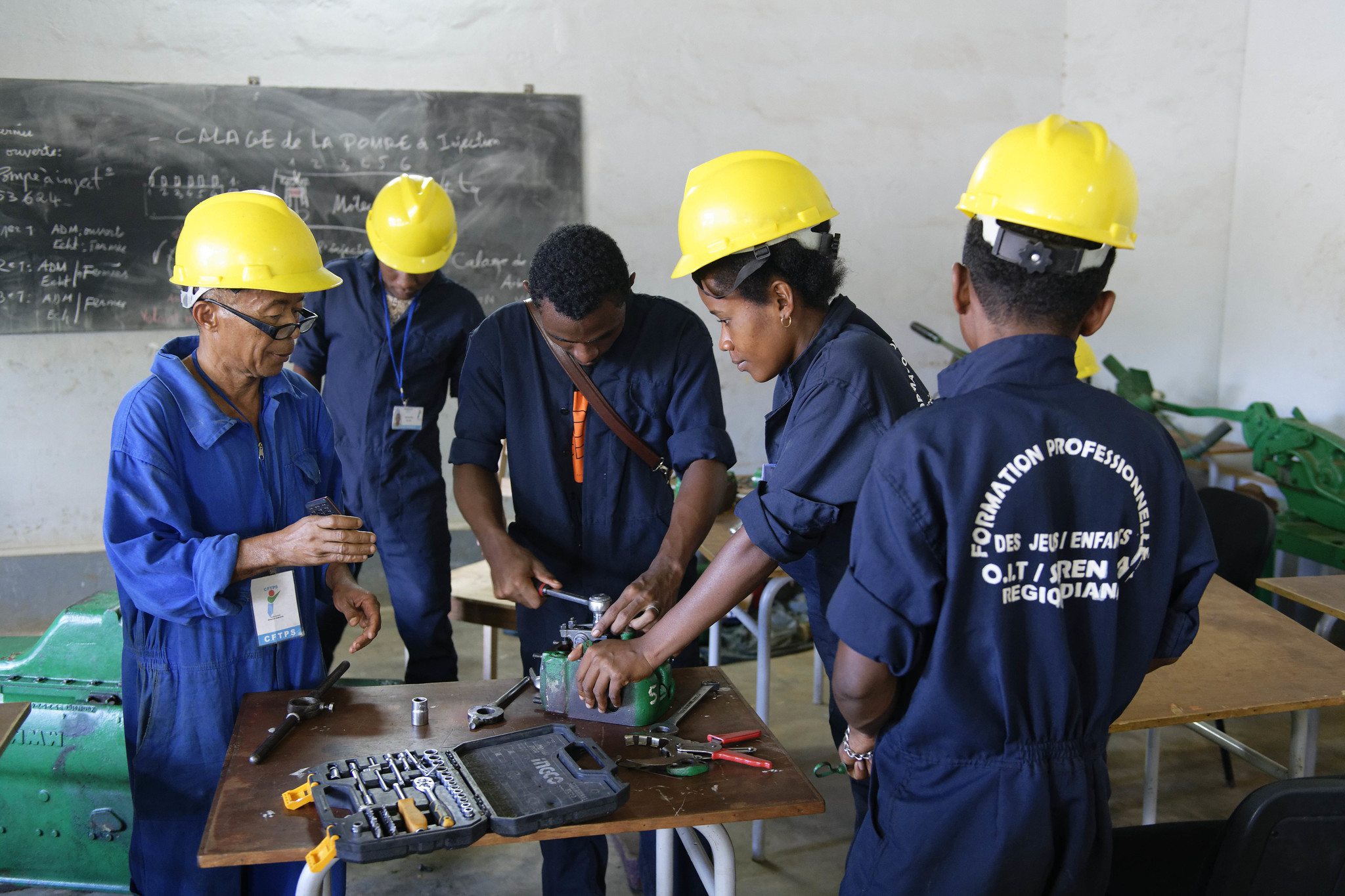
This topic page on youth labour statistics provides access to statistical information including data, methods, and publications.
Labour market access – a persistent challenge for youth around the world

The fifth issue of our series Spotlight on work statistics uses the first ever global estimates of youth not in employment, education or training along with other youth labour market indicators to explore the situation of youth in labour markets around the world, and unveil the additional challenges they face.