
Dataviz: Global Employment Trends for Youth 2026
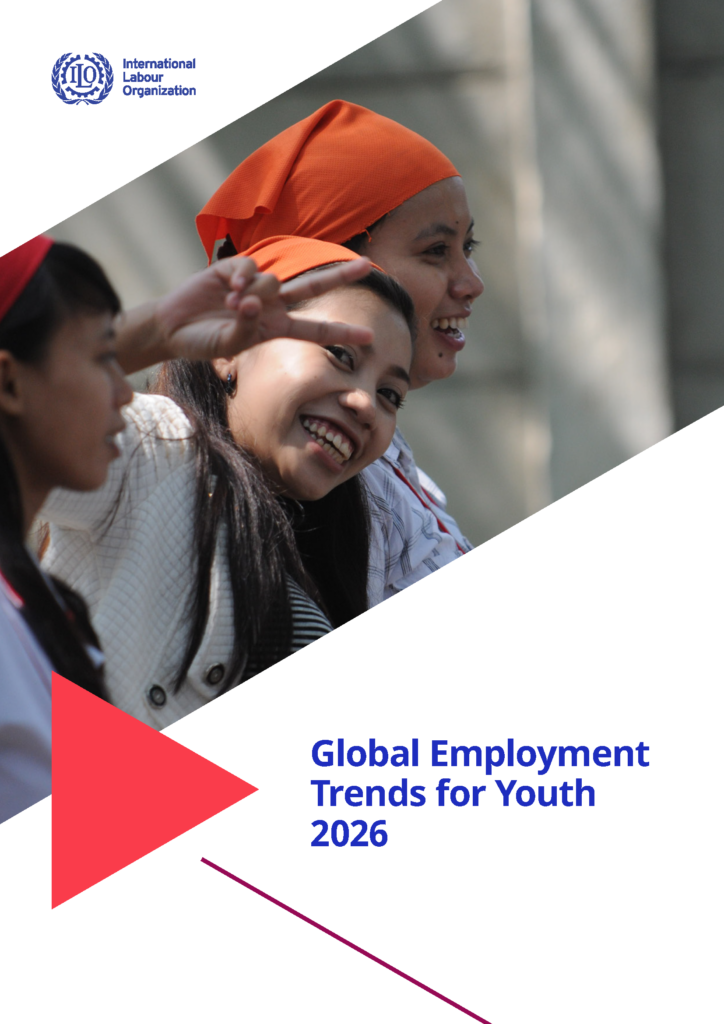
The GET for Youth report’s dataviz presents global, regional and national data on youth labour markets, drawing on ILO modelled estimates at the global and regional levels for youth aged 15–24 and country-reported statistics for youth aged 15–29.
Global Employment Trends for Youth 2026
This report examines recent developments in youth labour markets worldwide and provides the latest global and regional analysis of youth employment trends and prospects.
Inside West Africa’s youth labour market: Informality, inequality and missed opportunities
Young people in West African Economic and Monetary Union countries face persistent barriers to decent work, with widespread informality and deep inequalities limiting labour market opportunities.
Empowering Africa’s youth: the need for more vocational training and on-the-job learning
Expanding access to technical and vocational education, coupled with work-based learning, is crucial to building a more resilient and adaptable workforce among Africa’s youngest workers.
How the latest statistical standards improve knowledge about rural women’s work

Latest statistical standards improve our knowledge of the challenges and decent work deficits that women in rural areas face. Such knowledge is key to formulating effective policies that foster the women’s potential for growth and development.
World Employment and Social Outlook: September 2024 Update

This brief focuses on the evolving relationship between labour and capital income, challenges facing youth in the current job market, and progress towards key SDGs as 2030 approaches.
How population trends shape our workforce

Ahead of this World Population Day (July 11), the ILO explores how population trends are transforming labour markets around the globe.
UN Global SDG Indicators Database
Mastercard Foundation
African youth face pressing challenges in the transition from school to work

More than 72 million youth in Africa are not in education, employment or training – the majority of them young women. Tackling youth inactivity and gender inequalities is essential if countries are to achieve Sustainable Development Goal 8 on decent work for all by 2030.