
Technical working groups
Technical Working Groups (TWGs) support the development and implementation of international statistical standards. This page presents the active TWGs and their main work.
What labour income reveals about gender inequalities at work
By capturing pay gaps, working time and other factors, total labour income data is essential to understanding the magnitude and underlying causes of gender inequalities.
The world’s gateway to labour statistics: ILO joins UN Data platform

ILO data on labour and the world of work is now part of a new global platform that is accessible to the UN and the world at large.
How labour data can help us advance sustainable development

Learn how ILO data informs policy, supports decision-making, and contributes to global development.
The plight of older workers in labour underutilization

The International Day of Older Persons gives us an opportunity to delve into the labour underutilization patterns of seniors. While their unemployment rates are generally rather low, they are hiding other more prevalent forms of labour underutilization including job-search discouragement.
High-level independent evaluation of the ILO strategies and approaches for the development and use of labour statistics, 2018-23

Elevate your labour statistics: Why Convention No. 160 is a must-ratify

Learn how the ratification of ILO Convention on labour statistics boosts national data systems and helps to shape policymaking that promotes decent work and social justice.
Strengthening labour statistics: Quick guide to C160 ratification and data reporting

This quick guide highlights the benefits of ratifying ILO Convention No. 160 on labour statistics and explains the ratification process as well as reporting obligations following ratification.
Lessons from the pandemic: building better gender data for the future
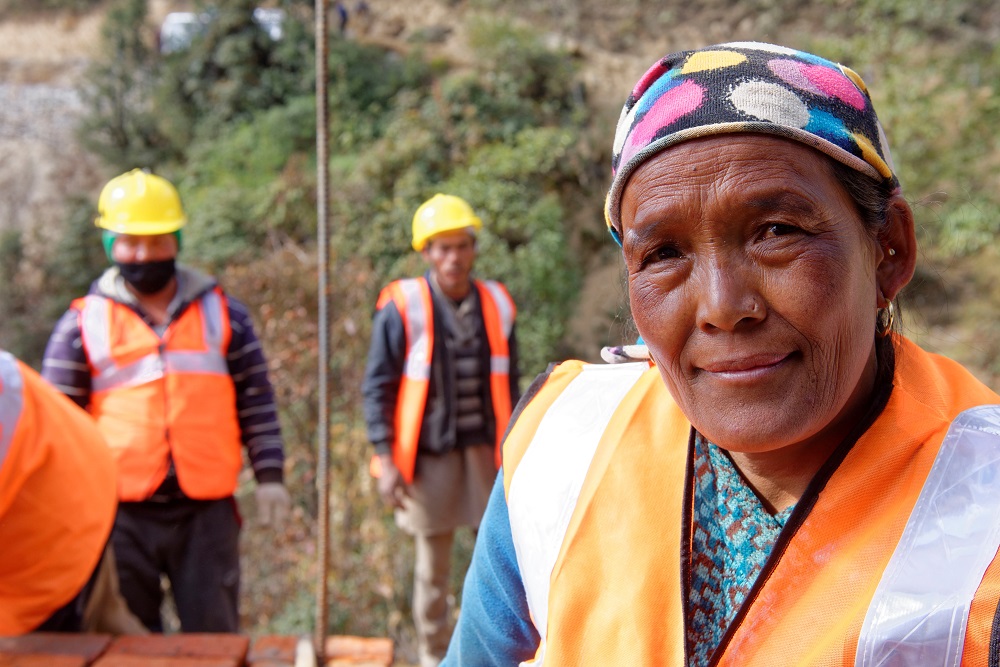
The COVID-19 pandemic has laid bare not only inequalities in the world of work, including between women and men, but it has also further emphasised the gender data gaps that hamper our understanding of the depth, nature and evolution of those inequalities.
Data collection and production

Discover the main methods to compile and produce ILOSTAT data: automated data collection, microdata processing and an annual questionnaire.