
Subsistence foodstuff producers: the importance of making their work visible

On World Food Safety Day, the ILO analyzes the work of subsistence foodstuff producers, as per improved international statistical standards.
How the latest statistical standards improve knowledge about rural women’s work

Latest statistical standards improve our knowledge of the challenges and decent work deficits that women in rural areas face. Such knowledge is key to formulating effective policies that foster the women’s potential for growth and development.
Contribution of the forest sector to total employment in national economies – Estimating the number of people employed in the forest sector

This study employs a new method to fill the gaps of missing data points in order to provide sound total employment estimates in the forest sector on a global scale.
Labour Force Statistics (LFS, STLFS, RURBAN databases)
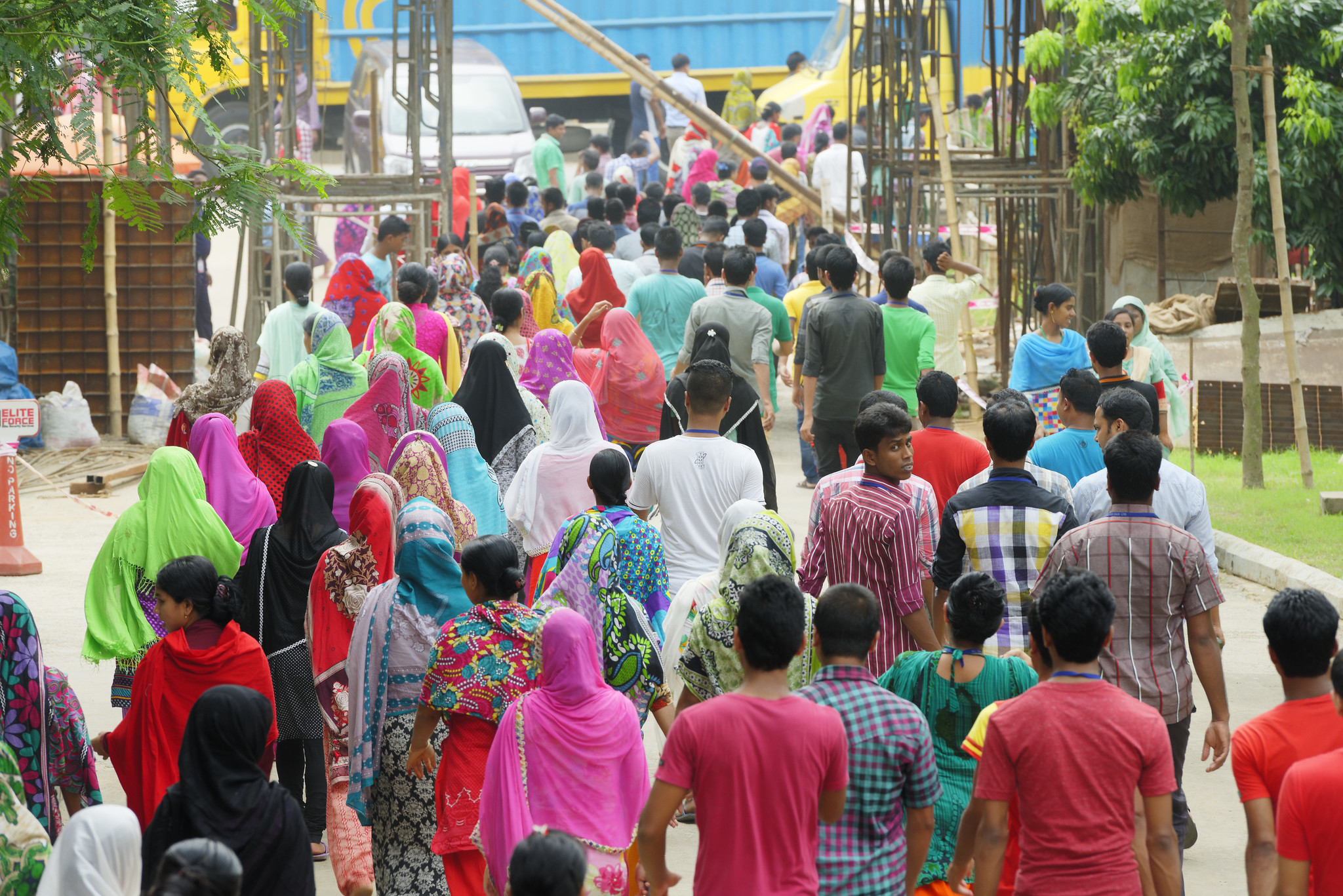
Concise description of concepts and definitions, uses, sources and limitations for labour force statistics in various databases (LFS, STLFS, RURBAN).
International Day of Rural Women: the unfinished quest for decent work for all
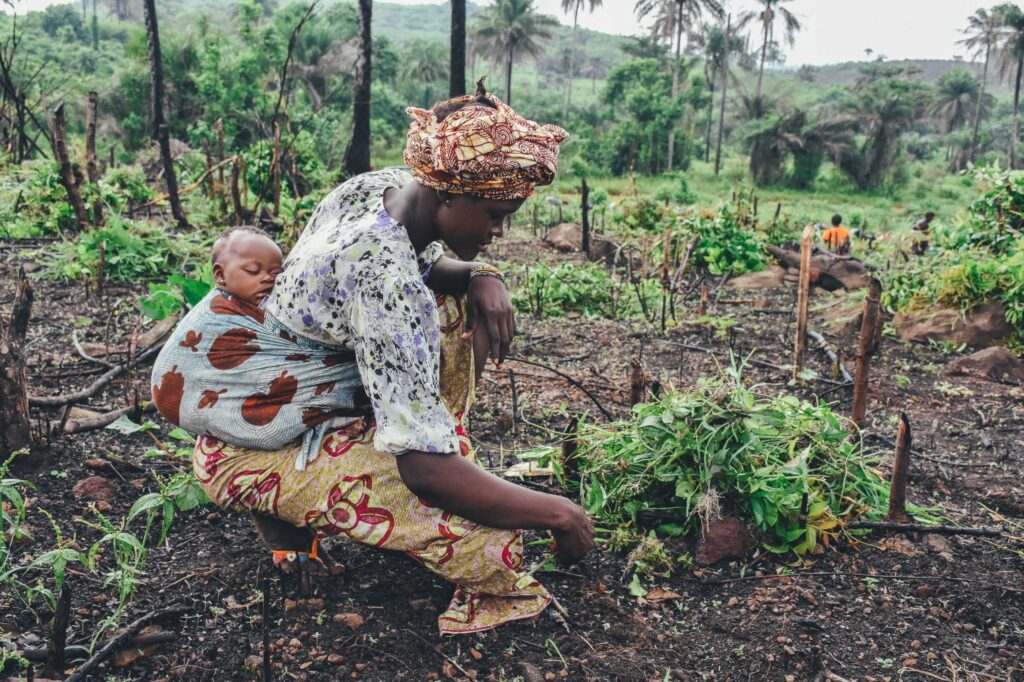
Challenges to decent work are different in rural and urban areas, but women in rural areas face additional hurdles to access decent work. Higher labour force participation in rural areas in the developing world and widespread decent work deficits of rural jobs reveal the need to promote healthy rural labour markets for everyone.
Rural and urban labour markets: Different challenges for promoting decent work

This issue of Spotlight on Work Statistics explores the rapid urbanization observed in the world and the accompanying shifts in employment from agriculture to non-agricultural activities. It sheds light on differences between rural and urban areas in labour force participation and labour underutilization (and especially unemployment). It also attempts to reveal differences in the quality of employment in rural and urban areas.
Not in employment, education or training: the reality for many young rural women
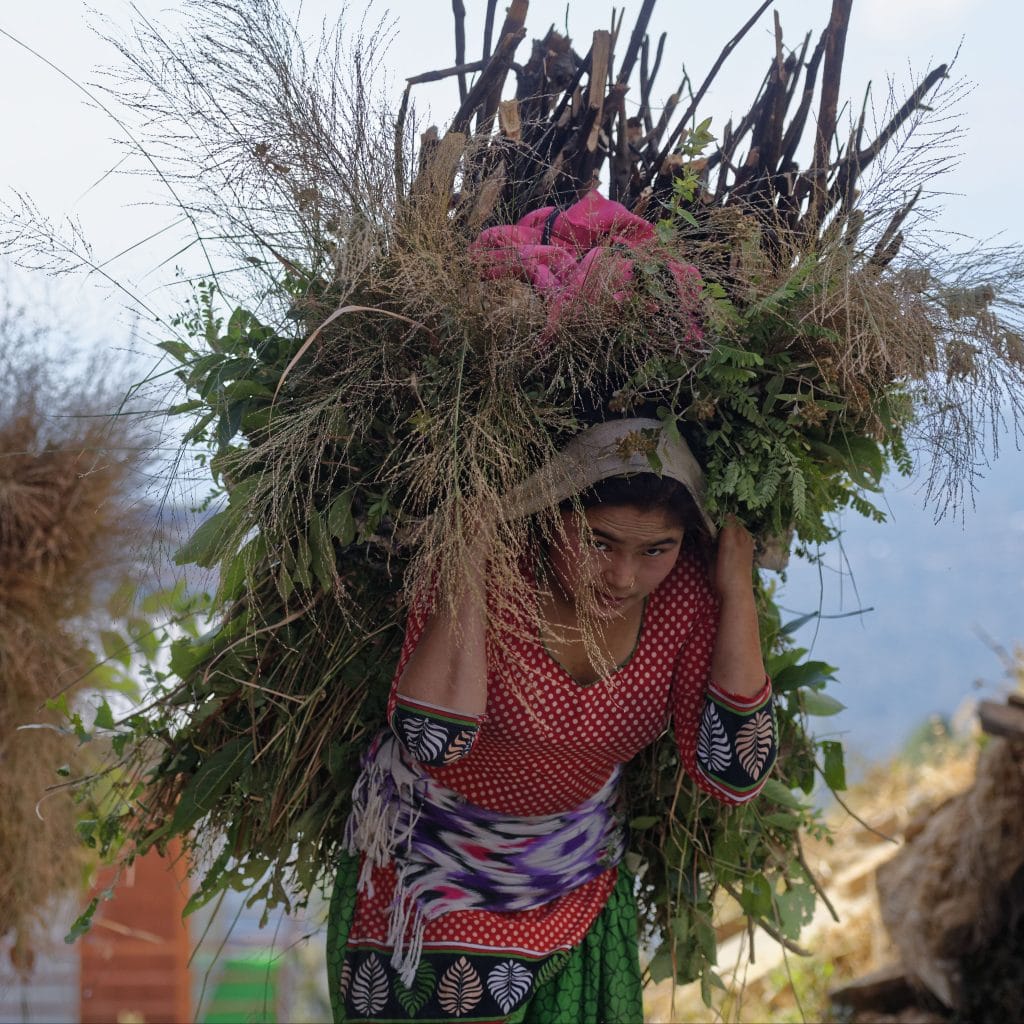
If you’re a young woman living in a rural area, you’re more likely to be out of employment and not in education and training.