
Work Statistics – 19th ICLS (WORK database)
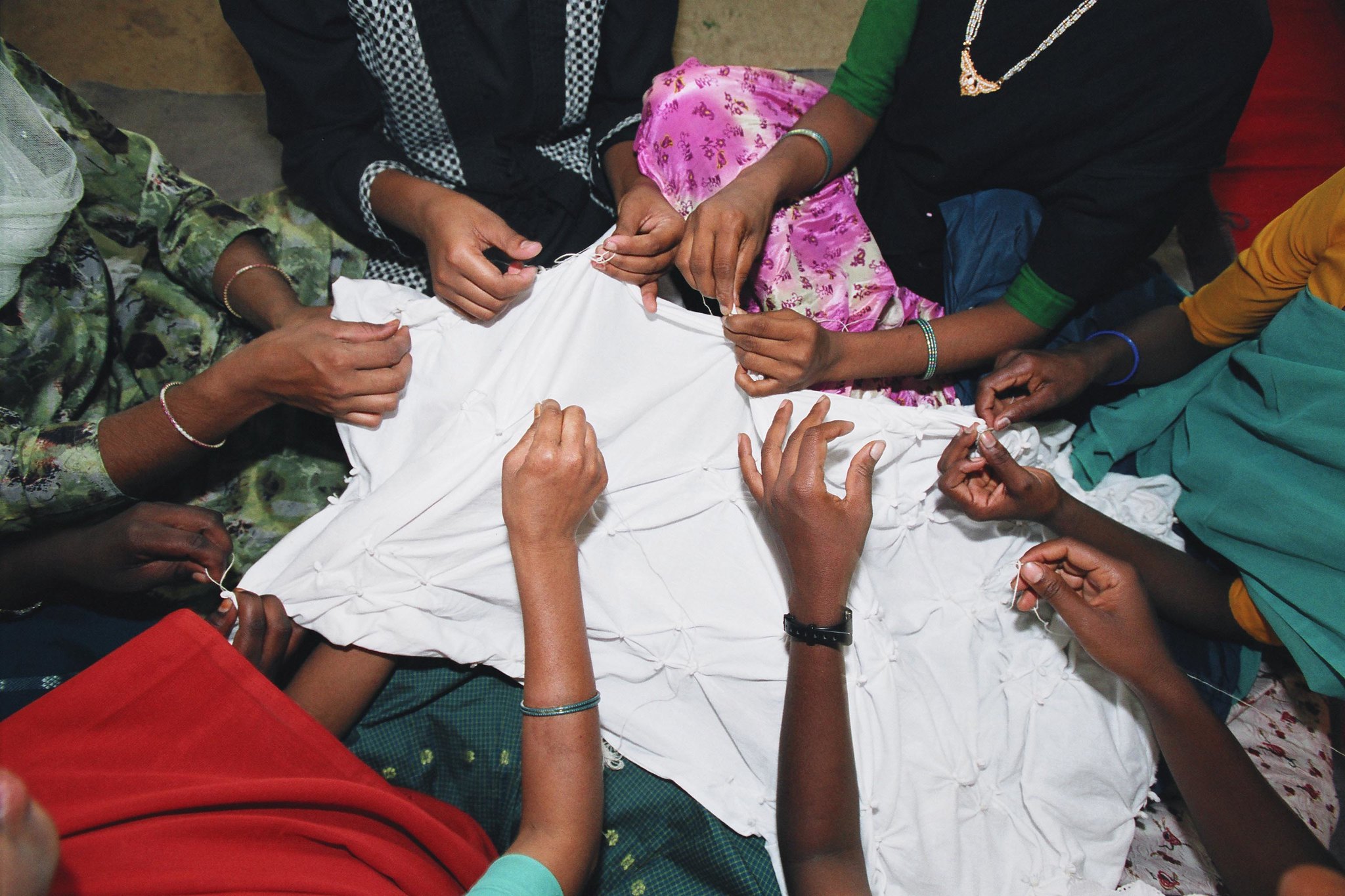
Concise description of concepts and definitions, uses, sources and limitations for (paid and unpaid) work statistics based on the 19th ICLS standards.
Over 2 million moms left the labour force in 2020 according to new global estimates

Released today, new global data covering 189 countries and territories expose the motherhood penalty faced by millions of women around the world in the midst of the COVID-19 pandemic.
Who are the women on the move? A portrait of female migrant workers
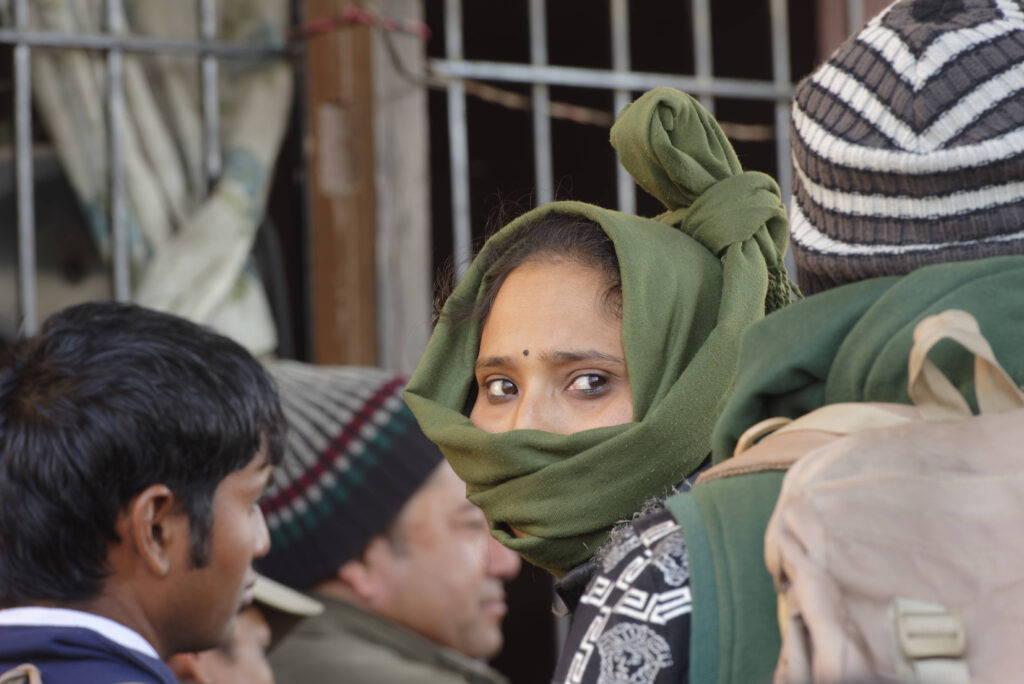
The international migration of women, either together with their family or on their own, is an increasingly important and complex phenomenon but remains insufficiently documented owing to a lack of data. New ILOSTAT data offer some insights on the profile of women looking for work and better opportunities abroad.
International Day of Persons with Disabilities: how disability affects labour market outcomes
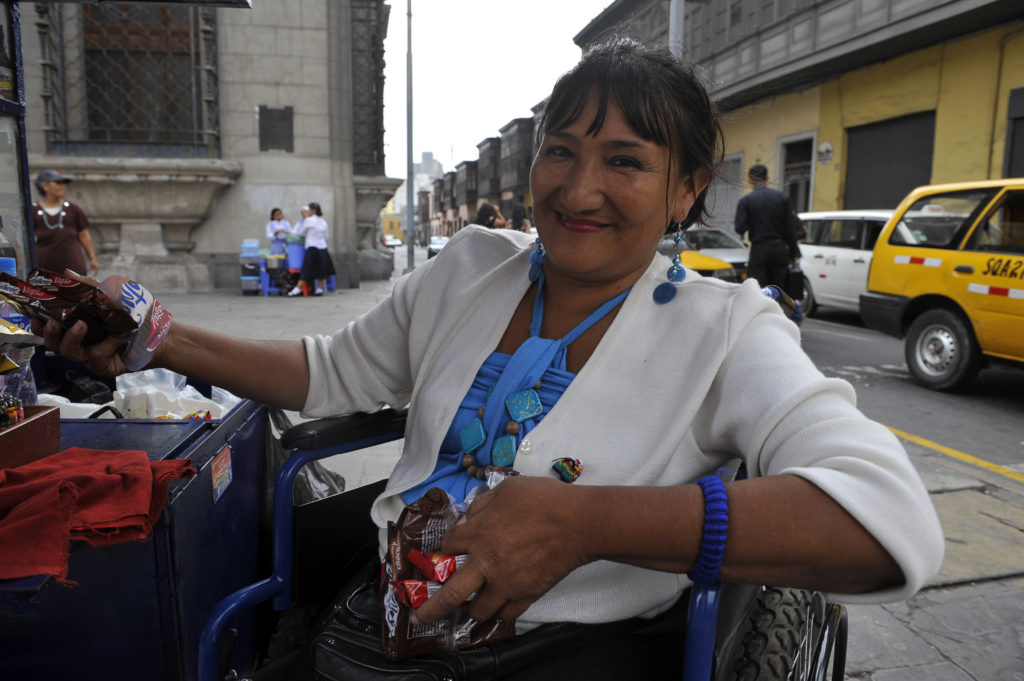
People with disabilities make up 15 per cent of the global population according to the World Report on Disability published by the World Health Organization and the World Bank in 2011. Yet, they are far from adequately represented in labour markets around the world.
Fallout of COVID-19: working moms are being squeezed out of the labour force
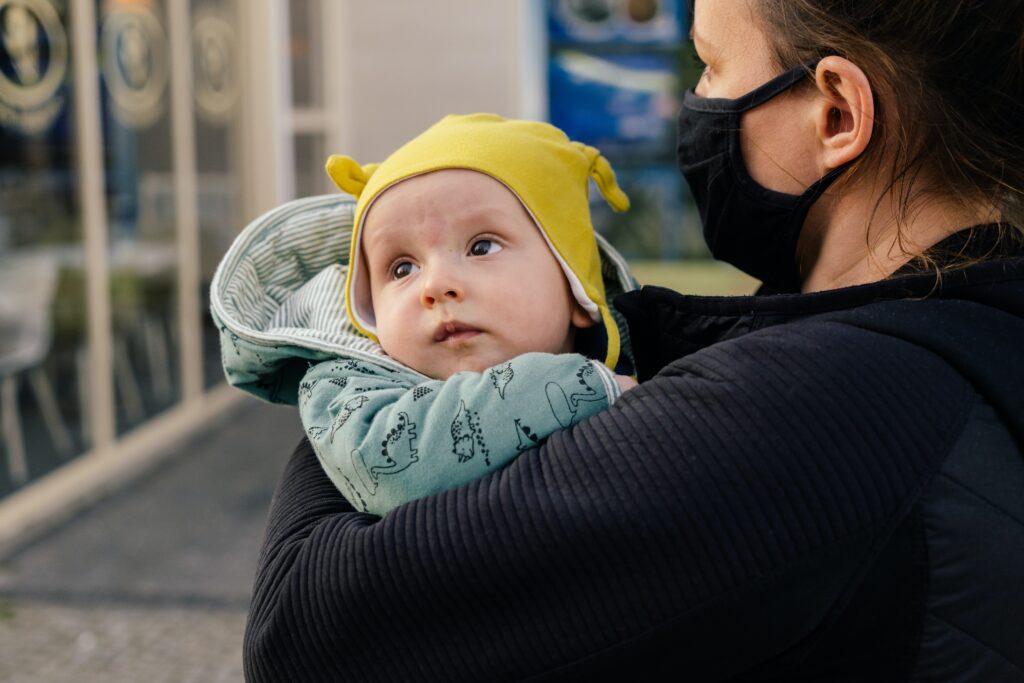
A workable balance is what parents are desperately trying to find in these uncertain times. Even in “normal” times, the balance between work and family has not been an easy one to achieve. The challenge is not new, especially for women. But the pandemic is shining a stadium size light to the problem, can it also shine light on the solution?
International Day of Families: how marital status shapes labour market outcomes
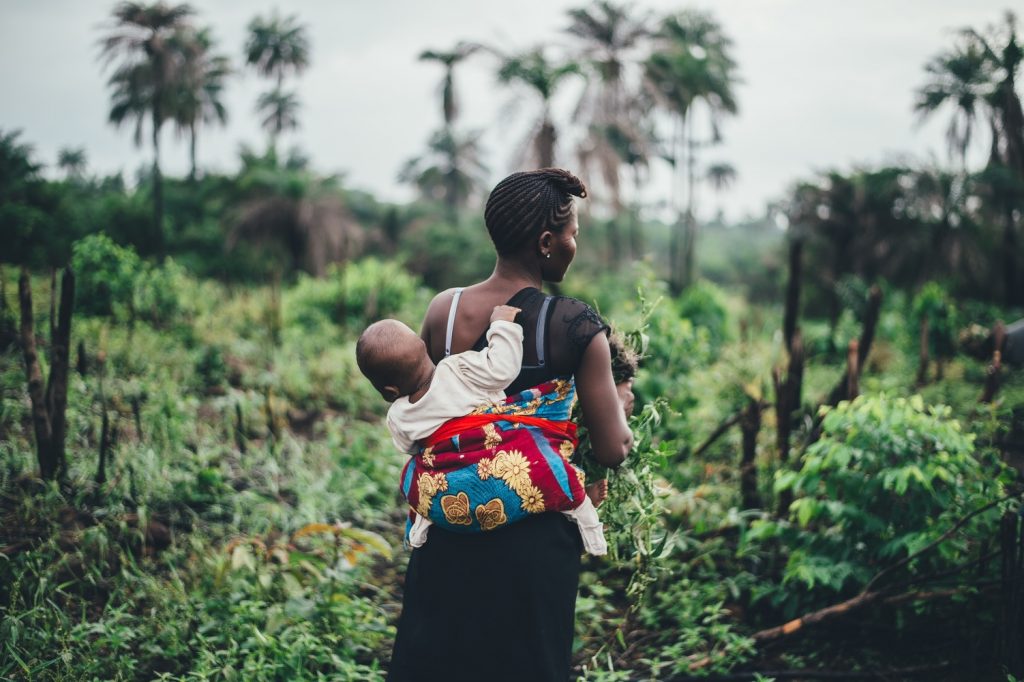
Married life still has a gendered effect on women and men’s labour market outcomes, including their labour force participation, the type of jobs they hold and the forms of labour underutilization they are exposed to.
“I am Generation Equality”: ideals versus reality in Asia and the Pacific’s labour markets
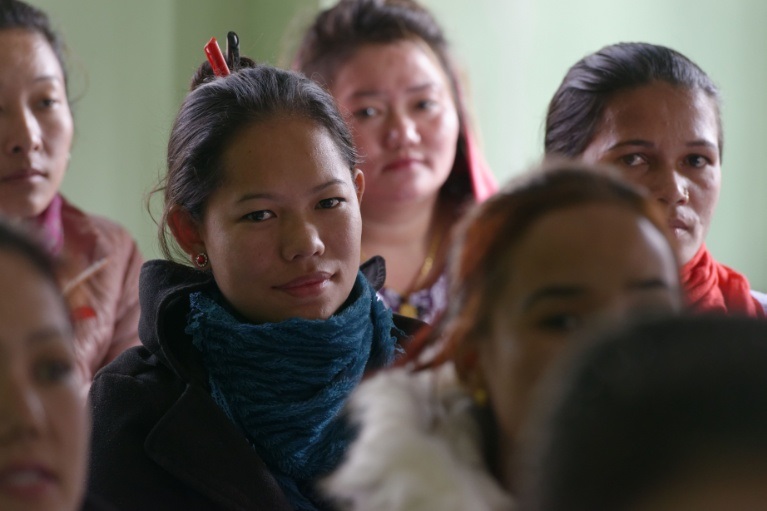
In 1995, an ambitious and progressive plan to improve empowerment of all women and girls globally was developed at the historic Fourth World Conference on Women. Since then, a new generation of women workers have become eligible to enter the workforce; but have they been able to find equal work and pay?
Having kids sets back women’s labour force participation more so than getting married
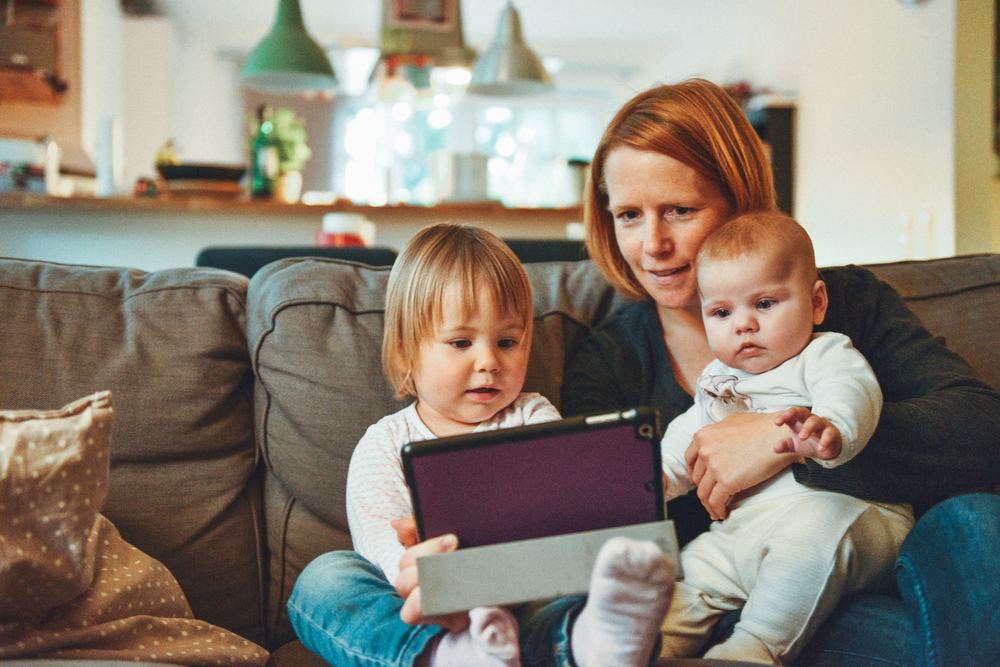
Around the world, gendered social norms continue to shape women’s and men’s participation in the labour market, new data by household composition show.
Inclusion and diversity in the labour market: a call for LGBT labour statistics

Equal opportunities for employment and equal treatment in employment are a key part of decent work. For LGBT+ workers facing labour market discrimination around the world, this is far from a reality. But in order to know the extent and forms of this discrimination, we need labour statistics on LGBT+ people.
How do people with disabilities fare in the labour market?
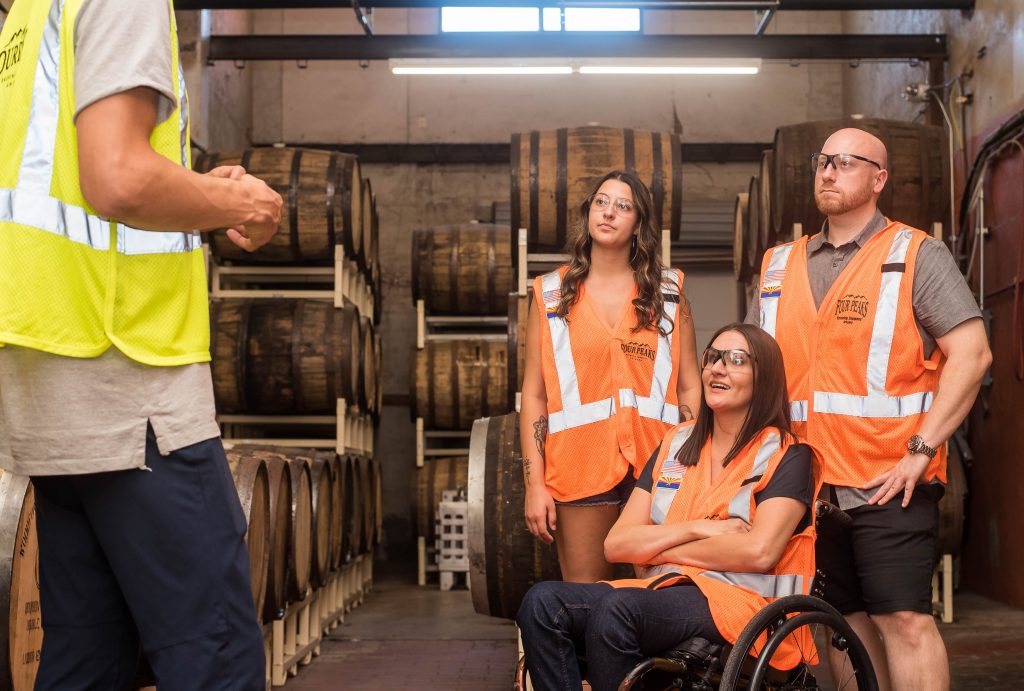
Finding work can be tough for people with disabilities. While the number of people with disabilities in the workforce has been rising in many countries, in part due to changing attitudes and improved legislation, if you have a disability, you’re still more likely to be out of work than a person who doesn’t.