
The jobs gap: Measuring labour underutilisation beyond unemployment
This issue of Spolight on Work Statistics discusses an indicator recently developed by the ILO – the jobs gap – which is shown to be an important complement to the unemployment rate. The indicator is particularly relevant to assess the difficulties that women face in finding a job and highlights job creation challenges in the developing world.
Own-use provision of services: Measurement guide

This guide provides guidance on implementing the ILO add-on module for own-use provision of services (OPS) in national labour force surveys. It is aimed at low- and middle-income countries and is designed to support NSOs to produce statistics on OPS when resource constraints or other considerations impede an independent time-use survey.
Measuring unpaid domestic and care work

Discover a practical tool for measuring unpaid domestic and care work and find out how we can assist you in making time-use data collection and analysis faster, easier, and more accurate.
New standards, increased visibility: improving measurement of the informal economy
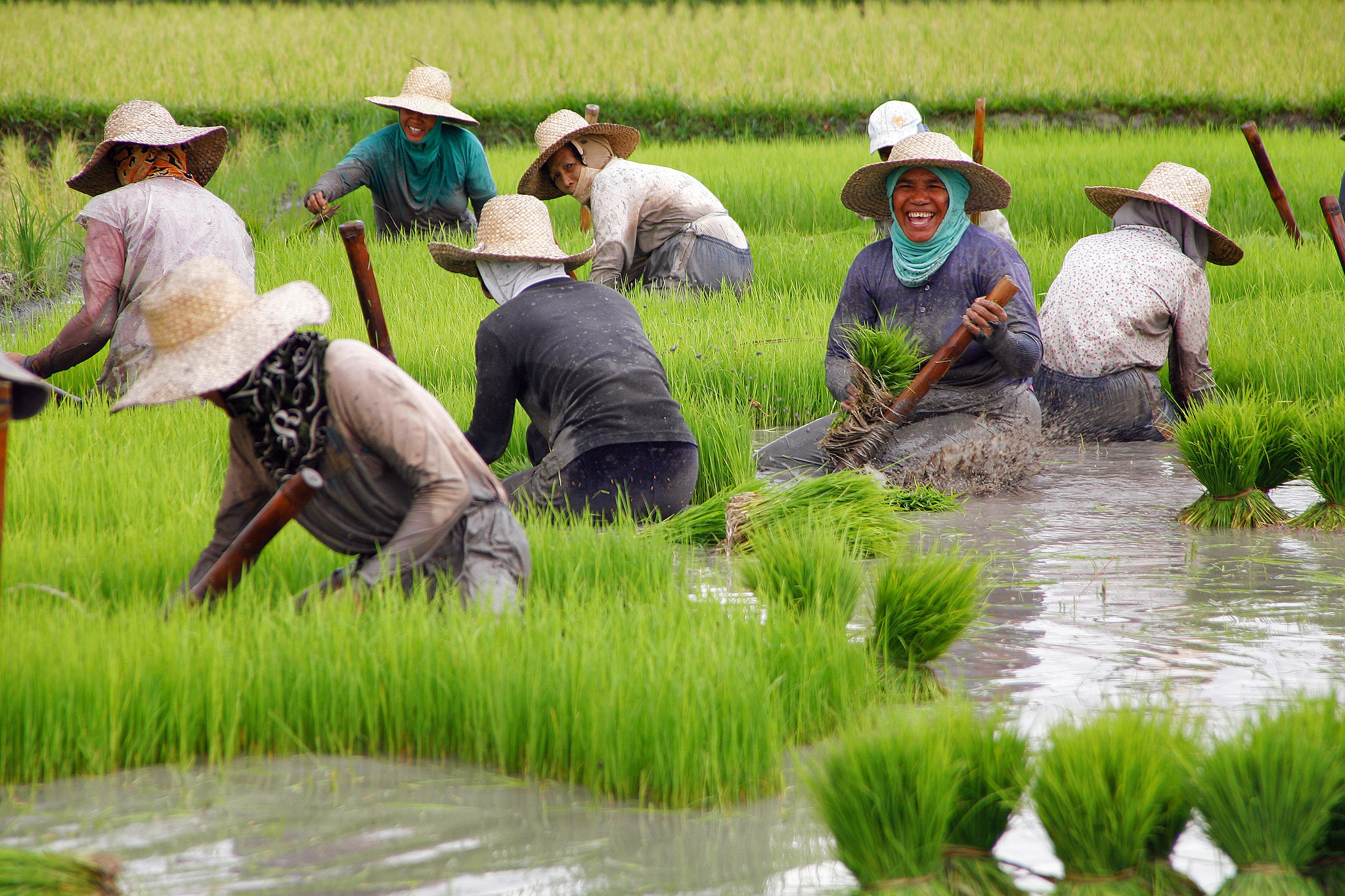
New statistical standards will improve the measurement of the informal economy, providing more useful and complete data to address informality through targeted policies.
Resolution concerning statistics on the informal economy

This resolution aims to set standards for statistics on the informal economy. It defines the statistical concepts of informal productive activities, the informal economy, the informal market economy and informal work and provides operational concepts, definitions and guidelines for the statistical measurement of its components.
The International Standard Classification of Occupations (ISCO-08) companion guide
This companion guide provides guidance on the practical aspects of adapting ISCO-08 for national use or developing a national classification related to it.
International Classification of Status in Employment (ICSE-18) manual

A resolution adopted at the 20th ICLS includes a new international classification of status in employment (ICSE-18). This manual describes the revised classification, how it differs from the previous version, and how to implement it in a household survey.
ILO data highlights need for disability disaggregated labour force surveys and investment in data systems

Data on labour market disparities between persons with and without disabilities are essential to inform transformative policymaking and programming. Yet, analysis of ILOSTAT datasets reveal that many countries do not collect population-level data on disability status, hampering efforts to disaggregate labour market indicators. Investment in national data systems is needed to advance disability inclusion. This blog focuses on Africa, where we see progress toward more inclusive data systems in many countries, but gaps remain.
ILO modelled estimates methodological overview

The ILO modelled estimates series provides a complete set of internationally comparable labour statistics, including both nationally reported observations and imputed data for countries with missing data. The imputations are produced through a series of econometric models maintained by the ILO. This document describes the methodology of the series.
Engendering informality statistics: gaps and opportunities
This working paper explores the demand for gender data on informality and the measurement challenges faced, and highlights the opportunities emerging from the revision of statistical standards on informality that are set to be adopted in 2023.