
Empowering Africa’s youth: the need for more vocational training and on-the-job learning
Expanding access to technical and vocational education, coupled with work-based learning, is crucial to building a more resilient and adaptable workforce among Africa’s youngest workers.
African youth face pressing challenges in the transition from school to work

More than 72 million youth in Africa are not in education, employment or training – the majority of them young women. Tackling youth inactivity and gender inequalities is essential if countries are to achieve Sustainable Development Goal 8 on decent work for all by 2030.
Statistics in Europe and Central Asia

Get labour statistics for the region of Europe and Central Asia.
Statistics in the Americas

Get labour statistics for the region of the Americas.
Statistics in Arab States

Get labour statistics for the region of Arab States.
Statistics in Africa

Get labour statistics for the region of Africa.
Statistics in Asia and the Pacific

Get labour statistics for the regino of Asia and the Pacific.
Measuring labour migration in ASEAN: Analysis from the ILO’s International Labour Migration Statistics (ILMS) Database

This report presents the latest statistics on international labour migration in ASEAN Member States, providing a comprehensive picture of the demographic profiles and work-characteristics of migrant workers in the labour markets of ASEAN countries of destination, as well as the flows of labour migration to and from the ASEAN region.
Report on Labour Migration Statistics in Africa (Third Edition, 2019)
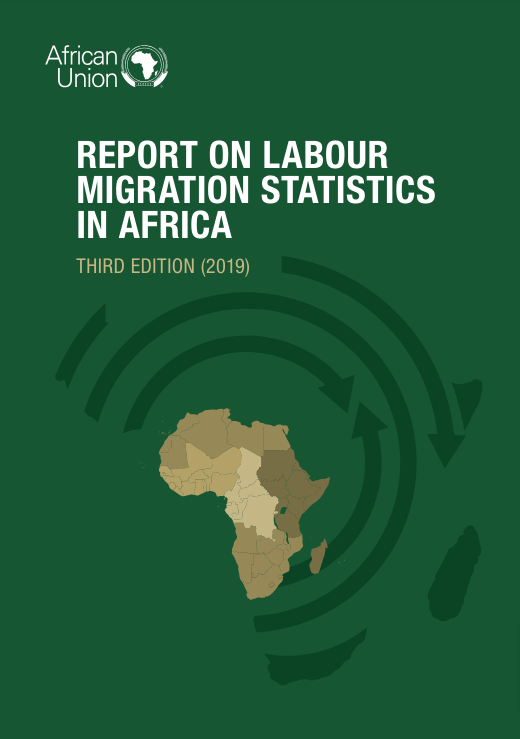
This report outlines the labour migration trajectory in Africa and facilitates the design of informed policies and programmes for the effective protection of labour migrants and their families leading to the promotion of sustainable development in both countries of origin and destination.
Millions of hours spent daily on unpaid work: evidence from Asia and the Pacific
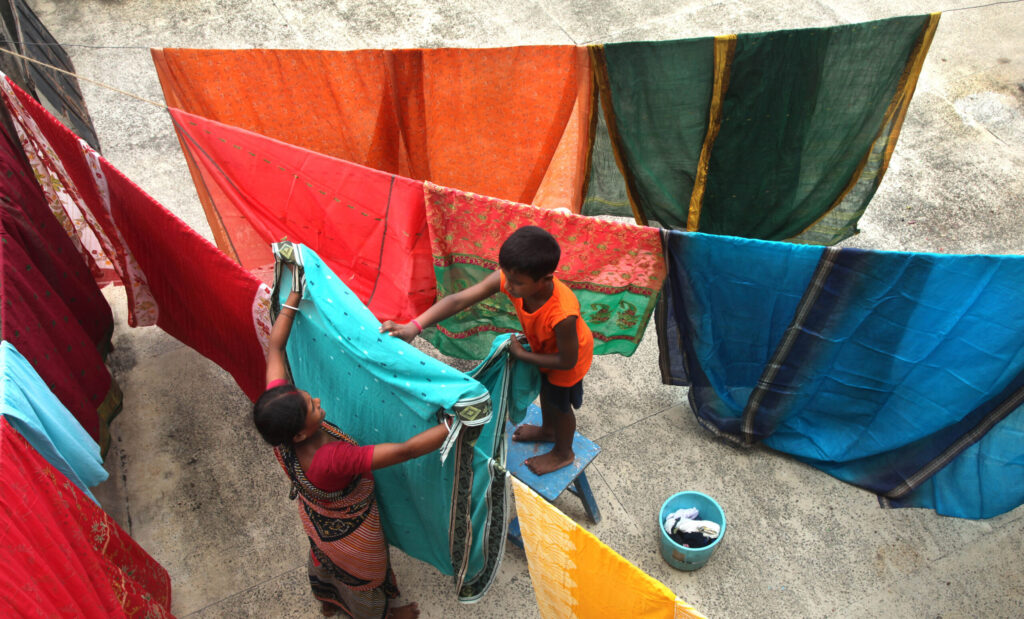
Unpaid production work is the foundation of all other productive work, yet the time spent on these activities is often neglected in labour market analyses.