Inflation more than doubled between March 2021 and March 2022
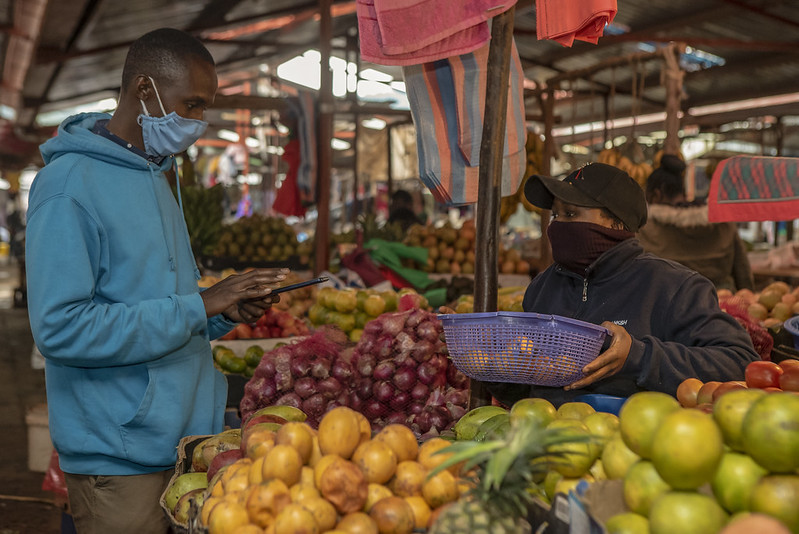
The annual rate of inflation worldwide, as measured by the consumer price index (CPI), accelerated to 9.2 per cent in March 2022, up from 7.5 per cent in February 2022, 6.8 per cent in January 2022 and 6.4 per cent in December 2021.
Social Dialogue Report 2022: Collective bargaining for an inclusive, sustainable and resilient recovery

This first edition of this new ILO flagship report focuses on collective bargaining.
COVID-19 and the Sustainable Development Goals: reversing progress towards decent work for all
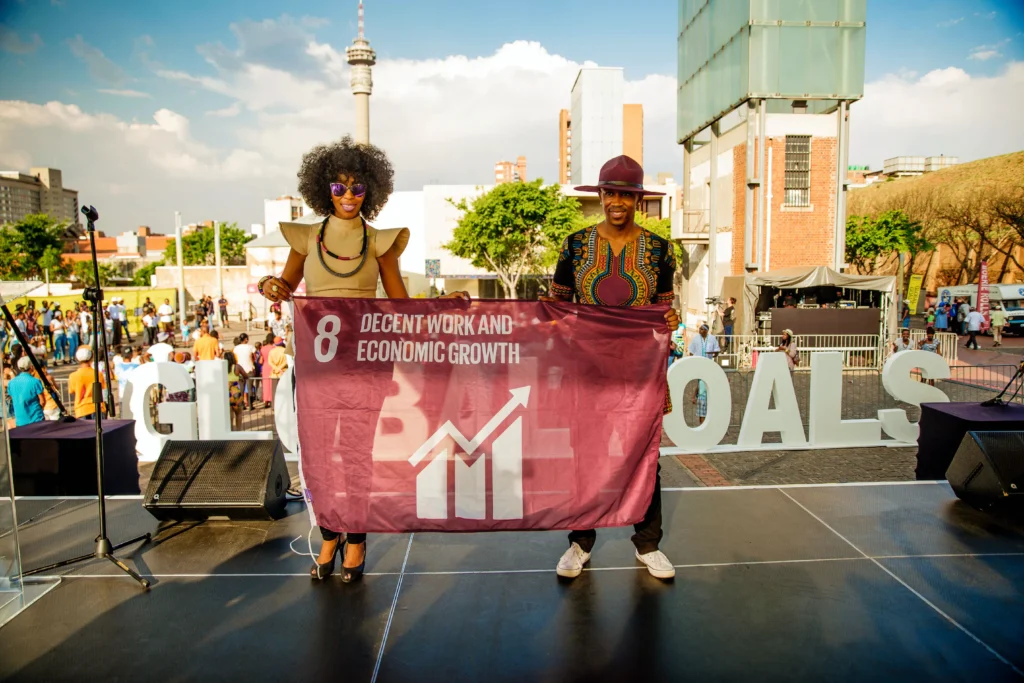
The pandemic wreaked havoc on people’s lives and societies, but how far did it set the global community back in reaching the SDG targets related to decent work and economic growth?
Measuring labour migration in ASEAN: Analysis from the ILO’s International Labour Migration Statistics (ILMS) Database

This report presents the latest statistics on international labour migration in ASEAN Member States, providing a comprehensive picture of the demographic profiles and work-characteristics of migrant workers in the labour markets of ASEAN countries of destination, as well as the flows of labour migration to and from the ASEAN region.
Over 2 million moms left the labour force in 2020 according to new global estimates
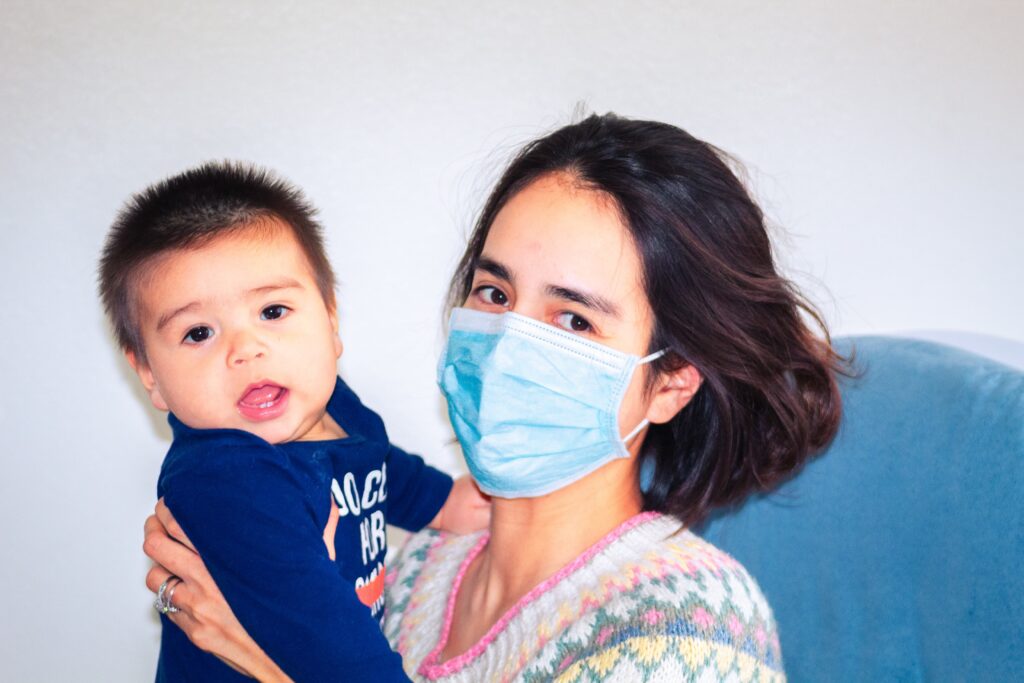
Released today, new global data covering 189 countries and territories expose the motherhood penalty faced by millions of women around the world in the midst of the COVID-19 pandemic.
Why would labour productivity surge during a pandemic?
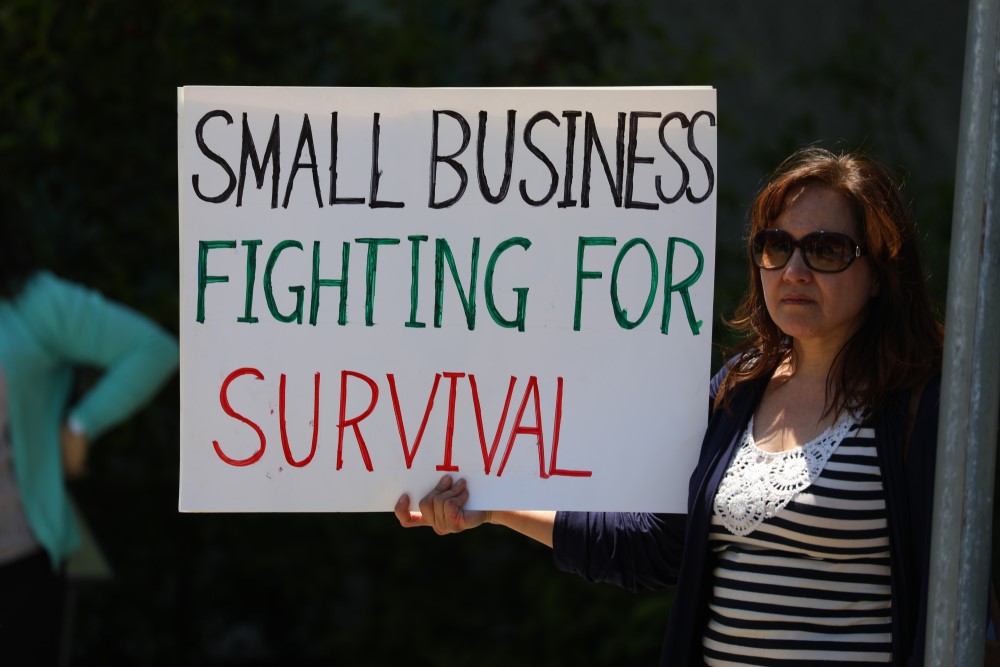
Labour productivity growth is generally associated with higher wages and better working conditions. In the longer term, increased productivity is key to economic development. But how should we interpret productivity trends during a pandemic? Does faster productivity growth mean that firms and workers are actually better off?
Keeping labour data flowing during the COVID-19 pandemic
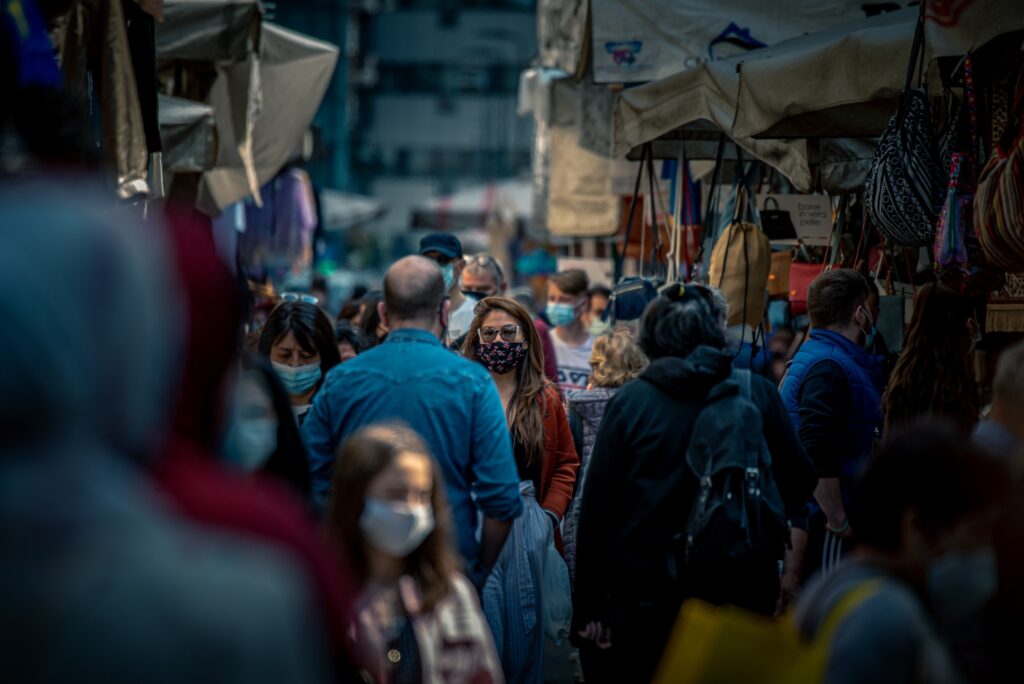
Losing the ability to collect data may not be one of the more obvious negative effects of the COVID-19 pandemic. However, nearly all countries in the world found it difficult to gather data precisely when demand was highest. A recent global survey by the ILO has highlighted just how great the impact was on the production of labour statistics and how countries responded to meet user needs for data.
Only half of workers worldwide hold jobs corresponding to their level of education

Over the years, considerable effort has been invested in improving the educational attainment of people worldwide, especially as part of the implementation of the Millennium Development Goals and the Sustainable Development Goals. However, the enormous progress achieved in raising levels of education, especially among women and girls, has not translated into corresponding improvements in labour market outcomes.
Building Forward Fairer: Women’s rights to work and at work at the core of the COVID-19 recovery

This policy brief provides an outlook of where women stand in the labour market after more than a year into the COVID-19 pandemic.
How women are being left behind in the quest for decent work for all

The United Nations’ Sustainable Development Goals set out a shared vision to end poverty, fight inequality and injustice, and tackle climate change by 2030. Will the pandemic reverse progress in advancing decent work for all as prescribed under Goal 8? It seems likely, at least for women.