
Youth Labour Market Statistics (YouthSTATS database)
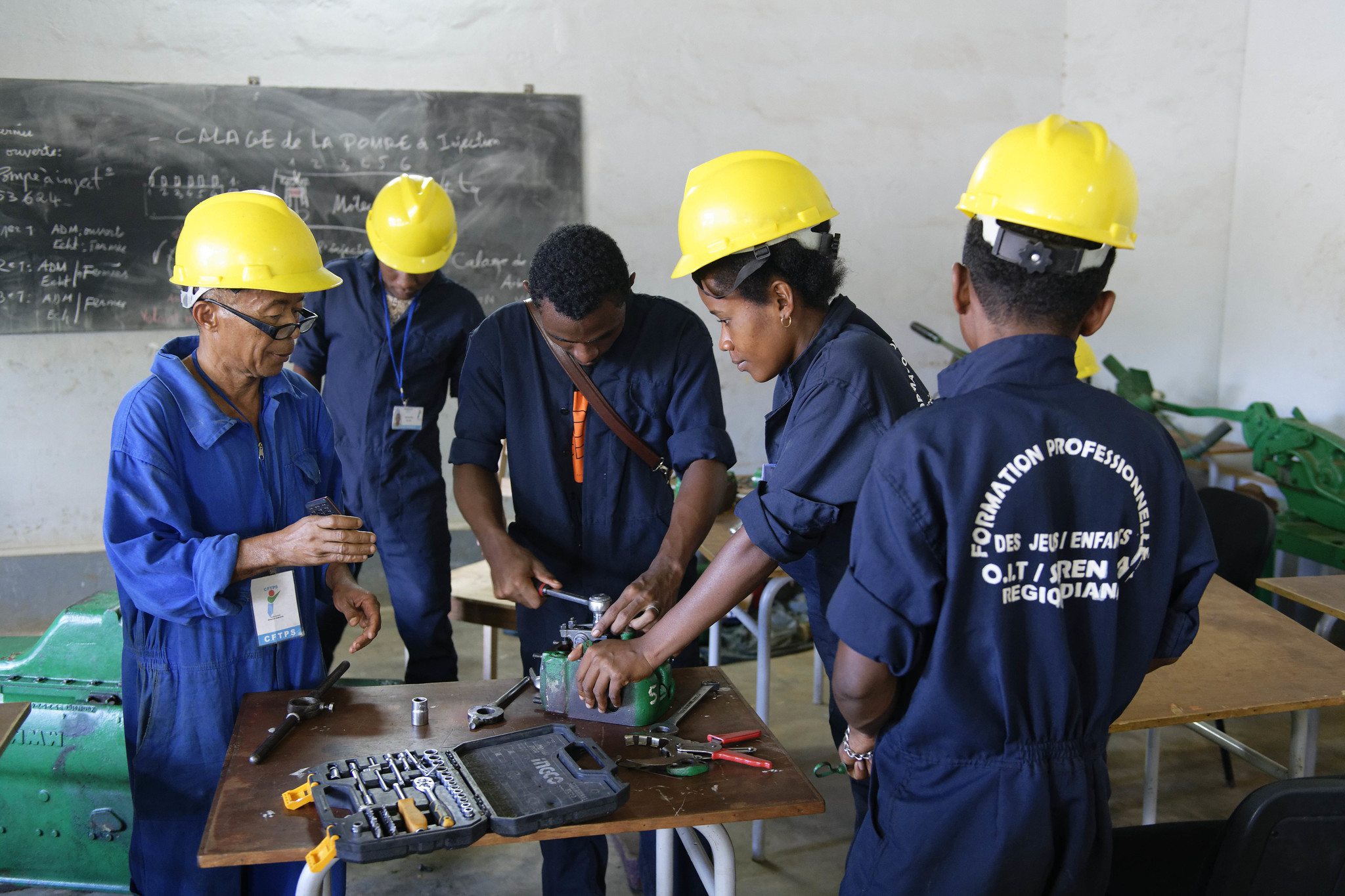
Concise description of concepts and definitions, uses, sources and limitations for labour force statistics focused on youth.
Disability Labour Market Indicators (DLMI database)

Concise description of concepts and definitions, uses, sources and limitations for the labour force statistics disaggregated by disability status.
Labour Market-Related SDG Indicators (ILOSDG database)

Concise description of concepts and definitions, uses, sources and limitations for labour market-related sustainable development indicators.
What to know when comparing data on women and men’s work
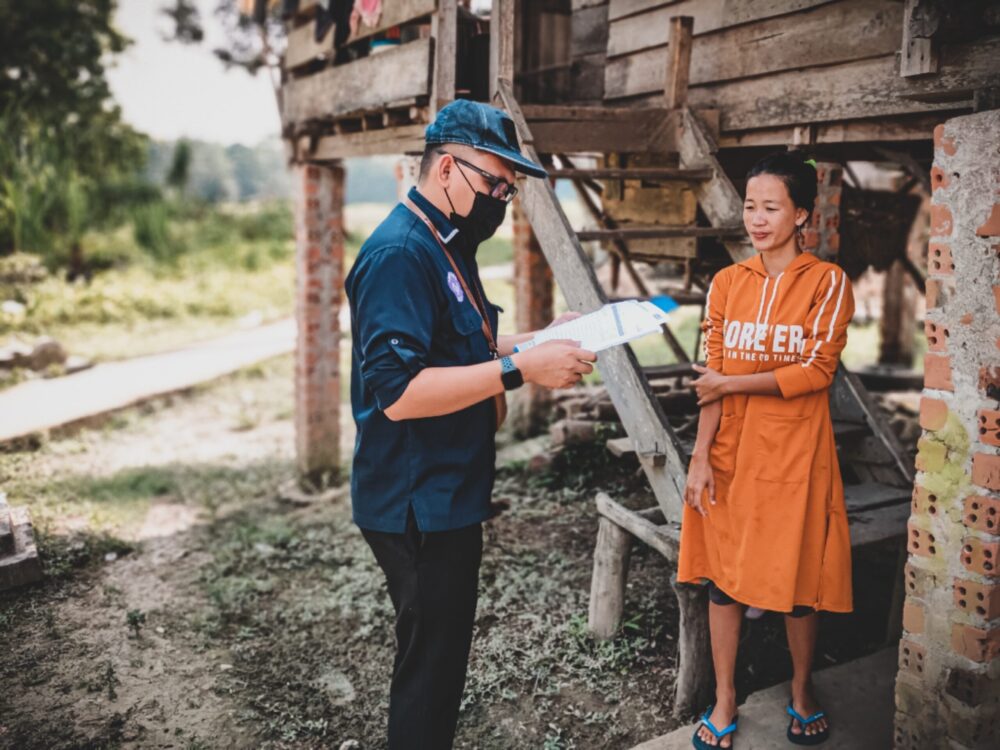
How many men and women were employed last week? How many hours did they work in their main jobs? And how many hours did they work in unpaid activities such as caring for children? These are seemingly straightforward questions but measuring paid and unpaid work through household surveys is anything but straightforward. This holds true especially for women in developing countries, who are more often engaged in informal activities such as microenterprises or small-scale farming — activities that can fall through the cracks of traditional surveys.
Global review of impacts of the COVID-19 pandemic on labour force surveys and dissemination of labour market statistics

In March 2021, the ILO undertook a global survey of national data producers to understand the impacts of the pandemic on their statistical operations particularly in the domain of labour statistics.
Keeping labour data flowing during the COVID-19 pandemic
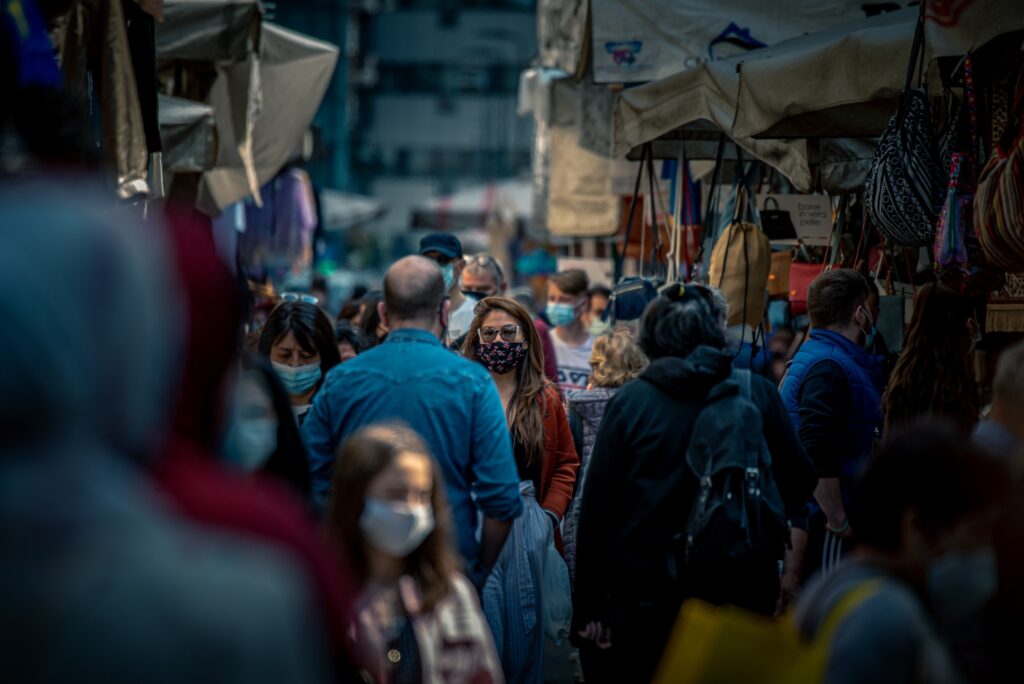
Losing the ability to collect data may not be one of the more obvious negative effects of the COVID-19 pandemic. However, nearly all countries in the world found it difficult to gather data precisely when demand was highest. A recent global survey by the ILO has highlighted just how great the impact was on the production of labour statistics and how countries responded to meet user needs for data.
Measuring volunteer work self-learning course

In this self-paced course, also available in French, Spanish, Arabic and Russian, you will learn about the latest international standards on the statistical measurement of volunteer work; and how to apply the ILO survey tools to generate headline indicators on volunteer work. If it is the first time you access the ITC eCampus platform, click on CREATE NEW ACCOUNT and follow the instructions.
Child Labour Statistics (CHILD database)

Concise description of concepts and definitions, uses, sources and limitations for the Child Labour Statistics (CHILD) database.
Volunteer work measurement guide
The guide provides survey designers with the latest ILO tools and recommendations to produce statistics on volunteer work in line with the current international standards.
Strengthening gender measures and data in the COVID-19 era: An urgent need for change
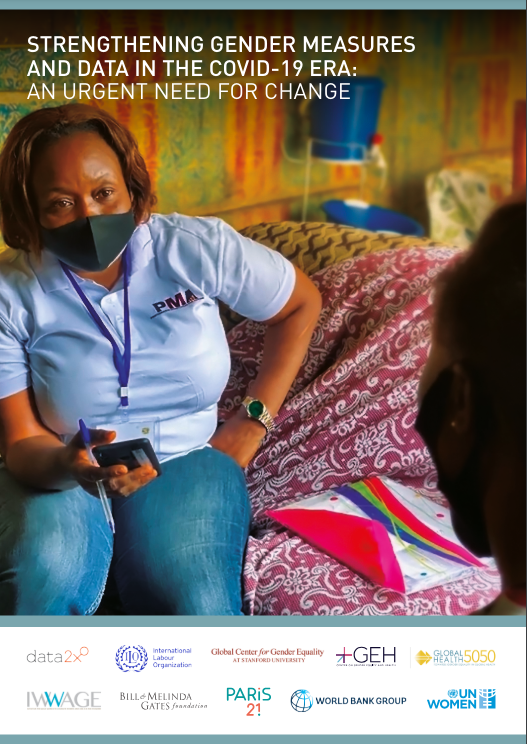
This brief highlights 5 key areas where strong and decisive action is required to achieve sustainable improvement in the availability of key gender data, including in the world of work.