
How to strengthen gender measures and data in the COVID-19 era

The data is abundantly clear on one point: the COVID-19 pandemic has had a disproportionately negative impact on women. Because more women work in the tourism, retail, and informal sectors, which have been hardest hit by the pandemic, their livelihoods have been upended. Understanding the extent of this impact is the first step in reversing course. Yet the pandemic has also exposed and exacerbated data gaps that undermine our ability to act intentionally and craft effective policy responses.
Avoid these 5 rookie mistakes when using ILO databases

Containing more than 100 million data points, the ILOSTAT portal is truly a gold mine for seasoned data scientists, but it can be challenging to use for those with less experience. Here we explain five typical rookie mistakes so you can avoid them.
Consumer Price Index Manual: Concepts and Methods | 2020

The manual provides an overview of the methods and practices national statistical offices should consider when making decisions on how to deal with the various problems in the compilation of a consumer price index (CPI). It is an update of the 2004 CPI manual.
Statistics on Cooperatives: Concepts, classification, work and economic contribution measurement
This publication brings together updated versions of four background studies produced for the ILO and COPAC in the process leading up to the adoption of the Guidelines concerning statistics of cooperatives at the 20th ICLS in October 2018. Together with the guidelines, it is intended to help statisticians to capture more information on key trends and challenges in the world of cooperatives.
Quick Guide on sources and uses of statistics on occupational safety and health

This guide gives an overview of the main aspects of occupational safety and health statistics, including their relevance and uses.
International Labour Migration Statistics (ILMS database)
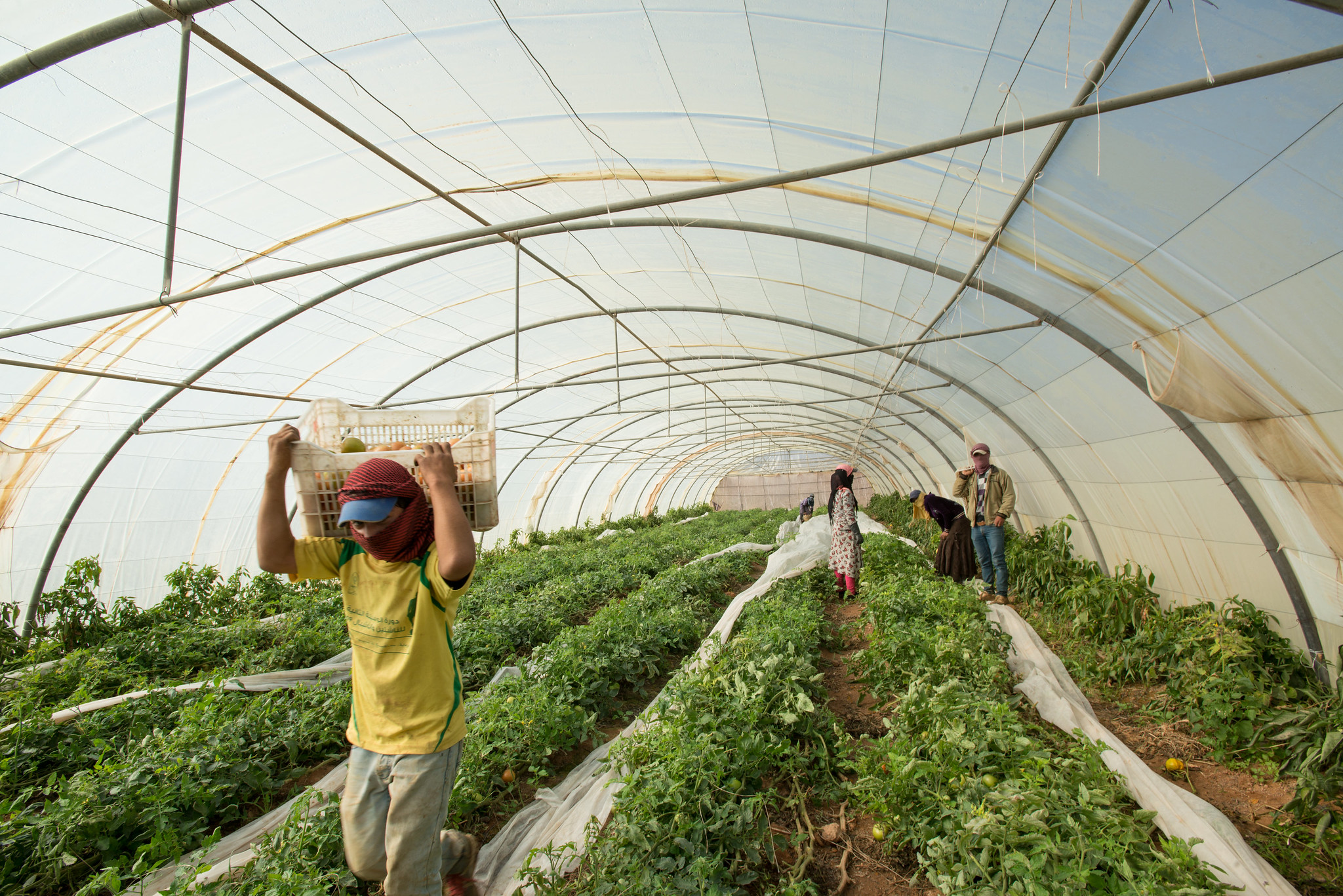
Concise description of concepts and definitions, uses, sources and limitations for international labour migration statistics, including stocks and flows.
Defining and measuring remote work, telework, work at home and home-based work
Working from a distance and working at home are not new phenomena but the relevance of their measurement has increased, not least due to the Covid-19 pandemic. This notes provide guidance to data producers on how the four different concepts of remote work, telework, work at home and home-based work should be statistically understood, how they relate to each other, and how they can be measured through a household survey.
Conceptual framework for statistics on work relationships

Capturing impacts on employment and unpaid work using Rapid Surveys

Lack of data on how households and workers are being impacted by the pandemic can severely affect the formulation of programmes and policies aimed to help those most in need. In times of crisis, rapid surveys may be an alternative source of information where official household surveys such as LFS have been halted or postponed. This note provides modules for rapid surveys to shed light on the COVID-19 impacts on paid and unpaid work.
COVID-19 impact on labour market statistics
The restrictions necessary to combat COVID-19 pose a huge obstacle to data collection operations, precisely when there is a massive increase in demand for information. The ILO reached out to national data producers to understand the impacts of the pandemic on their statistical operations particularly in the domain of labour statistics. Last update: May 2020