
Prices, Costs and Currency Conversions (PRICES database)

Concise description of concepts and definitions, uses, sources and limitations for statistics on consumer prices, labour costs, and currency conversion factors.
Breaking the bias for better gender data
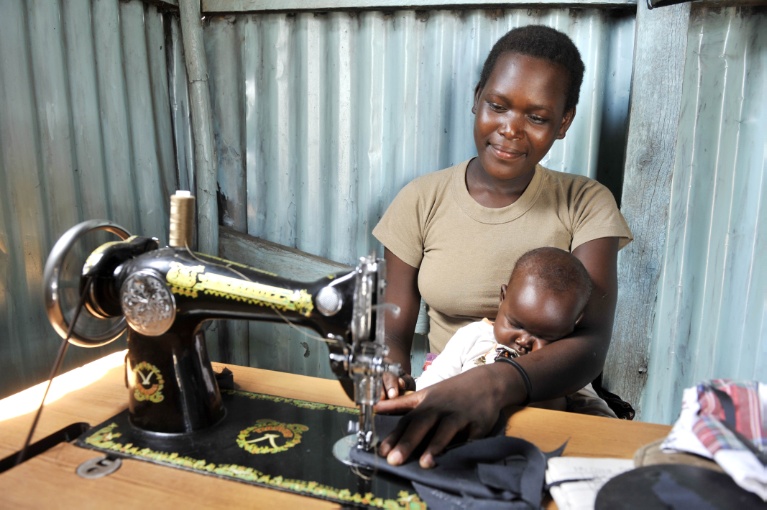
Generating high quality statistics relies on eliminating gender bias at all stages of the production process. This blog looks at how gender bias occurs in statistics and what the ILO is doing to support efforts to minimize it.
About SDG indicator 8.8.2
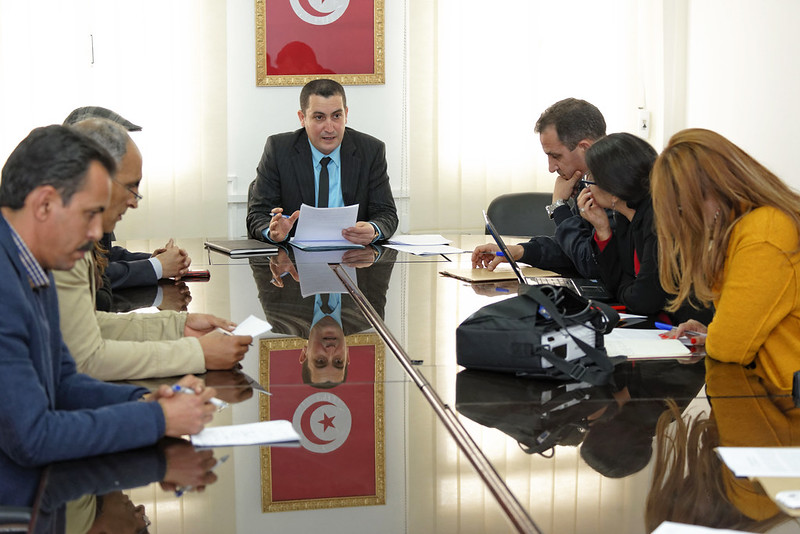
This page describes the methodology for SDG indicator 8.8.2, which measures the level of national compliance with freedom of association and the effective recognition of the right to collective bargaining for all ILO member states.
Labour Force Statistics (LFS and RURBAN databases)
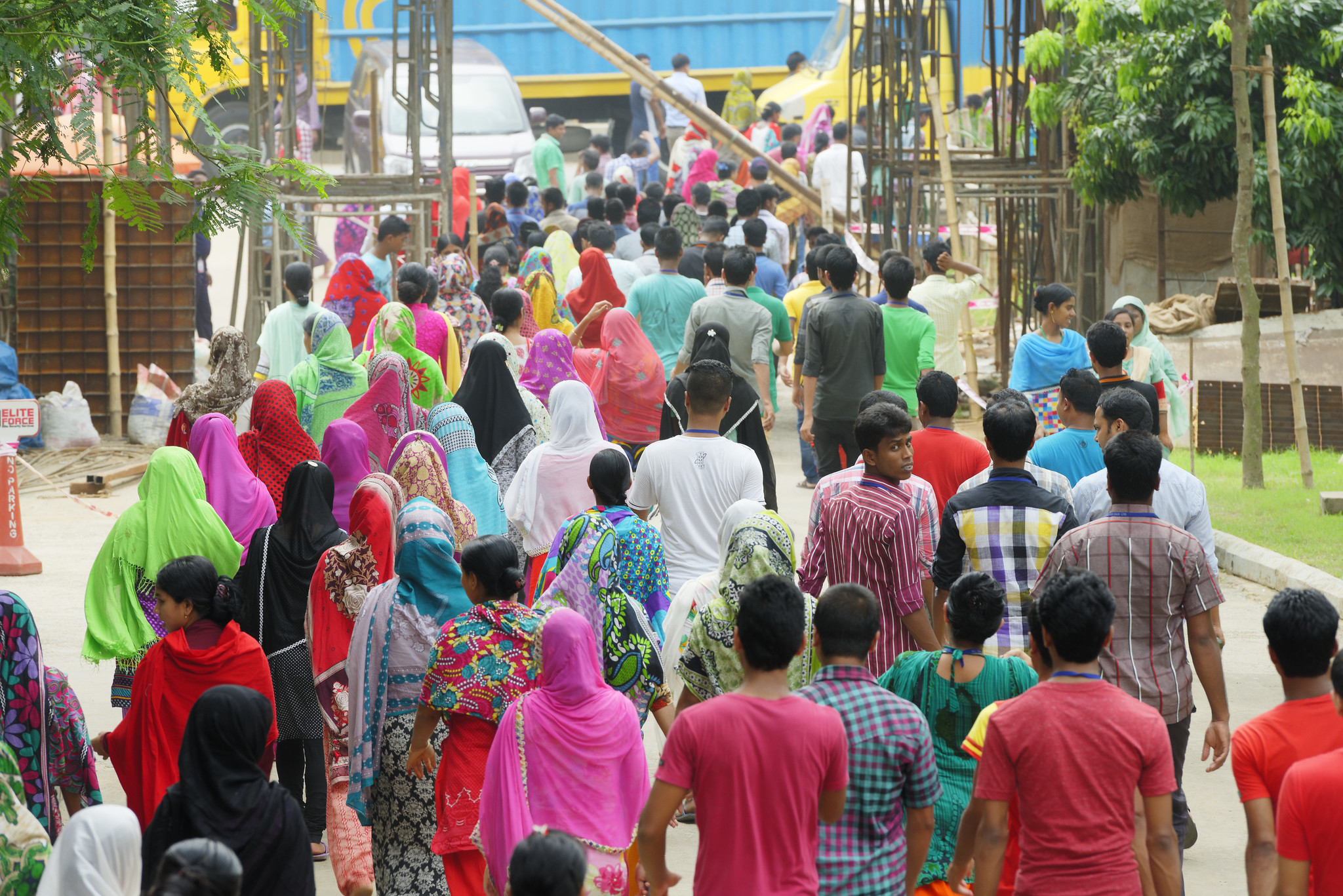
Concise description of concepts and definitions, uses, sources and limitations for labour force statistics in various databases (LFS, STLFS, RURBAN).
Work Statistics – 19th ICLS (WORK database)
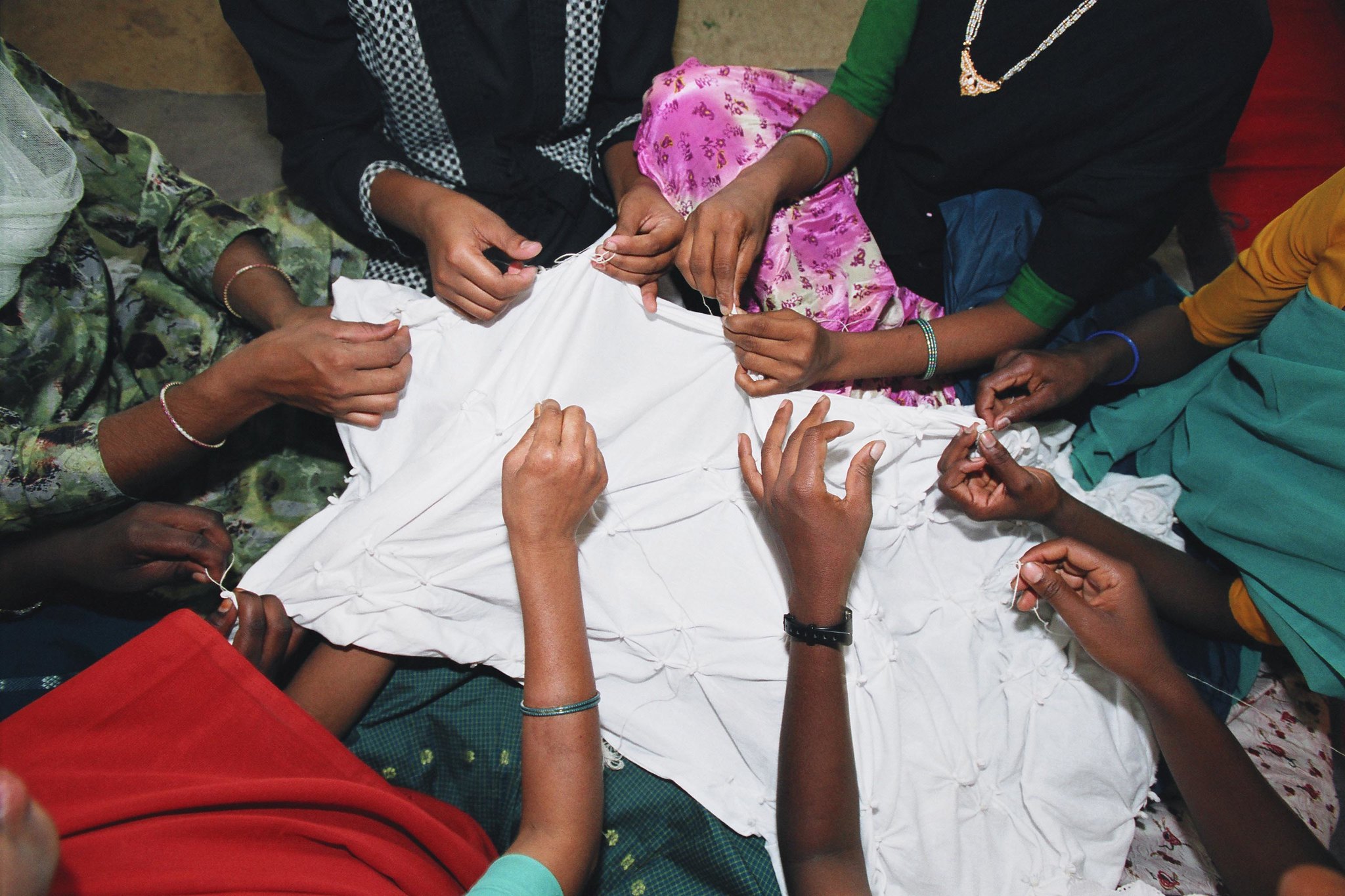
Concise description of concepts and definitions, uses, sources and limitations for (paid and unpaid) work statistics based on the 19th ICLS standards.
Youth Labour Market Statistics (YouthSTATS database)
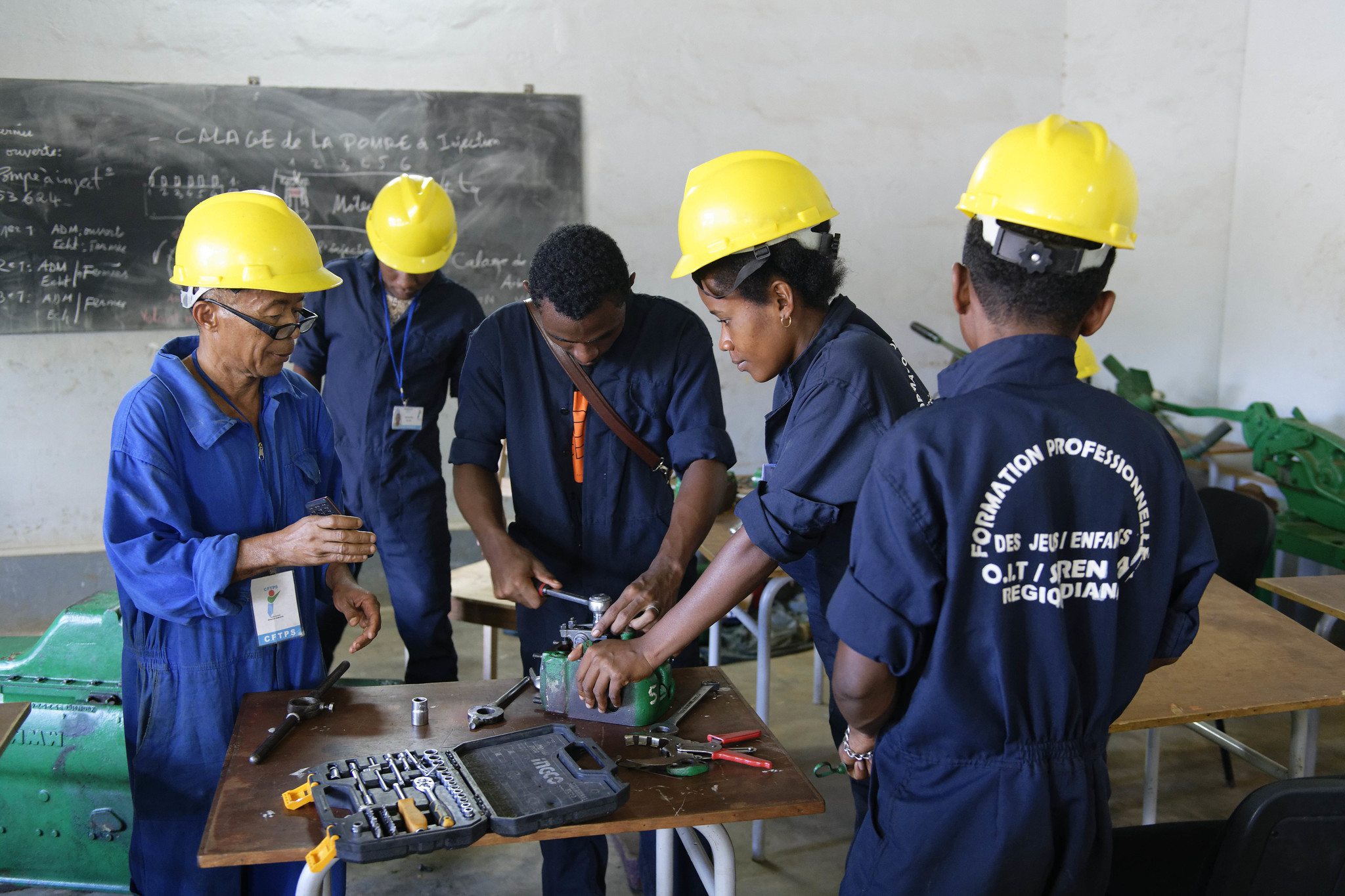
Concise description of concepts and definitions, uses, sources and limitations for labour force statistics focused on youth.
Disability Labour Market Indicators (DLMI database)

Concise description of concepts and definitions, uses, sources and limitations for the labour force statistics disaggregated by disability status.
Labour Market-Related SDG Indicators (ILOSDG database)
Concise description of concepts and definitions, uses, sources and limitations for labour market-related sustainable development indicators.
What to know when comparing data on women and men’s work
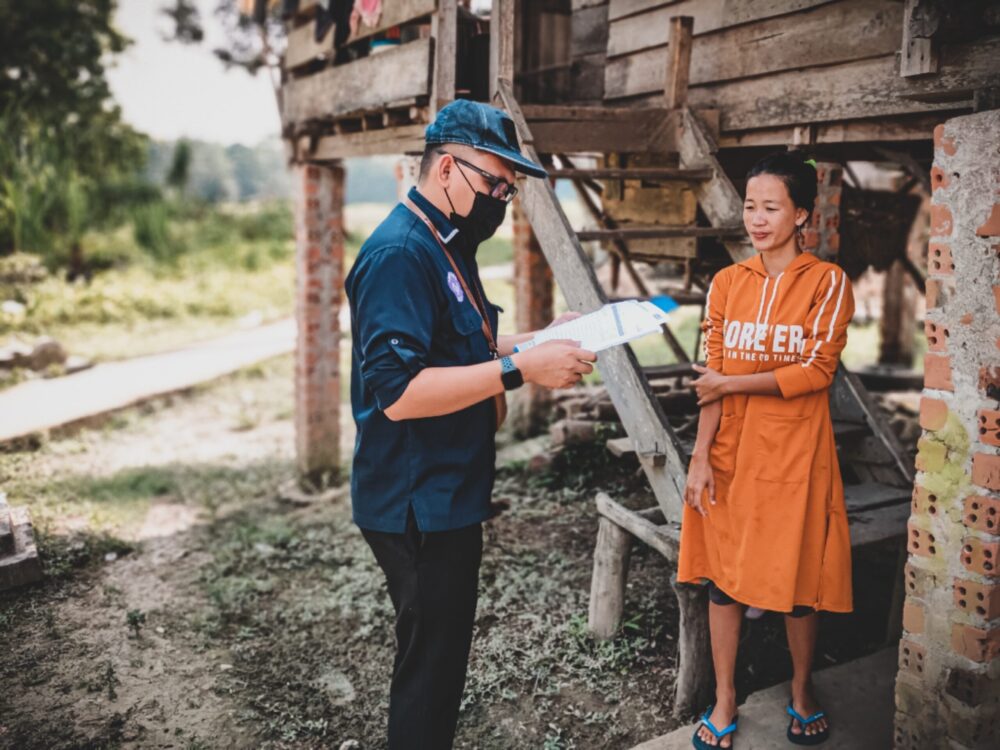
How many men and women were employed last week? How many hours did they work in their main jobs? And how many hours did they work in unpaid activities such as caring for children? These are seemingly straightforward questions but measuring paid and unpaid work through household surveys is anything but straightforward. This holds true especially for women in developing countries, who are more often engaged in informal activities such as microenterprises or small-scale farming — activities that can fall through the cracks of traditional surveys.
Global review of impacts of the COVID-19 pandemic on labour force surveys and dissemination of labour market statistics

In March 2021, the ILO undertook a global survey of national data producers to understand the impacts of the pandemic on their statistical operations particularly in the domain of labour statistics.