
International Day of Families: how marital status shapes labour market outcomes
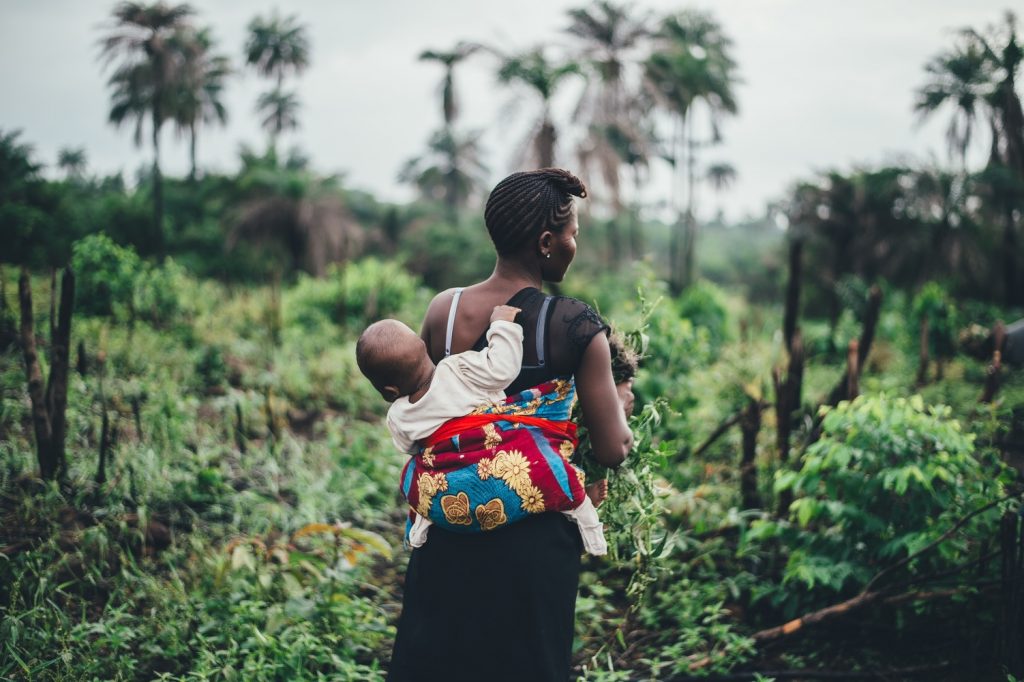
Married life still has a gendered effect on women and men’s labour market outcomes, including their labour force participation, the type of jobs they hold and the forms of labour underutilization they are exposed to.
How COVID-19 is changing the world: a statistical perspective

This report provides a snapshot of some of the latest information available on how COVID-19 is affecting different aspects of public and private life. It also provides a glimpse into the challenges facing national statistical offices. At a time when statistics are most needed, many statistical systems are struggling to compile basic statistics, highlighting once again the need to invest in data and statistics, and the importance of having modern national statistical systems and data infrastructure.
COVID-19 and the new meaning of safety and health at work
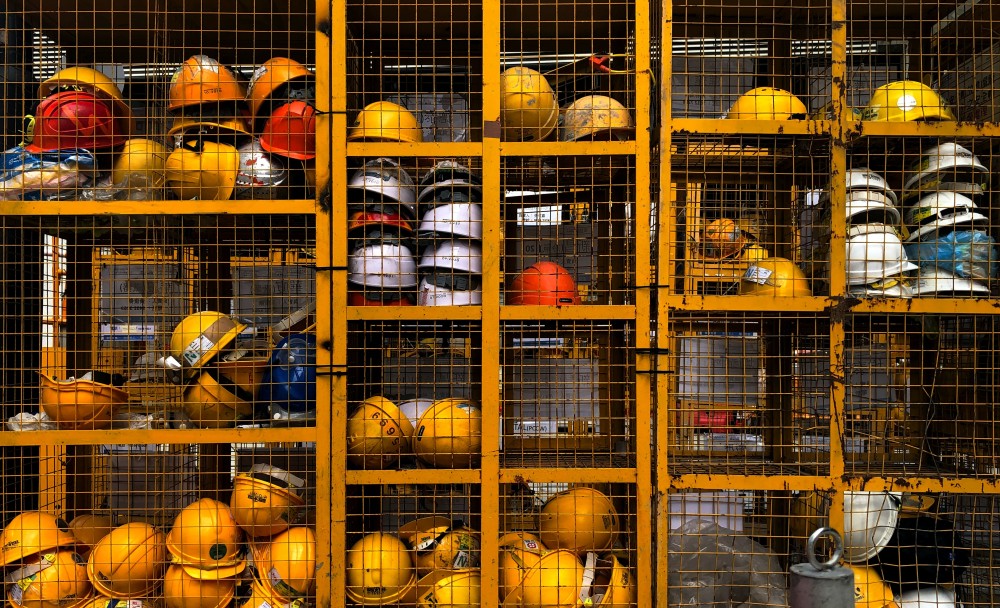
In the context of the COVID-19 pandemic, occupational safety and health takes on even greater importance. It is a core aspect of decent work, and as such, it should be universally guaranteed. Yet, too many work accidents still take place every year. Work accidents have a significant human, social and economic cost, which we should strive to eliminate by ensuring that all workplaces are safe and healthy.
COVID-19: are there enough health workers?
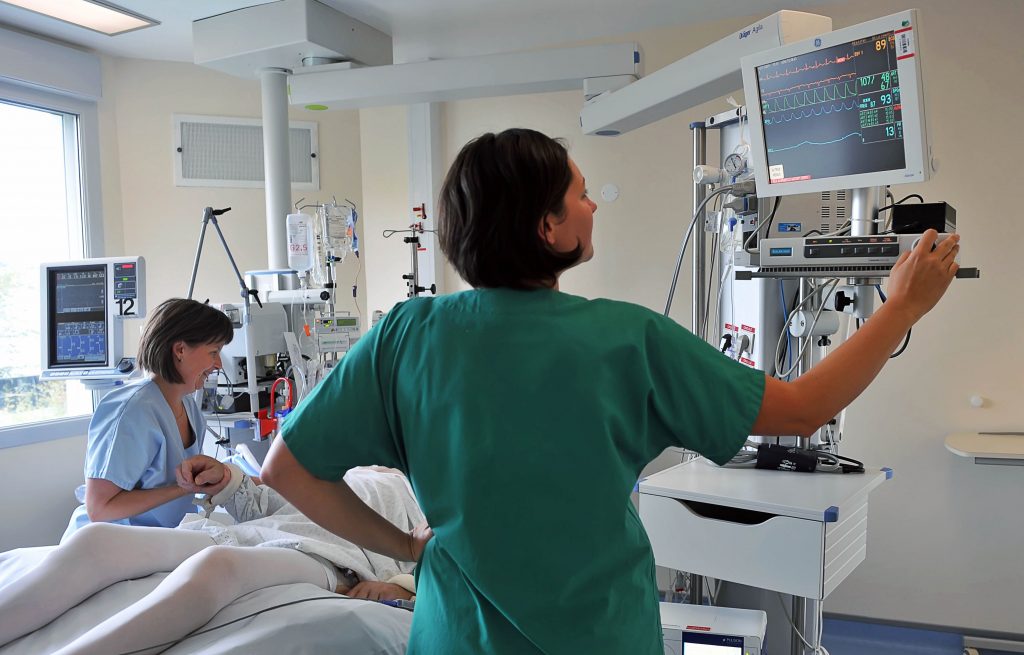
As the COVID-19 crisis puts pressure on health services across the globe, ILOSTAT data highlights the already existing shortages of health workers.
“I am Generation Equality”: ideals versus reality in Asia and the Pacific’s labour markets
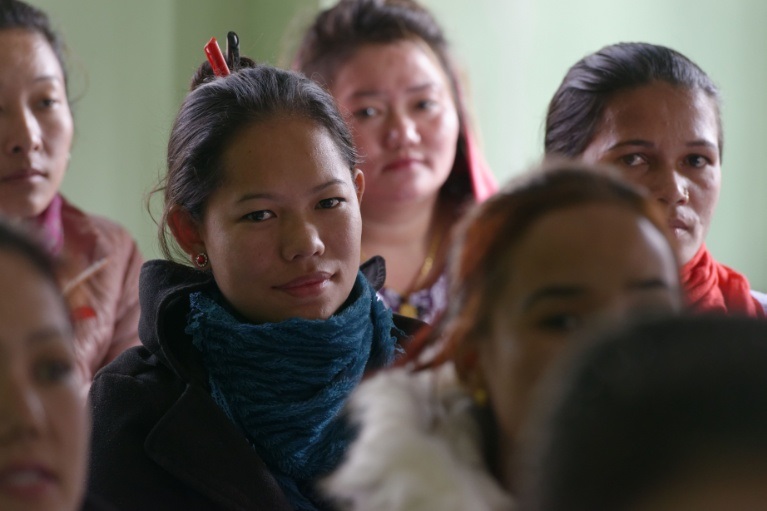
In 1995, an ambitious and progressive plan to improve empowerment of all women and girls globally was developed at the historic Fourth World Conference on Women. Since then, a new generation of women workers have become eligible to enter the workforce; but have they been able to find equal work and pay?
These occupations are dominated by women

What do girls and boys dream of doing when they grow up? Occupations like firefighter, astronaut, doctor and pilot might top the list, but what’s the reality?
Having kids sets back women’s labour force participation more so than getting married

Around the world, gendered social norms continue to shape women’s and men’s participation in the labour market, new data by household composition show.
258 million workers in the world are over-educated for their jobs

More than 935 million workers in the world have jobs that don’t match their educational level: 72% of them (677 million) are under-educated for their jobs, while the remaining 28% (258 million) are over-educated. This new data in ILOSTAT covers 114 countries, which means that the actual global figures are probably much higher.
Can we achieve decent work for all by 2030?

The ILO Department of Statistics has just fulfilled its SDG reporting duties for 2020. What the data show is not encouraging: at this pace, we won’t achieve decent work for all by 2030.
How many women work in STEM?
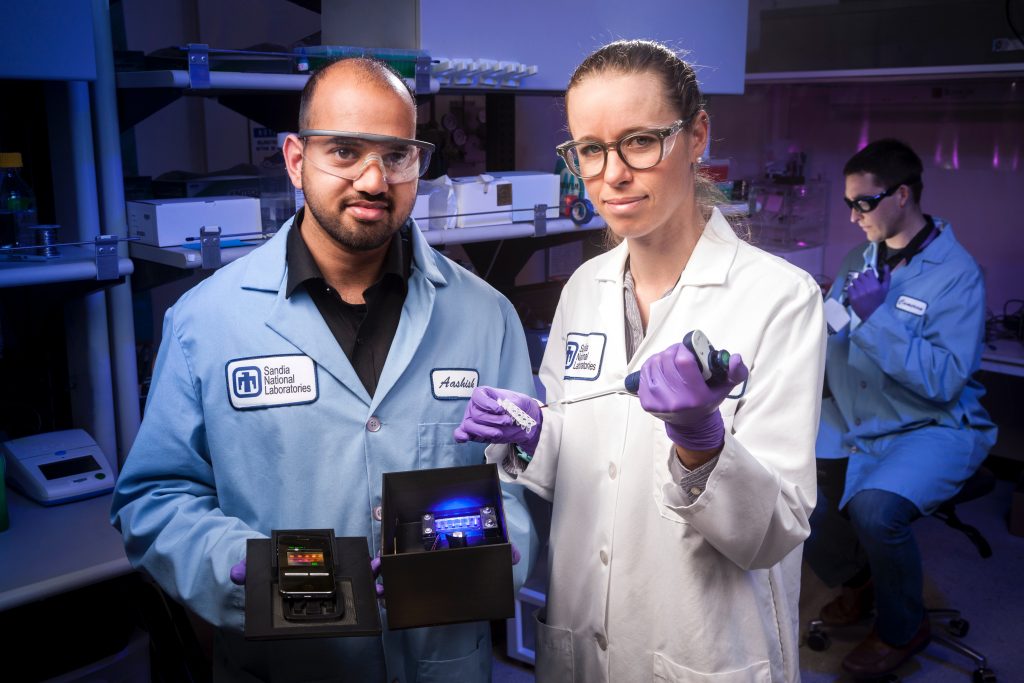
New data on Science, Technology, Engineering and Mathematics (STEM) occupations reveal the extent to which women are employed in this field across countries.