
Tech’s persistent gender gap

Tech’s persistent gender gap is well documented, but it might surprise you to learn that the gulf transcends national wealth and development lines.
At least 44’000 work stoppages since 2010

Effective social dialogue is a key means to promote better wages and working conditions. But when it fails, work stoppages may ensue. ILO data show that this has happened at least 44 thousand times since 2010.
Decent work and the SDGs: 11 charts that tell the story
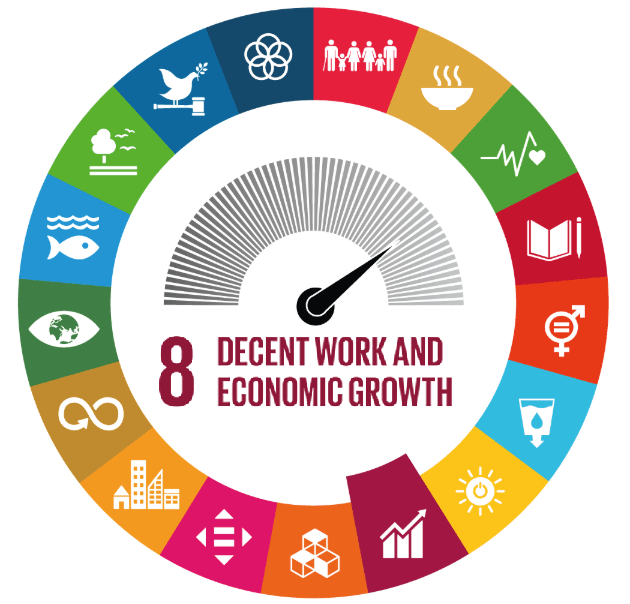
This visual essay provides an overview of the progress made towards decent work in the context of the 2030 Agenda for Sustainable Development.
Young people are far more likely to be in working poverty

When is a job not enough?
Not in employment, education or training: the reality for many young rural women
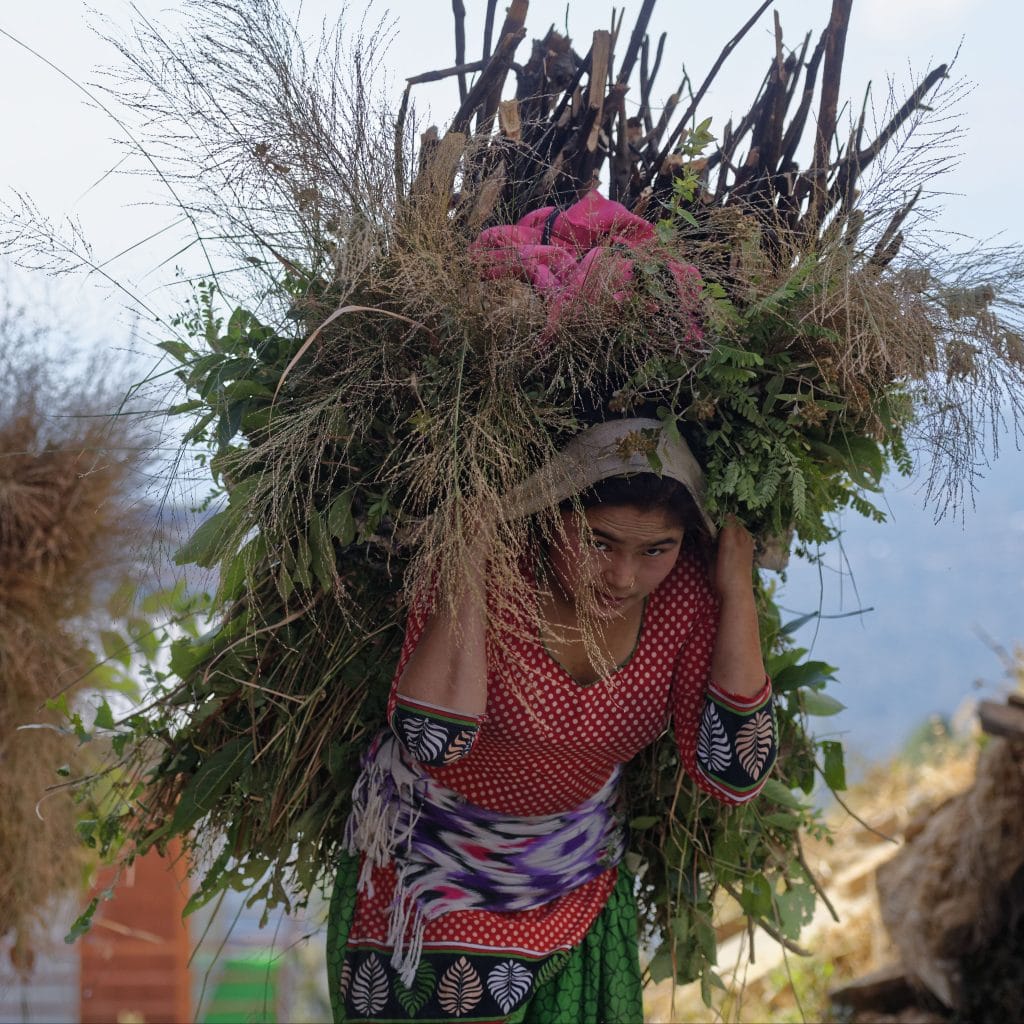
If you’re a young woman living in a rural area, you’re more likely to be out of employment and not in education and training.
These are the countries with the most teachers

Worldwide, there is large variation across countries in the number of teachers relative to the population. At one extreme, Iceland has 45 teachers for every 1,000 people. At the other extreme, the United Republic of Tanzania has only 2 for every 1,000 people.
From school to work: An analysis of youth labour market transitions

This brief presents an analysis of youth labour market outcomes, with a particular focus on two new school-to-work transition indicators published on ILOSTAT. It first introduces the new indicators. It then analyses the distribution of youth by stages of transition across a set of 60 countries for which the ILO has derived indicators from national labour force survey microdatasets.
Older workers are most discouraged in these countries

Australia and Chile, 13,000 kilometres apart, have one thing in common: discouraged older workers.
Persons outside the labour force: how inactive are they really?

Inactivity rates are increasing around the world, while the global population and labour force are ageing. But the inactivity rate is an aggregate measure overlooking the different profiles of people outside the labour force. This new Spotlight on Work Statistics explores the characteristics of the potential labour force, made up of persons outside the labour force with an attachment to the labour market.
Persons outside the labour force: How inactive are they really?
Inactivity rates are increasing around the world, while the global population and labour force are ageing. But the inactivity rate is an aggregate measure overlooking the different profiles of people outside the labour force. This Spotlight on Work Statistics explores the characteristics of the potential labour force, made up of persons outside the labour force with an attachment to the labour market.