
Note on the implementation of statistical standards from the 19th, 20th and 21st ICLS through household surveys
This note provides an overview of the requirements to apply the latest statistical standards through household surveys.
How population trends shape our workforce
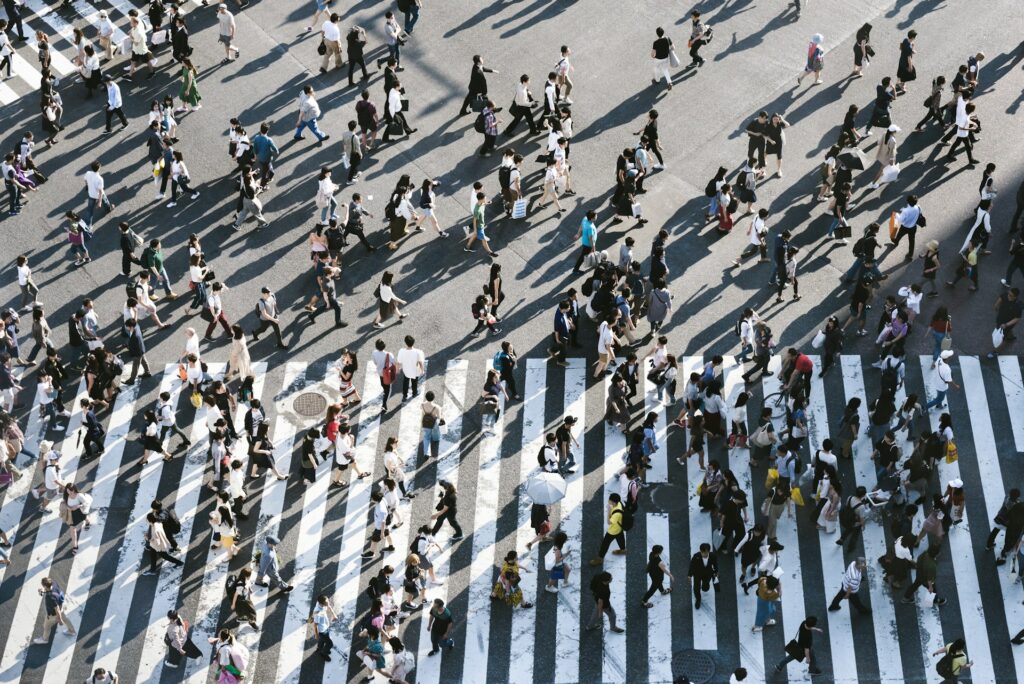
Ahead of this World Population Day (July 11), the ILO explores how population trends are transforming labour markets around the globe.
Advancing the measurement of care work and the care economy: a global consultation for new statistical standards

The ILO is launching a new work programme, at the request of its constituents, aimed at developing international statistical standards, definitions, and measurement frameworks for care work. This comes at a pivotal moment, at a time when there is unprecedented global, regional and national interest in care work and care economy.
Who powers the public sector?

Delve into the characteristics and working conditions of public servants delivering essential goods and services and the public sector’s impact on addressing labour market inequalities.
UN Collaborative on the Use of Administrative Data for Statistics
Current practices in measuring sexual orientation and gender identity in population censuses

Measuring sexual orientation and gender identity with official statistics is still a very new endeavour faced with many challenges, but legal and social advances are leading to the identification of these minorities in population censuses in more countries.
Women with young children have much lower labour force participation rates
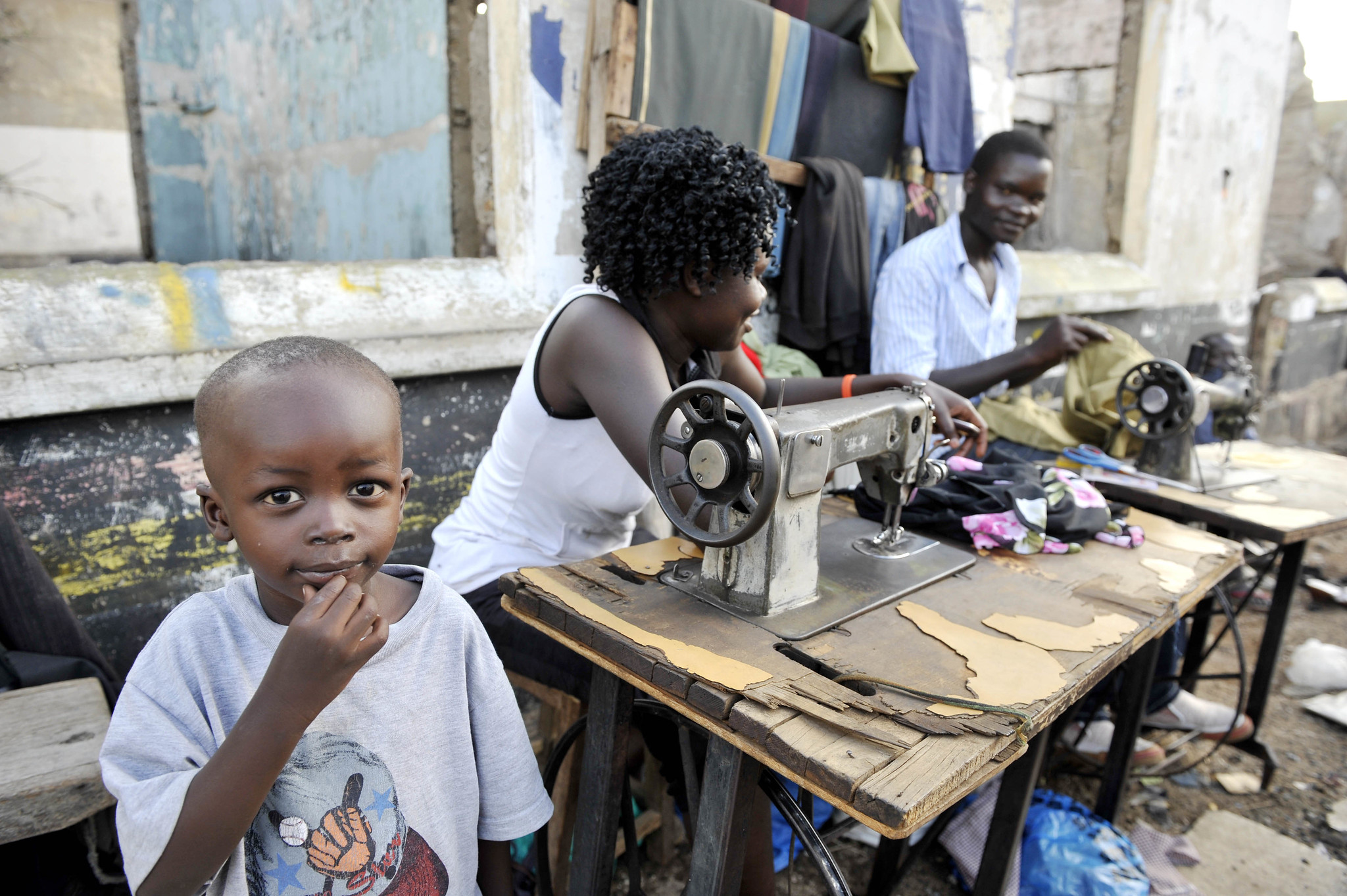
The disproportionate undertaking of childcare responsibilities by women explains a significant portion of the gender gap in labour force participation.
Safety in numbers: what labour inspection data tells us

Labour inspectors are fundamental to a country’s efforts to comply with labour standards, including safety and health. But the number of inspectors is getting smaller, while occupational accidents and diseases are on the rise.
Charting progress on the global goals and decent work

As the world faces a number of complex challenges, we examine key labour indicators to assess the impact of unprecedented crises in order to shed light on global trends and regional variations and their impact on our ability to realise the 2030 Agenda for Sustainable Development.
Women are more likely than men to want a job but not have one

Measures of joblessness that reflect the most urgent need for employment (such as unemployment) point to moderate differences between women and men. Yet, broader measures of joblessness point to much larger gender disparities – particularly in developing countries.