
The International Standard Classification of Occupations (ISCO-08) companion guide
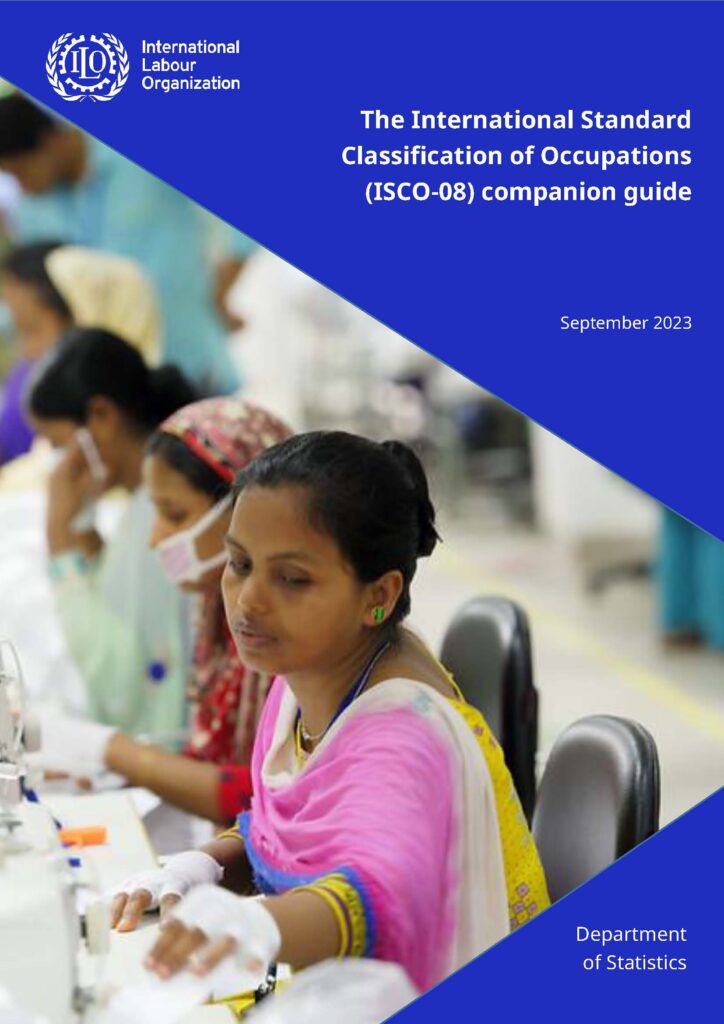
This companion guide provides guidance on the practical aspects of adapting ISCO-08 for national use or developing a national classification related to it.
How data can bolster decent work in the tourism sector
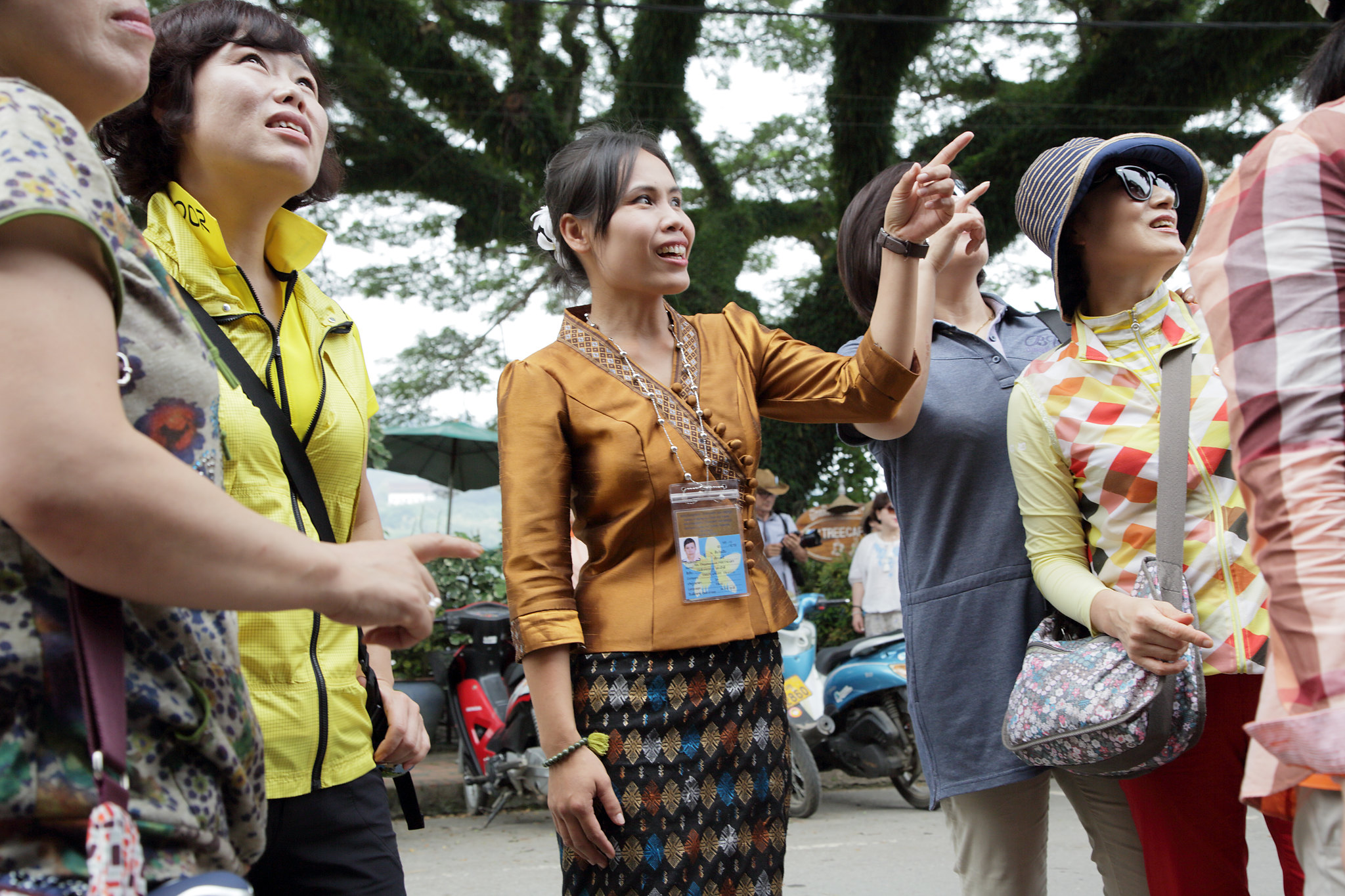
In-depth tourism employment data can provide valuable insights for shaping policies that benefit enterprises and improve the welfare of workers in the industry.
Equal pay for work of equal value: where do we stand in 2023?

Despite some progress, gender wage gaps persist and are even widening in some occupations. Gender wage gaps are not primarily attributable to differences in educational attainment, and in general do not narrow but rather often increase with age.
African youth face pressing challenges in the transition from school to work

More than 72 million youth in Africa are not in education, employment or training – the majority of them young women. Tackling youth inactivity and gender inequalities is essential if countries are to achieve Sustainable Development Goal 8 on decent work for all by 2030.
International Classification of Status in Employment (ICSE-18) manual

A resolution adopted at the 20th ICLS includes a new international classification of status in employment (ICSE-18). This manual describes the revised classification, how it differs from the previous version, and how to implement it in a household survey.
Youth skills: tackling challenges and seizing opportunities for a brighter future of work
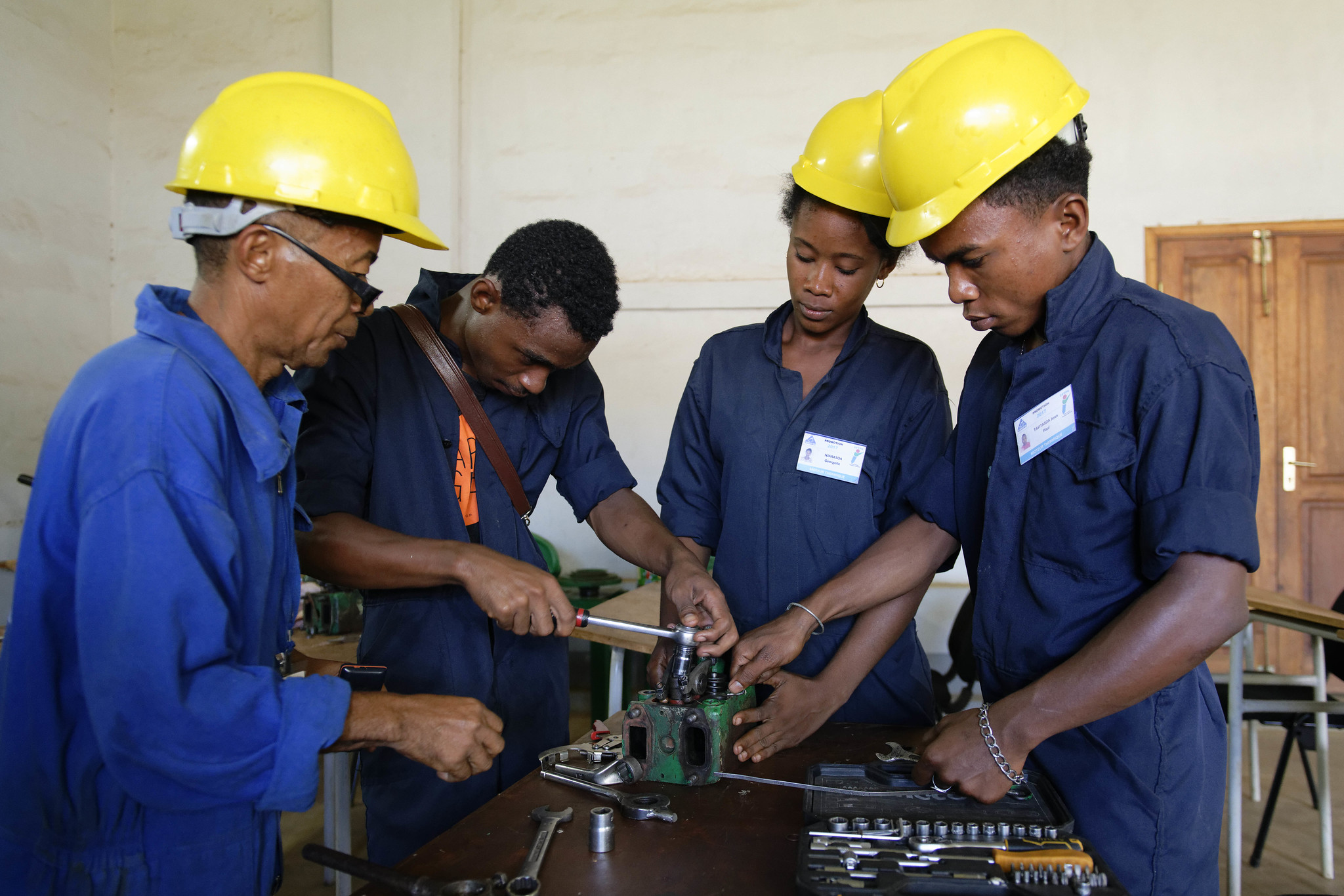
Leveraging the ILO’s microdata, an analysis of global labour market and occupational trends highlights strategies to strengthen skills development and boost the competitiveness, agility, and resilience of youth.
Micro and small enterprises: engines of job creation

Leveraging data from the ILO Harmonized Microdata collection, we take a deep dive to scope out micro and small enterprises around the world, to uncover industries where these job creators are rapidly growing and, with adequate support, can make a substantial contribution to decent work outcomes in the context of a just transition.
Nurses and midwives: overworked, underpaid, undervalued?

May marks both International Day of the Midwife and International Nurses Day – two groups of workers that play essential roles in any healthcare system. However, both professions – which are dominated by women – are characterised by long hours and low pay. So, what can be done to improve working conditions and help nurses and midwives deliver the best quality care to patients?
Beyond the numbers: exploring the relationship between collective bargaining coverage and inequality

Collective bargaining plays a key role in promoting decent work and improving working conditions. But what does the ILO’s industrial relations data show regarding the relationship between collective bargaining coverage, trade union density, and outcomes for workers? How can we assess the impact on workers’ lives?
ILO data highlights need for disability disaggregated labour force surveys and investment in data systems

Data on labour market disparities between persons with and without disabilities are essential to inform transformative policymaking and programming. Yet, analysis of ILOSTAT datasets reveal that many countries do not collect population-level data on disability status, hampering efforts to disaggregate labour market indicators. Investment in national data systems is needed to advance disability inclusion. This blog focuses on Africa, where we see progress toward more inclusive data systems in many countries, but gaps remain.