
Resolution concerning the methodology of the SDG indicator 8.8.2 on labour rights (including amendments)

Adopted by the 20th ICLS (2018), this resolution sets an internationally agreed methodology to measure indicator SDG 8.8.2 on labour rights consistent with the Resolution adopted by the United Nations General Assembly on Work of the Statistical Commission pertaining to the 2030 Agenda for Sustainable Development (A/RES/71/313), Annex taken on 6 July 2017.
Analytical publications

Find selected publications featuring ILOSTAT data.
Labour force survey (LFS) questionnaire toolkit
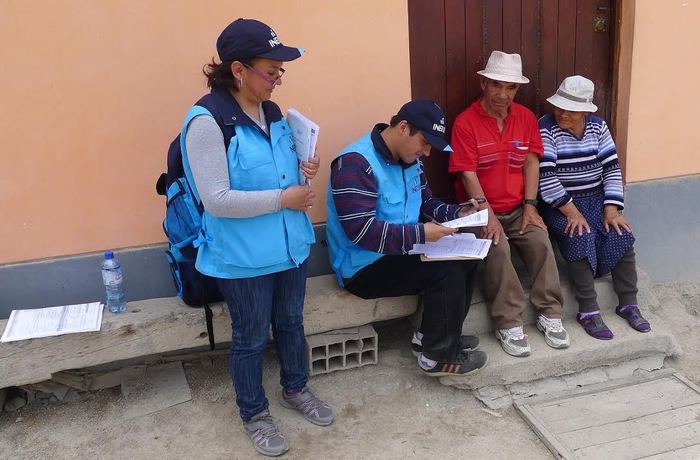
Online resources for data producers to build or improve their labour force survey, such as PAPI and CAPI model questionnaires.
Guidelines concerning statistics of international labour migration
Guidelines concerning statistics of cooperatives
Guidelines concerning measurement of qualifications and skills mismatches of persons in employment
Resolution concerning the methodology of the SDG indicator 8.b.1 on youth employment
Decent Work and the Sustainable Development Goals: A Guidebook on SDG Labour Market Indicators
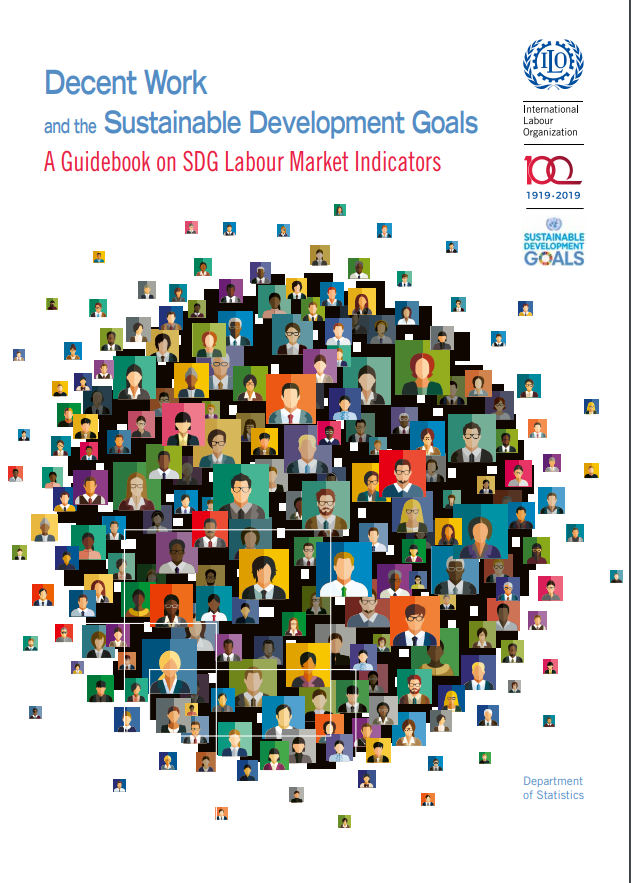
This Guidebook provides a detailed overview of the labour market indicators included in the Sustainable Development Goals Global Indicator Framework. It is intended to serve as a manual of best practices for calculating and interpreting the SDG labour market indicators, with a view to monitoring progress made at the national and international levels towards the achievement of the SDGs.
Avoiding unemployment is not enough

Discover the patterns around the world of unemployment and other forms of labour underutilization, including time-related underemployment, the potential labour force and over-education in Avoiding unemployment is not enough, the fourth issue of our series Spotlight on work statistics.
International labour migration statistics in South Asia: Establishing a subregional database and improving data collection for evidence-based policy-making
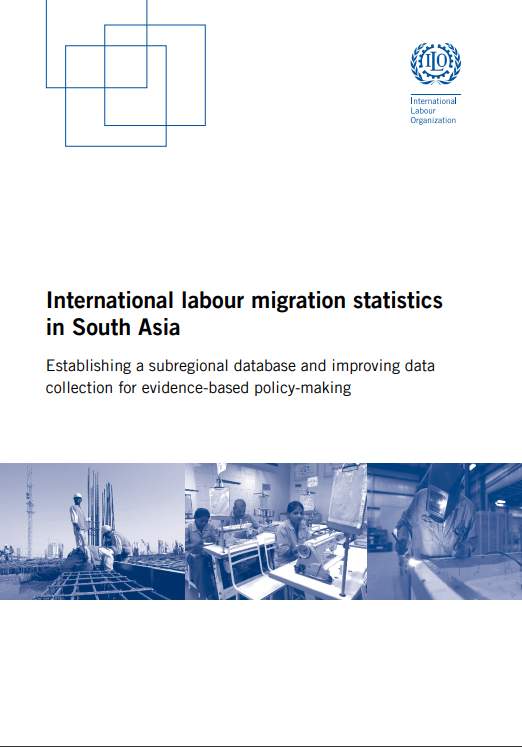
This report provides a comprehensive analysis of statistics related to extraregional labour migration of South Asian nationals, referring to those migrating outside of the subregion from the following eight countries: Afghanistan, Bangladesh, Bhutan, India, Maldives, Nepal, Pakistan and Sri Lanka. Where applicable and relevant to the statistical discussion, this report also includes conversations on developments and trends in extraregional labour migration, migrant worker attributes (such as sex, skill level, occupation, country of destination, method of recruitment and more) and associated thematic areas (such as remittances) in South Asia.