
UN Global SDG Indicators Database
ILO data highlights need for disability disaggregated labour force surveys and investment in data systems

Data on labour market disparities between persons with and without disabilities are essential to inform transformative policymaking and programming. Yet, analysis of ILOSTAT datasets reveal that many countries do not collect population-level data on disability status, hampering efforts to disaggregate labour market indicators. Investment in national data systems is needed to advance disability inclusion. This blog focuses on Africa, where we see progress toward more inclusive data systems in many countries, but gaps remain.
New ILO database highlights labour market challenges of persons with disabilities

There are an estimated 1 billion persons with disabilities around the world, or 15 per cent of the global population. Most of them are of working age. New labour market indicators are now available on ILOSTAT that reveal the many challenges faced by persons with disabilities compared with persons without when it comes to the world of work.
Disability Labour Market Indicators (DLMI database)

Concise description of concepts and definitions, uses, sources and limitations for the labour force statistics disaggregated by disability status.
Labour Market-Related SDG Indicators (ILOSDG database)

Concise description of concepts and definitions, uses, sources and limitations for labour market-related sustainable development indicators.
International Day of Persons with Disabilities: how disability affects labour market outcomes
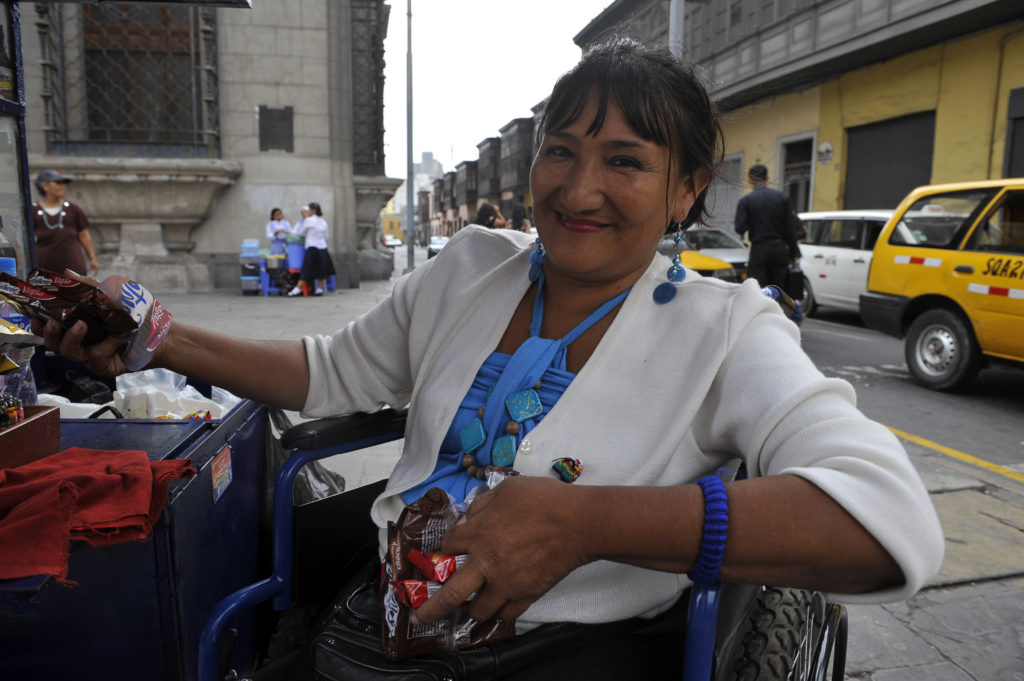
People with disabilities make up 15 per cent of the global population according to the World Report on Disability published by the World Health Organization and the World Bank in 2011. Yet, they are far from adequately represented in labour markets around the world.
How do people with disabilities fare in the labour market?

Finding work can be tough for people with disabilities. While the number of people with disabilities in the workforce has been rising in many countries, in part due to changing attitudes and improved legislation, if you have a disability, you’re still more likely to be out of work than a person who doesn’t.
Data

Get labour statistics from our comprehensive database with a tool that works for you. All tools provide free and open access to our data.
Labour statistics for the Sustainable Development Goals (SDGs)

The ILO is custodian for 14 SDG labour market indicators. This section of ILOSTAT provides access to these data, metadata, key trends, and more.
Decent Work and the Sustainable Development Goals: A Guidebook on SDG Labour Market Indicators
This Guidebook provides a detailed overview of the labour market indicators included in the Sustainable Development Goals Global Indicator Framework. It is intended to serve as a manual of best practices for calculating and interpreting the SDG labour market indicators, with a view to monitoring progress made at the national and international levels towards the achievement of the SDGs.