
Decent Work Reality Check: Informality Across the World of Work
Granular data confirm that informality is a systemic feature of labour markets across sectors and is strongly associated with employment vulnerability.
Unpacking informality: A multidimensional policy decomposition
This working paper presents a practical additive decomposition of informal employment, showing where policy action can reduce it. Applied to the case of Colombia, it identifies the main factors behind recent declines in informality.
The world of work and the 2030 Agenda: a ten-year review
When the world adopted the Sustainable Development Goals a decade ago, it pledged to achieve each one of them by 2030. With less than five years left, ILO data shows that much more is needed if we are to fulfil that promise.
Employment and Social Trends 2026

This report examines the state of global labour markets, highlighting stable headline employment alongside stalled progress in job quality and widening inequalities. The report analyses productivity, demographic and economic pressures shaping work in the year ahead and outlines the challenges to achieving more inclusive growth.
The State of Social Justice 2025
This report evaluates key indicators used to measure the global progress and ongoing challenges in achieving social justice, building on the premise of the ILO Constitution that “universal and lasting peace can be established only if it is based upon social justice”.
Informal employment rate
This snapshot presents global and regional trends along with the most recent country-level figures, based on the latest statistical standards and definitions adopted at the 19th International Conference of Labour Statisticians (ICLS) (ILO, 2013), as well as the previous standards from the 13th ICLS (ILO, 1982). In some cases, such as for high-income countries, these […]
Measuring informality
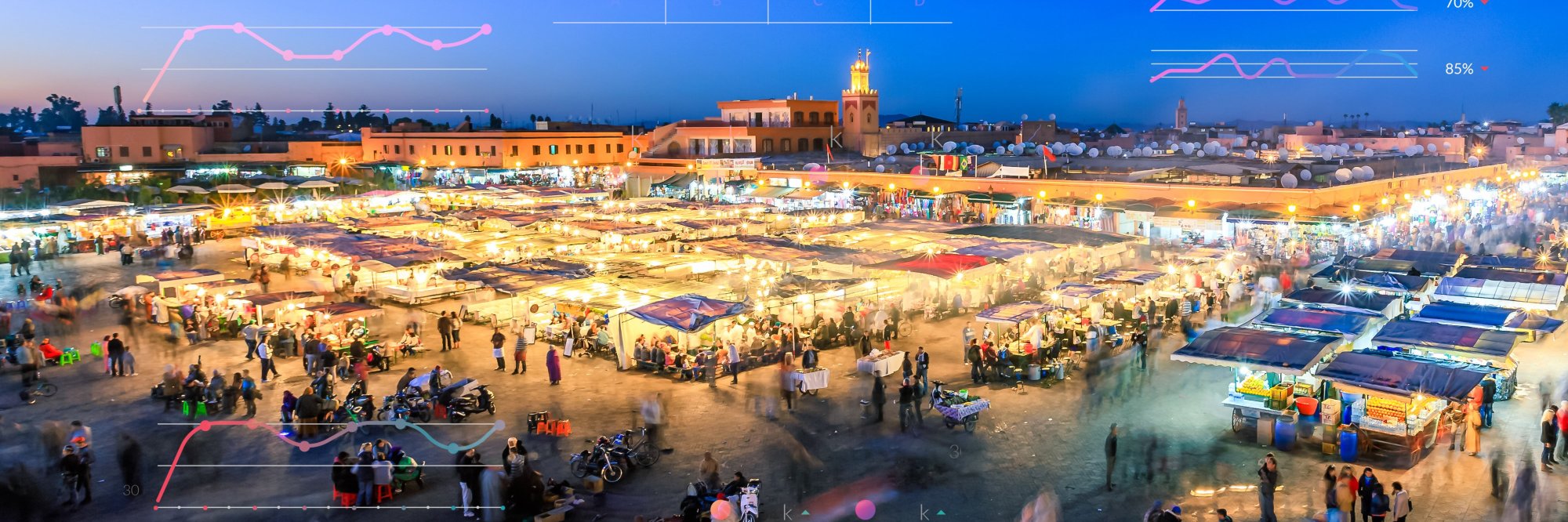
27 April–22 May 2026
Online (ITC E-Campus)
The course is designed for participants to better understand the functioning of the informal economy and the measurement of informality.
Survey Questions for Collecting Data on Work Relationships and Informality
This document provides recommended survey questions for collecting data on work relationships (ICSE-18), informal employment, and the classification of economic units across three sectors: informal, formal, and household own-use production and community sector. (HOC). It incorporates the 20th ICLS resolution on work relationships (ICSE-18) and the 21st ICLS resolution on statistics for the informal economy.
New statistical standards for improved measurement of the informal economy
Most employed people around the world are in the informal economy, which increases people’s vulnerability and puts national economies at risk. Through new statistical standards on the informal economy and improved data collection tools and methods, the ILO helps countries improve their measurement of informal employment to better understand the working lives and conditions of people with informal jobs.
The Reality of Informality
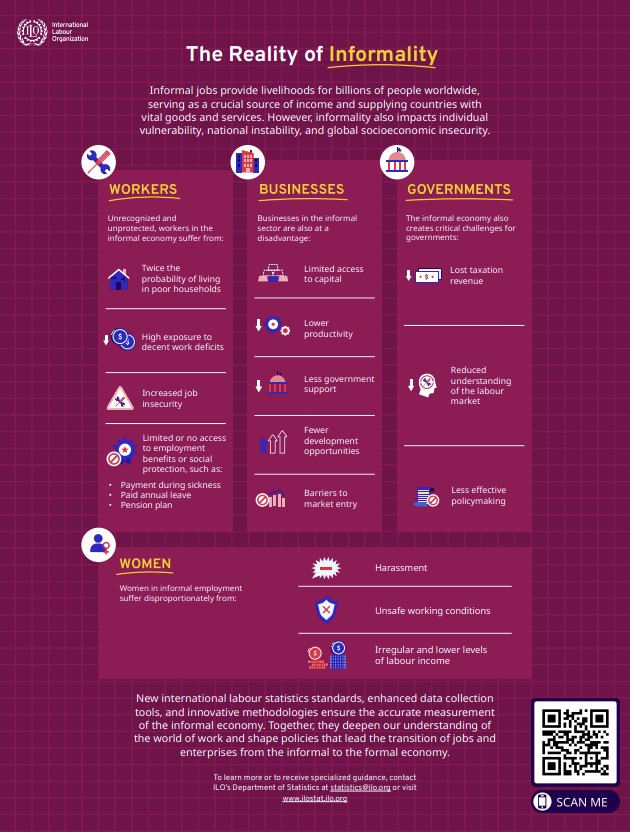
This infographic summarizes some of the key impacts of informality for workers, businesses, and governments.