
Elevate your labour statistics: Why Convention No. 160 is a must-ratify

Learn how the ratification of ILO Convention on labour statistics boosts national data systems and helps to shape policymaking that promotes decent work and social justice.
Strengthening labour statistics: Quick guide to C160 ratification and data reporting

This quick guide highlights the benefits of ratifying ILO Convention No. 160 on labour statistics and explains the ratification process as well as reporting obligations following ratification.
Statistics on social dialogue

This topic page on trade social dialogue provides access to statistical information including data, methods, and publications.
About SDG indicator 8.8.2
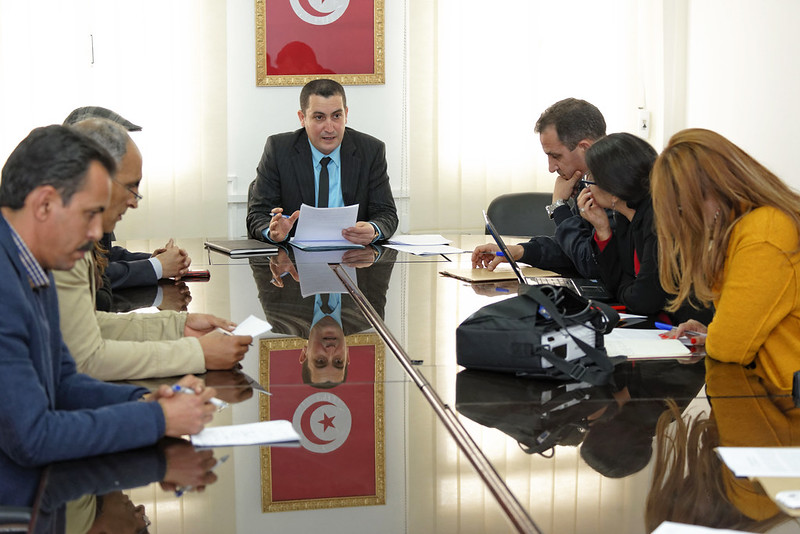
This page describes the methodology for SDG indicator 8.8.2, which measures the level of national compliance with freedom of association and the effective recognition of the right to collective bargaining for all ILO member states.
Guidebook on how and why to collect and use data on industrial relations

This guidebook is intended to support ILO’s tripartite constituents in the collection of data on industrial relations, including on trade union membership, on the coverage of collective bargaining agreements and on strikes and lockouts.
At least 44’000 work stoppages since 2010

Effective social dialogue is a key means to promote better wages and working conditions. But when it fails, work stoppages may ensue. ILO data show that this has happened at least 44 thousand times since 2010.
Industrial Relations Data (IRdata)

Concise description of concepts and definitions, uses, sources and limitations for indicators in the database Industrial Relations Data (IRdata), including collective bargaining and union membership.
ILOSTAT Home
Latest blog New global estimates reveal that 2.1 billion people volunteer monthly Topics Featured Sustainable development Child labour Unpaid work ILO sectors Labour supply Population and labour force Employment Unemployment and labour underutilization Working conditionsand labour rights Earnings, income and inequality Working time Safety and health at work Social dialogue Poverty and inequality Working poverty […]
Data

Get labour statistics from our comprehensive database with a tool that works for you. All tools provide free and open access to our data.
Decent work statistical indicators: strikes and lockouts statistics in the international context

Based on the analysis of the three major international programmes which aim at the regular publication of international labour disputes statistics, the author argues that currently the measure which best reconciles the number of days lost due to industrial action with the varying sizes of countries’ employed population and provides a reasonable basis for international comparisons is the rate of days not worked due to strikes and lockouts (per 1.000 employees).