Tackling work-related violence and harassment: What data from three pilot surveys in West Africa reveal
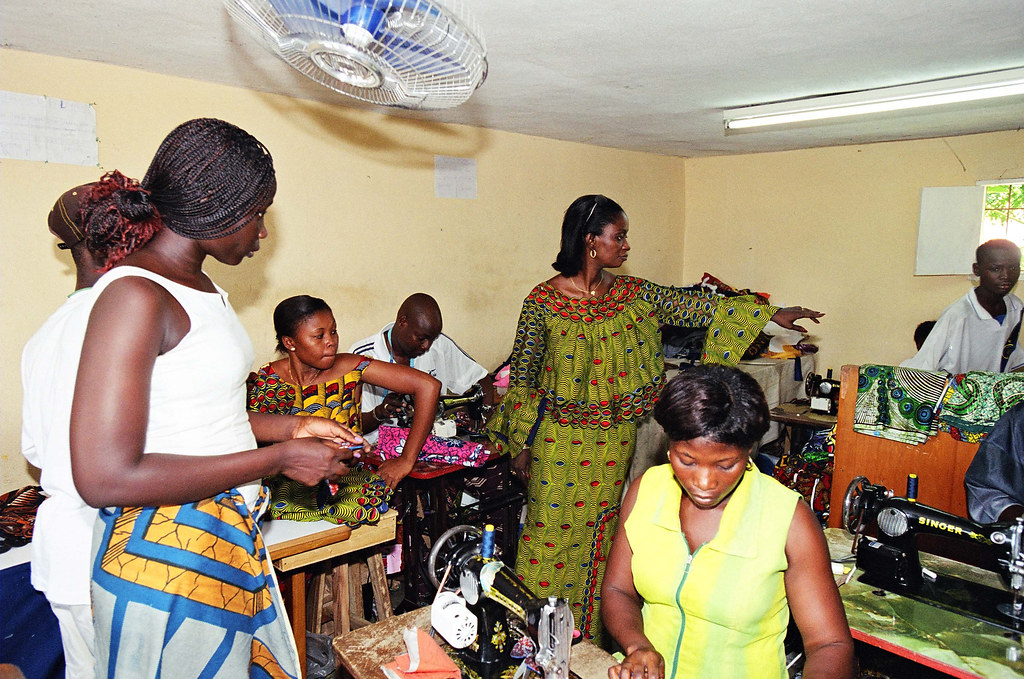
Initial results from pilot surveys in Burkina Faso, Côte d’Ivoire and Senegal reveal significant prevalence of violence and harassment at work. Psychological violence and harassment is the most common form, with women being particularly affected by sexual violence and harassment. These behaviours affect the mental and physical well-being of workers, calling for urgent action.
The impact of care responsibilities on women’s labour force participation

This brief provides a detailed overview and analysis of the new ILO global and regional estimates of persons outside the labour force due to care responsibilities.
Tracking the rebound in tourism employment

On World Tourism Day, we highlight the rebound in tourism employment and the ongoing data challenges. Discover how ILO and UN Tourism are working together to fill data gaps to improve our understanding of the labour market in this vital sector.
Beneath the surface: analyzing the maritime workforce

Plunge into the world of maritime employment, exploring trends, regional differences, and the diverse workforce within this vital sector.
World Social Protection Report 2024-26: Universal social protection for climate action and a just transition

This ILO flagship report provides a global overview of progress made around the world since 2015 in extending social protection, with a sharp focus on the climate crisis and the need for climate action to transition to a more sustainable world.
World Employment and Social Outlook: September 2024 Update

This brief focuses on the evolving relationship between labour and capital income, challenges facing youth in the current job market, and progress towards key SDGs as 2030 approaches.
Beyond the bin: Decent work deficits in the waste management and recycling industry

The waste management and recycling industry faces numerous challenges, including high rates of informality, low wages, and long working hours.
The true value of a paycheck: Understanding PPP-adjusted income statistics

Learn how the latest purchasing power parity (PPP) updates on ILOSTAT improve our ability to compare income-related statistics across countries, which is essential to having an accurate understanding of global economic disparities.
How population trends shape our workforce

Ahead of this World Population Day (July 11), the ILO explores how population trends are transforming labour markets around the globe.
Who powers the public sector?

Delve into the characteristics and working conditions of public servants delivering essential goods and services and the public sector’s impact on addressing labour market inequalities.