Social Dialogue Report 2022: Collective bargaining for an inclusive, sustainable and resilient recovery

This first edition of this new ILO flagship report focuses on collective bargaining.
Work Statistics – 19th ICLS (WORK database)
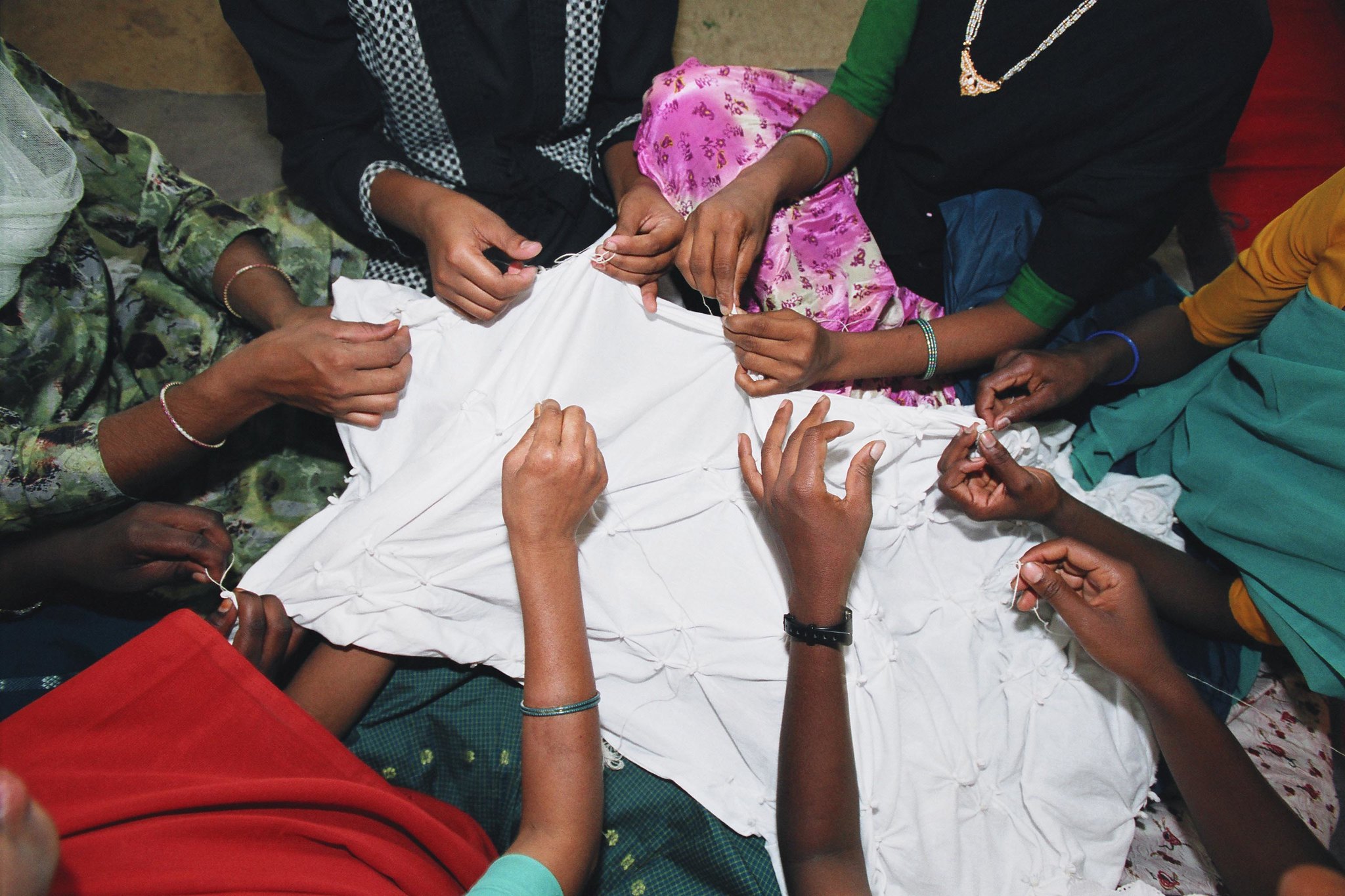
Concise description of concepts and definitions, uses, sources and limitations for (paid and unpaid) work statistics based on the 19th ICLS standards.
Youth Labour Market Statistics (YouthSTATS database)
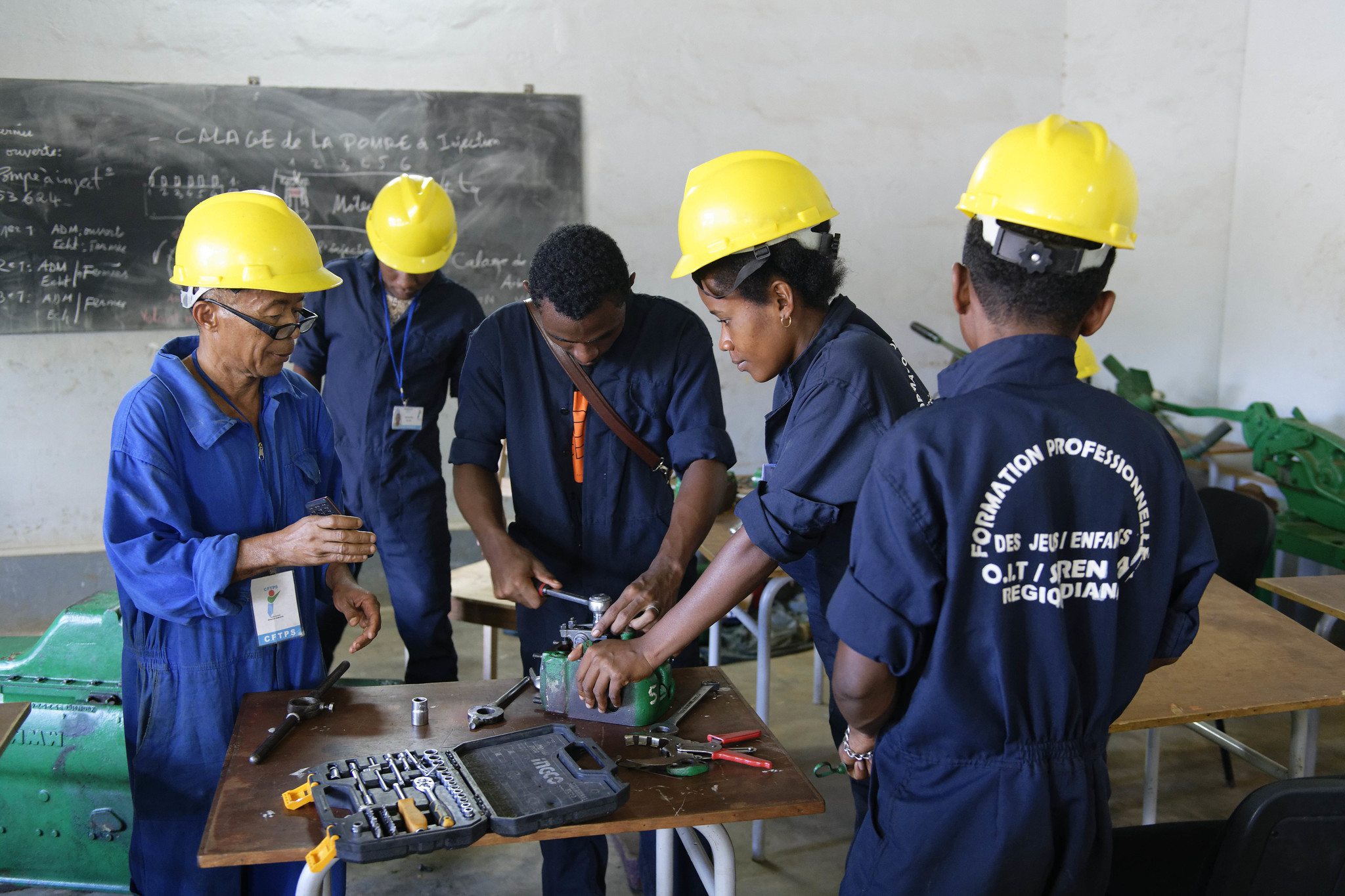
Concise description of concepts and definitions, uses, sources and limitations for labour force statistics focused on youth.
Disability Labour Market Indicators (DLMI database)

Concise description of concepts and definitions, uses, sources and limitations for the labour force statistics disaggregated by disability status.
Labour Market-Related SDG Indicators (ILOSDG database)
Concise description of concepts and definitions, uses, sources and limitations for labour market-related sustainable development indicators.
COVID-19 and the Sustainable Development Goals: reversing progress towards decent work for all
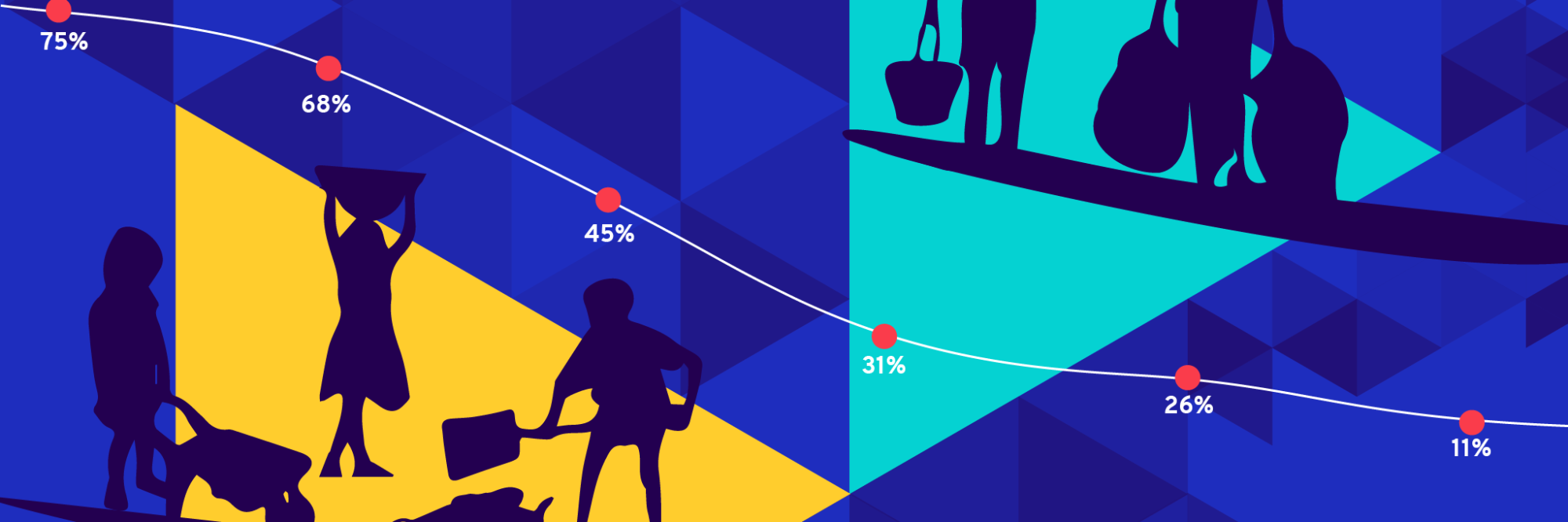
The pandemic wreaked havoc on people’s lives and societies, but how far did it set the global community back in reaching the SDG targets related to decent work and economic growth?
Measuring labour migration in ASEAN: Analysis from the ILO’s International Labour Migration Statistics (ILMS) Database

This report presents the latest statistics on international labour migration in ASEAN Member States, providing a comprehensive picture of the demographic profiles and work-characteristics of migrant workers in the labour markets of ASEAN countries of destination, as well as the flows of labour migration to and from the ASEAN region.
Over 2 million moms left the labour force in 2020 according to new global estimates

Released today, new global data covering 189 countries and territories expose the motherhood penalty faced by millions of women around the world in the midst of the COVID-19 pandemic.
Measuring migrant recruitment costs for SDG indicator 10.7.1

This free e-course is available on eCampus, ITCILO’s online learning platform.
This self-paced e-course on measuring migrant recruitment costs provides an overview on how to produce data on SDG Indicator 10.7.1 to track progress towards achieving safe, orderly, and regular migration. It covers global commitments, the definition of recruitment costs, data collection methods, indicator calculation, analysis, and reporting for informed decision-making.
Data collection and research on child labour and forced labour
This free masterclass is available on eCampus, ITCILO’s online learning platform.
You can learn at your own pace. Choose your learning path (i.e., a predetermined set of modules) or select only the modules of your interest. You can learn through a mix of bite-sized videos, detailed companion notes, short summaries, case examples, and quizzes; practice with some example datasets and Stata code files; and explore the complementary modules on human trafficking and migration.