
Labour statistics: From standards to data

This free masterclass is available on eCampus, ITCILO’s online learning platform.
Watch the 9 video lessons to hear directly from Senior Experts in the ILO Department of Statistics about the challenges and developments countries are facing nowadays in what concerns labour statistics, and how International Statistical Standards are instrumental in developing statistical systems global in order to pave the way for a better future that promotes social justice through decent work.
Why would labour productivity surge during a pandemic?
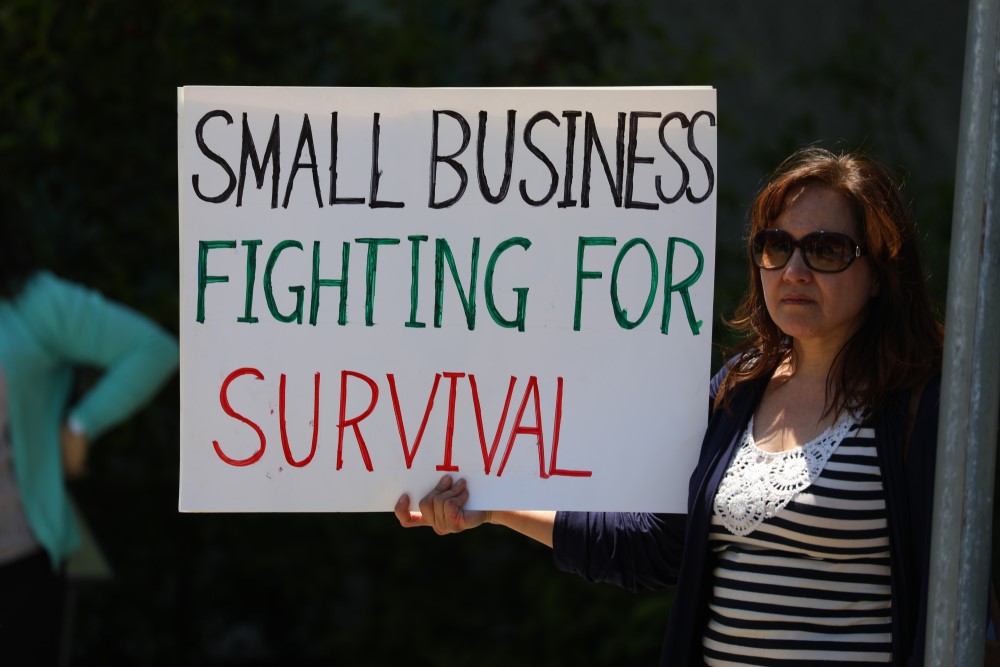
Labour productivity growth is generally associated with higher wages and better working conditions. In the longer term, increased productivity is key to economic development. But how should we interpret productivity trends during a pandemic? Does faster productivity growth mean that firms and workers are actually better off?
What to know when comparing data on women and men’s work
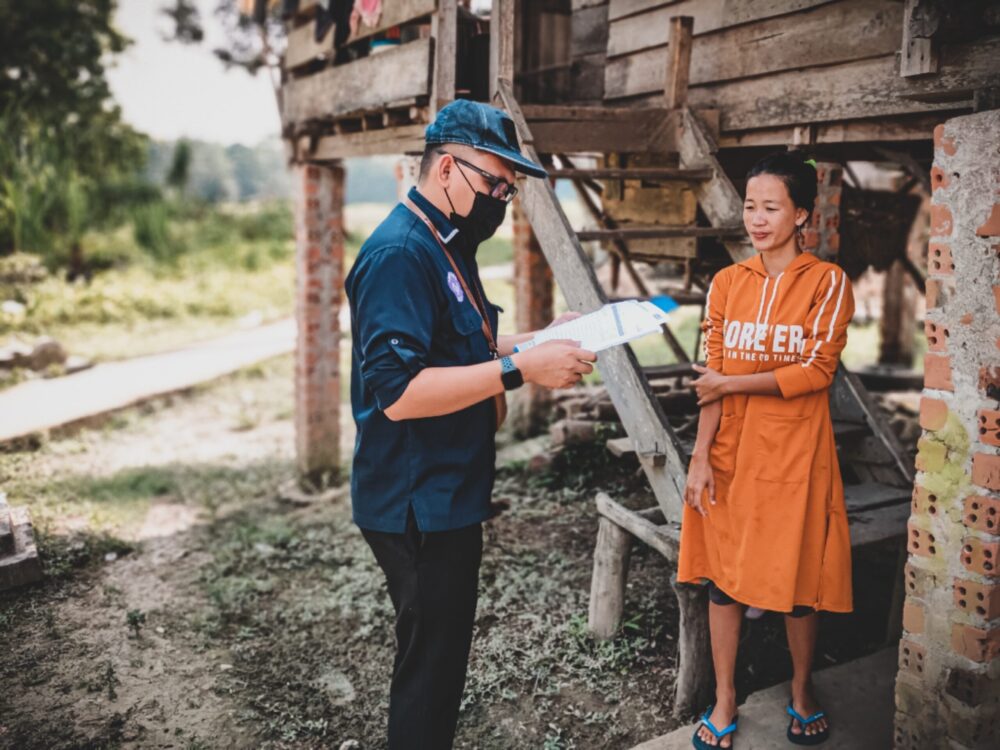
How many men and women were employed last week? How many hours did they work in their main jobs? And how many hours did they work in unpaid activities such as caring for children? These are seemingly straightforward questions but measuring paid and unpaid work through household surveys is anything but straightforward. This holds true especially for women in developing countries, who are more often engaged in informal activities such as microenterprises or small-scale farming — activities that can fall through the cracks of traditional surveys.
Global review of impacts of the COVID-19 pandemic on labour force surveys and dissemination of labour market statistics

In March 2021, the ILO undertook a global survey of national data producers to understand the impacts of the pandemic on their statistical operations particularly in the domain of labour statistics.
Keeping labour data flowing during the COVID-19 pandemic
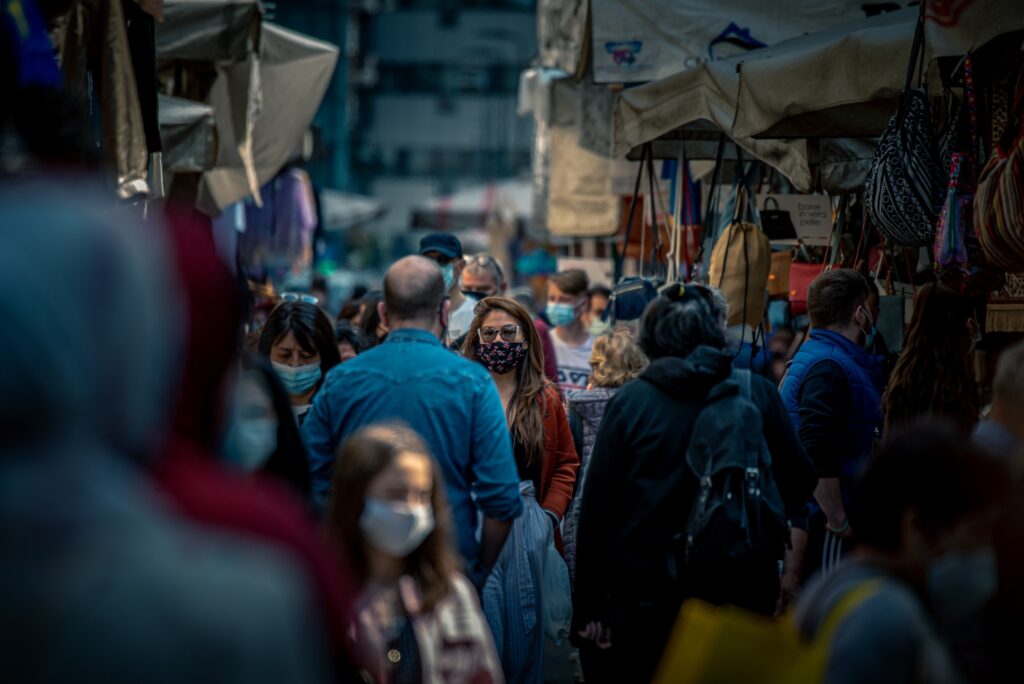
Losing the ability to collect data may not be one of the more obvious negative effects of the COVID-19 pandemic. However, nearly all countries in the world found it difficult to gather data precisely when demand was highest. A recent global survey by the ILO has highlighted just how great the impact was on the production of labour statistics and how countries responded to meet user needs for data.
Measuring volunteer work self-learning course

In this self-paced course, also available in French, Spanish, Arabic and Russian, you will learn about the latest international standards on the statistical measurement of volunteer work; and how to apply the ILO survey tools to generate headline indicators on volunteer work. If it is the first time you access the ITC eCampus platform, click on CREATE NEW ACCOUNT and follow the instructions.
Only half of workers worldwide hold jobs corresponding to their level of education

Over the years, considerable effort has been invested in improving the educational attainment of people worldwide, especially as part of the implementation of the Millennium Development Goals and the Sustainable Development Goals. However, the enormous progress achieved in raising levels of education, especially among women and girls, has not translated into corresponding improvements in labour market outcomes.
Building Forward Fairer: Women’s rights to work and at work at the core of the COVID-19 recovery

This policy brief provides an outlook of where women stand in the labour market after more than a year into the COVID-19 pandemic.
Child Labour Statistics (CHILD database)

Concise description of concepts and definitions, uses, sources and limitations for the Child Labour Statistics (CHILD) database.
Volunteer work measurement guide
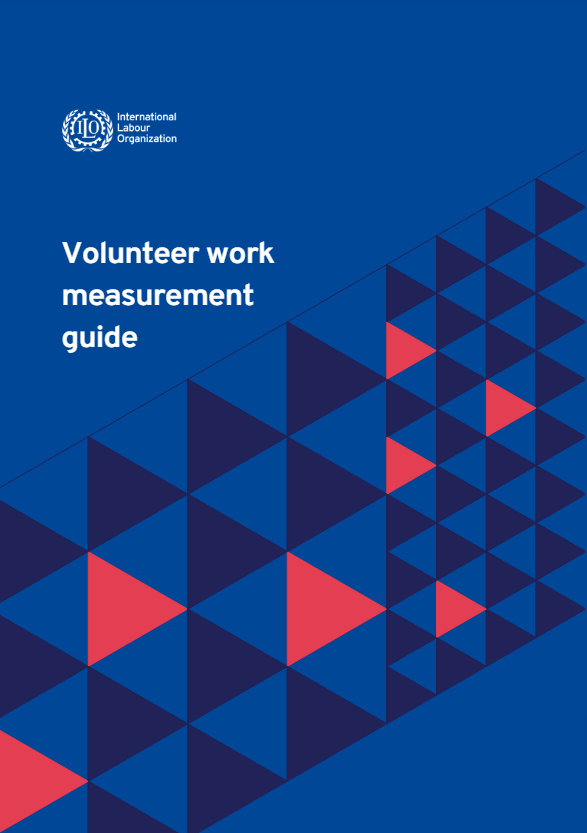
The guide provides survey designers with the latest ILO tools and recommendations to produce statistics on volunteer work in line with the current international standards.