
International Labour Migration Statistics (ILMS database)
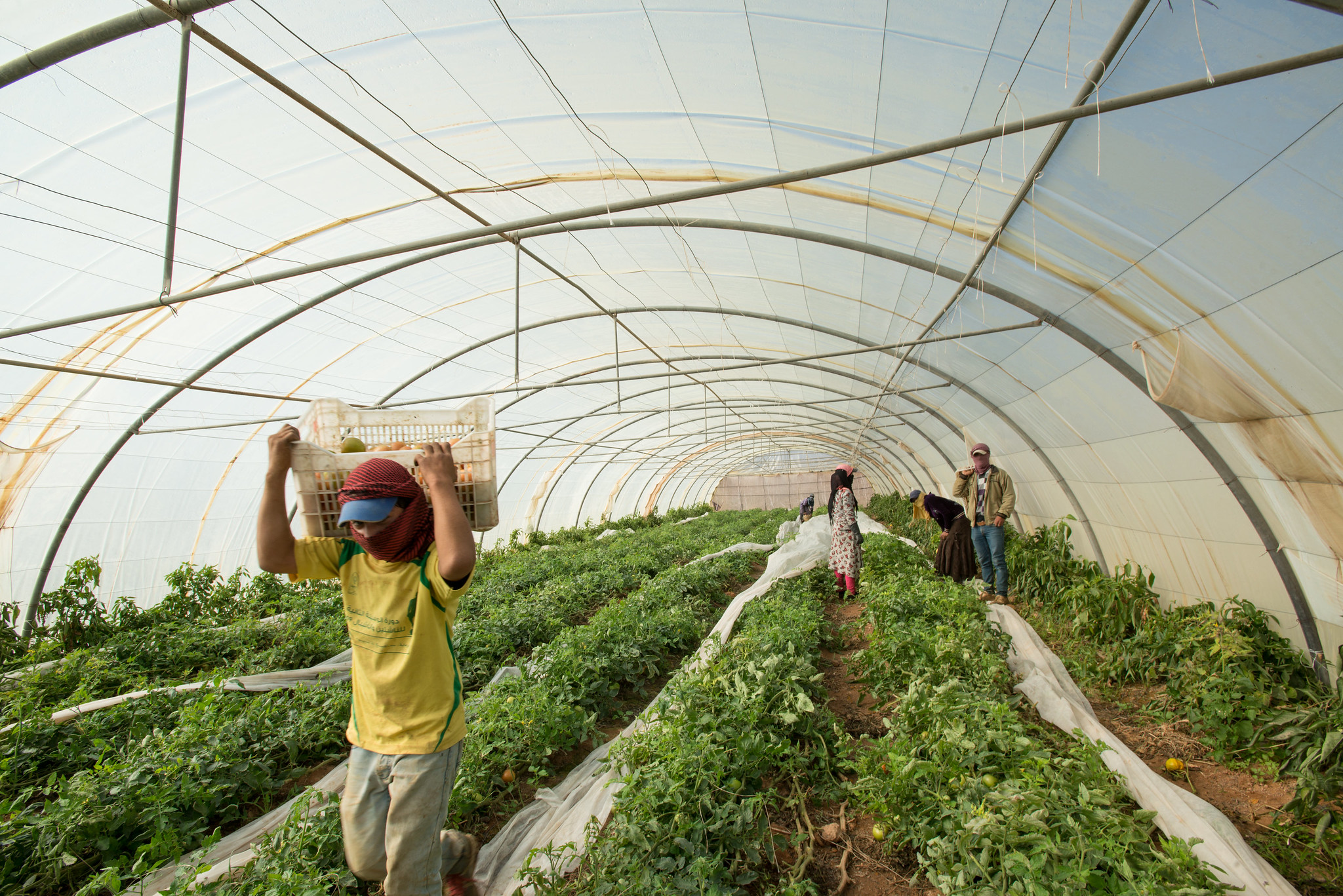
Concise description of concepts and definitions, uses, sources and limitations for international labour migration statistics, including stocks and flows.
Spotlight on SDG 8: The impact of marriage and children on labour market participation
This publication, drawing on a global dataset and new indicators developed by the ILO and UN Women, shows that women’s employment is shaped by domestic and caregiving responsibilities in ways that men’s is not.
Defining and measuring remote work, telework, work at home and home-based work
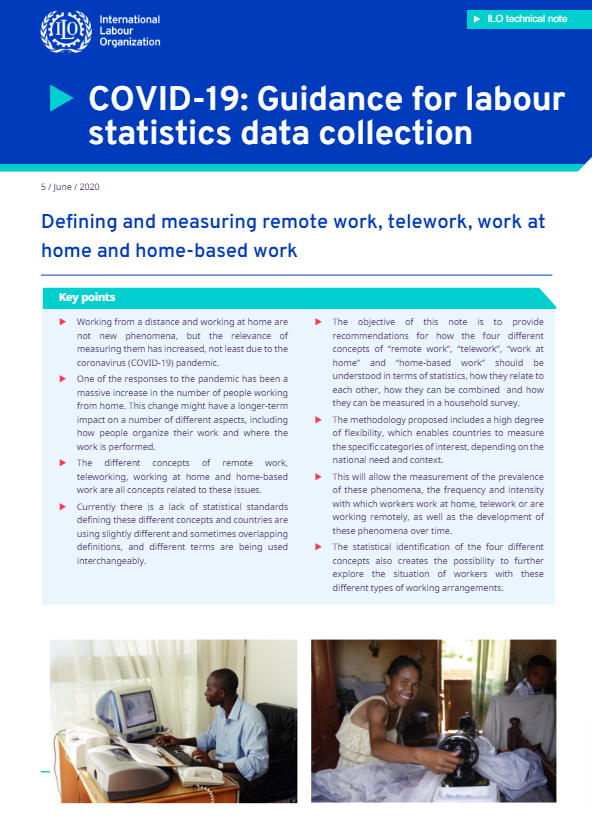
Working from a distance and working at home are not new phenomena but the relevance of their measurement has increased, not least due to the Covid-19 pandemic. This notes provide guidance to data producers on how the four different concepts of remote work, telework, work at home and home-based work should be statistically understood, how they relate to each other, and how they can be measured through a household survey.
Conceptual framework for statistics on work relationships

Capturing impacts on employment and unpaid work using Rapid Surveys

Lack of data on how households and workers are being impacted by the pandemic can severely affect the formulation of programmes and policies aimed to help those most in need. In times of crisis, rapid surveys may be an alternative source of information where official household surveys such as LFS have been halted or postponed. This note provides modules for rapid surveys to shed light on the COVID-19 impacts on paid and unpaid work.
International Day of Families: how marital status shapes labour market outcomes
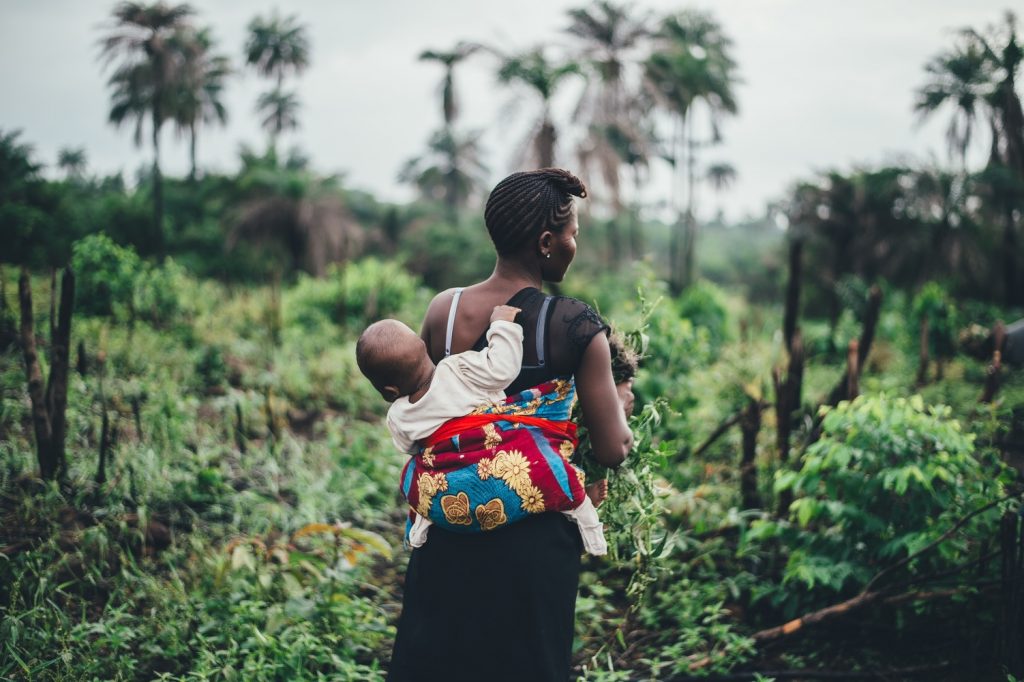
Married life still has a gendered effect on women and men’s labour market outcomes, including their labour force participation, the type of jobs they hold and the forms of labour underutilization they are exposed to.
COVID-19 impact on labour market statistics
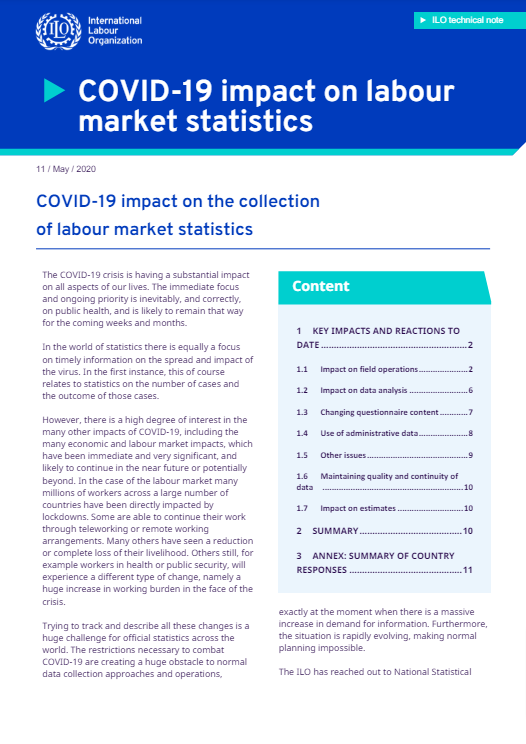
The restrictions necessary to combat COVID-19 pose a huge obstacle to data collection operations, precisely when there is a massive increase in demand for information. The ILO reached out to national data producers to understand the impacts of the pandemic on their statistical operations particularly in the domain of labour statistics. Last update: May 2020
How COVID-19 is changing the world: a statistical perspective

This report provides a snapshot of some of the latest information available on how COVID-19 is affecting different aspects of public and private life. It also provides a glimpse into the challenges facing national statistical offices. At a time when statistics are most needed, many statistical systems are struggling to compile basic statistics, highlighting once again the need to invest in data and statistics, and the importance of having modern national statistical systems and data infrastructure.
COVID-19 and the new meaning of safety and health at work
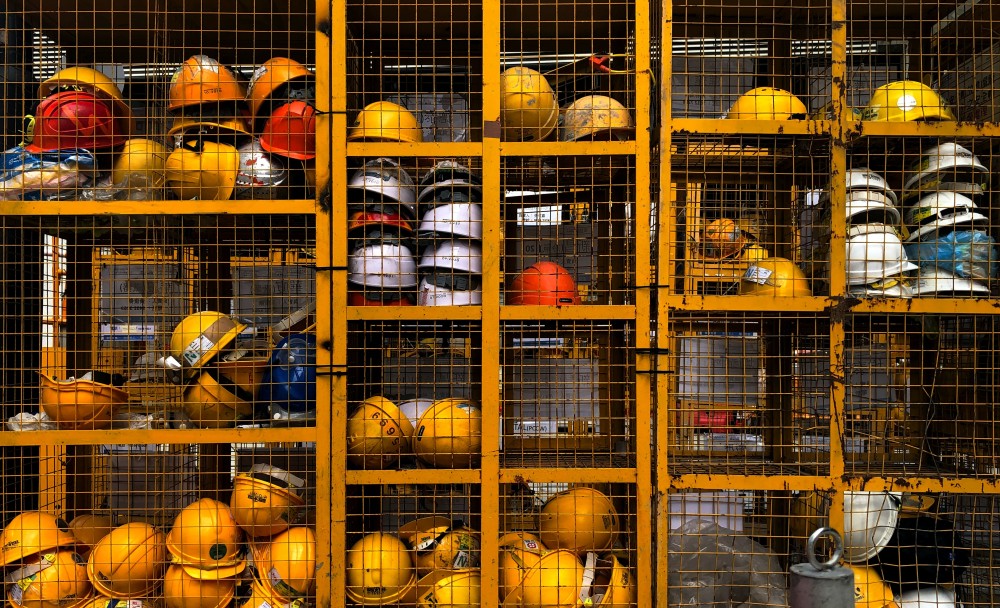
In the context of the COVID-19 pandemic, occupational safety and health takes on even greater importance. It is a core aspect of decent work, and as such, it should be universally guaranteed. Yet, too many work accidents still take place every year. Work accidents have a significant human, social and economic cost, which we should strive to eliminate by ensuring that all workplaces are safe and healthy.
Guidance to data producers to maintain labour force survey data collection
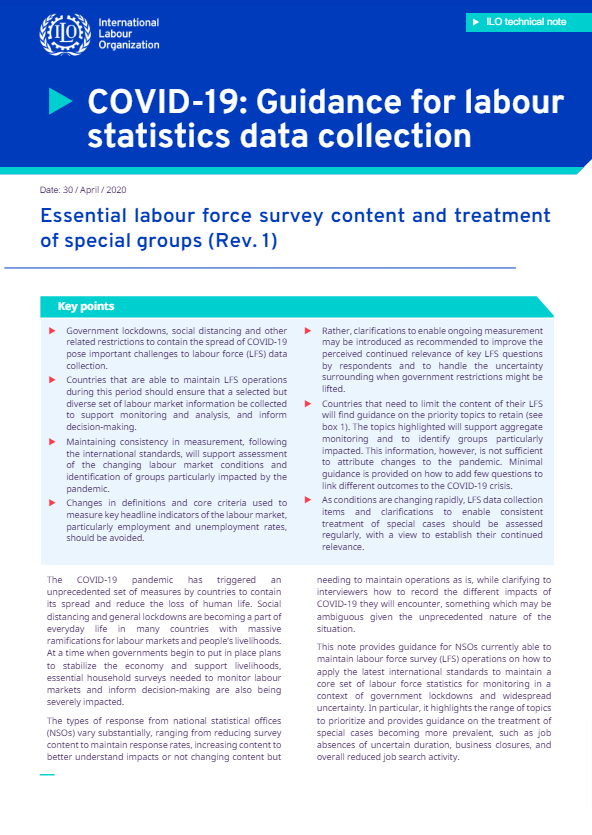
The most immediate impact of the pandemic on LFS data collection for most countries is the suspension of face-to-face interviewing. This note provides guidance to countries on the range of options available and challenges to deal with in order to change their data collection approach and maintain continuity in data availability.