
COVID-19 Guidance for labour statistics data collection: Consumer Price Indexes
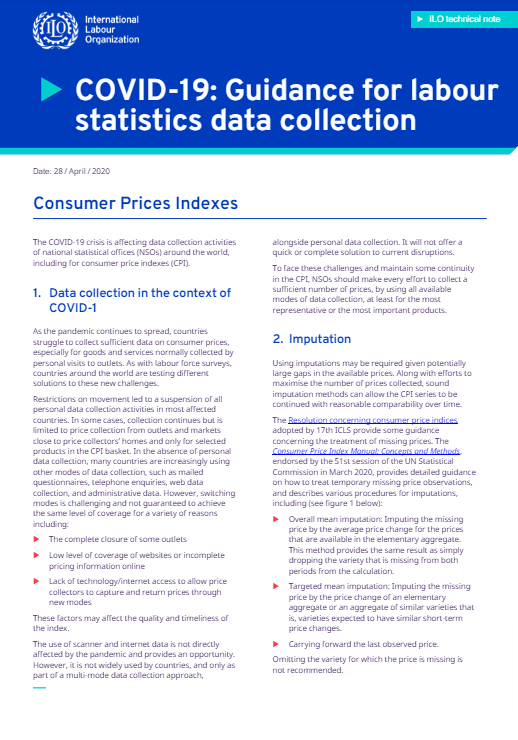
The COVID-19 crisis is affecting data collection activities of national statistical offices (NSOs) around the world, including for consumer price indexes (CPI).
Catalogue of ILOSTAT sources

This catalogue of national data sources presented in ILOSTAT provides an overview of worldwide sources available for labour statistics.
Will COVID-19 impair the availability and quality of labour statistics?
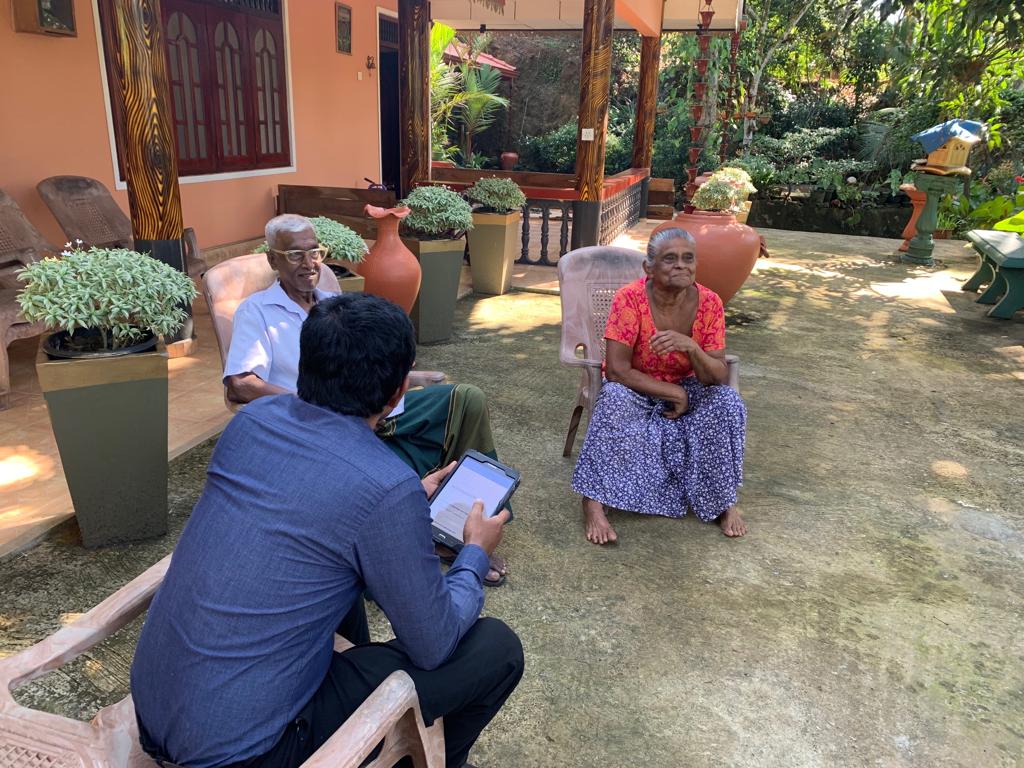
The pandemic is radically impacting our lives. But what about the statistics used to assess those impacts? Without timely and accurate information, we will not act through adequate and informed policies. Though numbers should focus on the health of the population, we also need to understand what is happening in the domain of labour statistics. That is, how is COVID-19 affecting our working lives? What is less obvious, however, is that the pandemic is also affecting our ability to compile such statistics.
Essential labour force survey content and treatment of special groups
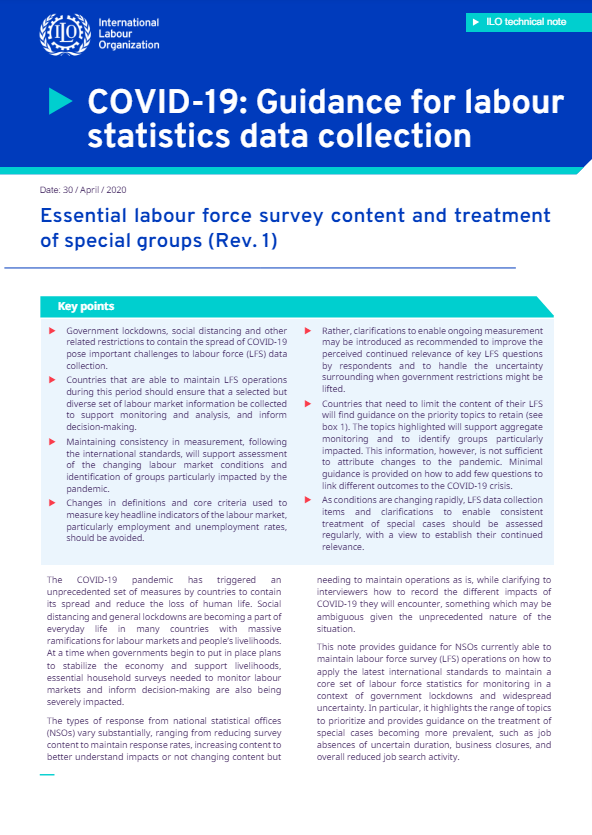
International standards are still sound reference, but due to this unprecedented pandemic, this note provides guidance to data producers to maintain labour force survey (LFS) operations. It highlights the range of topics to prioritize in national LFS and suggested clarifications to support consistent treatment of special cases becoming more prevalent, such as job absences of uncertain duration, business closures, and overall reduced job search activity.
COVID-19: are there enough health workers?
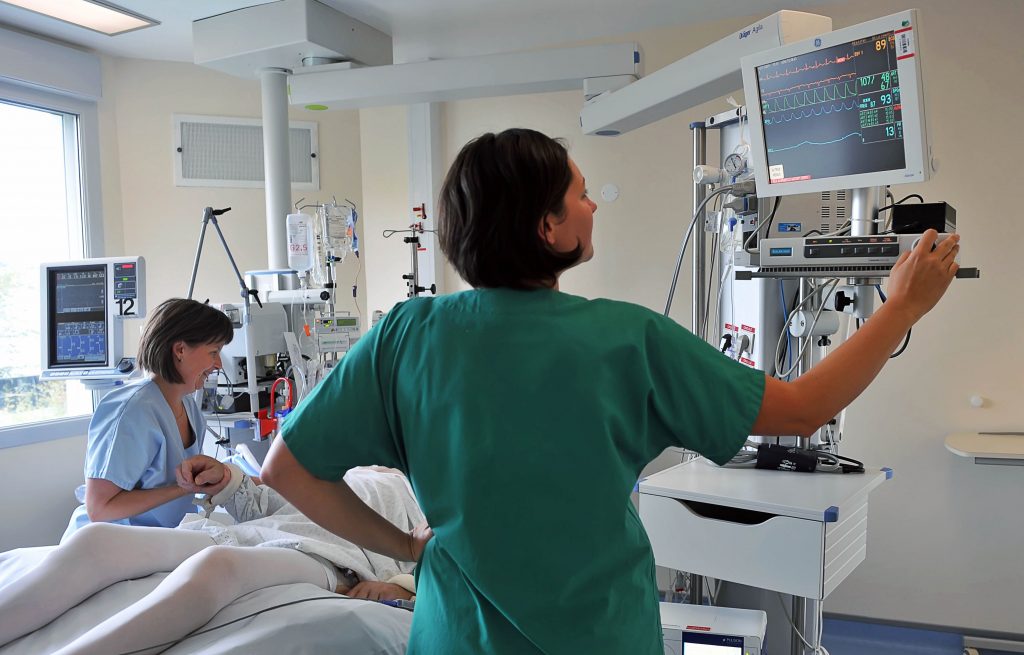
As the COVID-19 crisis puts pressure on health services across the globe, ILOSTAT data highlights the already existing shortages of health workers.
COVID-19

This page discusses the impact of the pandemic on labour markets and the collection of labour statistics. It features guidance for data producers.
“I am Generation Equality”: ideals versus reality in Asia and the Pacific’s labour markets
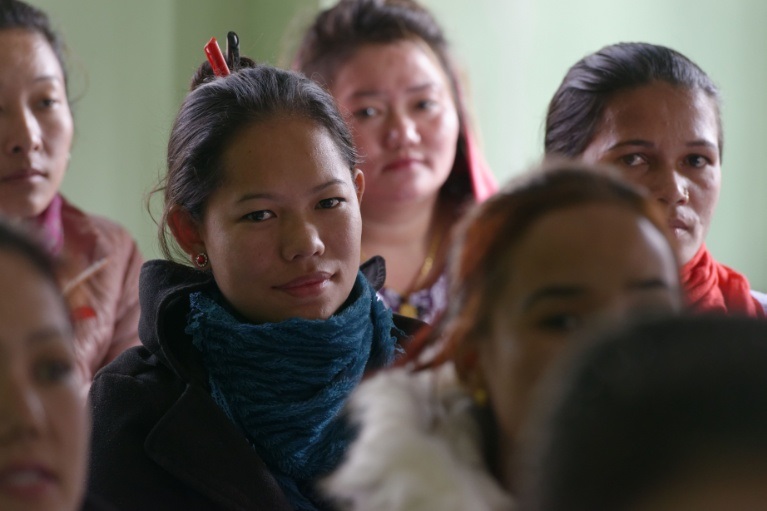
In 1995, an ambitious and progressive plan to improve empowerment of all women and girls globally was developed at the historic Fourth World Conference on Women. Since then, a new generation of women workers have become eligible to enter the workforce; but have they been able to find equal work and pay?
Guidebook on how and why to collect and use data on industrial relations

This guidebook is intended to support ILO’s tripartite constituents in the collection of data on industrial relations, including on trade union membership, on the coverage of collective bargaining agreements and on strikes and lockouts.
These occupations are dominated by women

What do girls and boys dream of doing when they grow up? Occupations like firefighter, astronaut, doctor and pilot might top the list, but what’s the reality?
Having kids sets back women’s labour force participation more so than getting married

Around the world, gendered social norms continue to shape women’s and men’s participation in the labour market, new data by household composition show.