
Safety in numbers: what labour inspection data tells us

Labour inspectors are fundamental to a country’s efforts to comply with labour standards, including safety and health. But the number of inspectors is getting smaller, while occupational accidents and diseases are on the rise.
Charting progress on the global goals and decent work

As the world faces a number of complex challenges, we examine key labour indicators to assess the impact of unprecedented crises in order to shed light on global trends and regional variations and their impact on our ability to realise the 2030 Agenda for Sustainable Development.
Women are more likely than men to want a job but not have one

Measures of joblessness that reflect the most urgent need for employment (such as unemployment) point to moderate differences between women and men. Yet, broader measures of joblessness point to much larger gender disparities – particularly in developing countries.
Behind the mic: exploring employment patterns in radio broadcasting

Radio broadcasting is an industry with a rich history and valuable contribution to human connection, to the sharing of knowledge, information, and culture. It is an industry that has persisted despite many changes and challenges, particularly related to consumer demand and technological transformation, demonstrating an impressive ability to adapt and remain relevant. On this World Radio Day, we take a deep dive into data derived from the ILO Harmonized Microdata Collection, to gain a better understanding of how trends are reshaping the employment landscape in this remarkable industry.
Unpaid Domestic and Care Work Social Media Kit
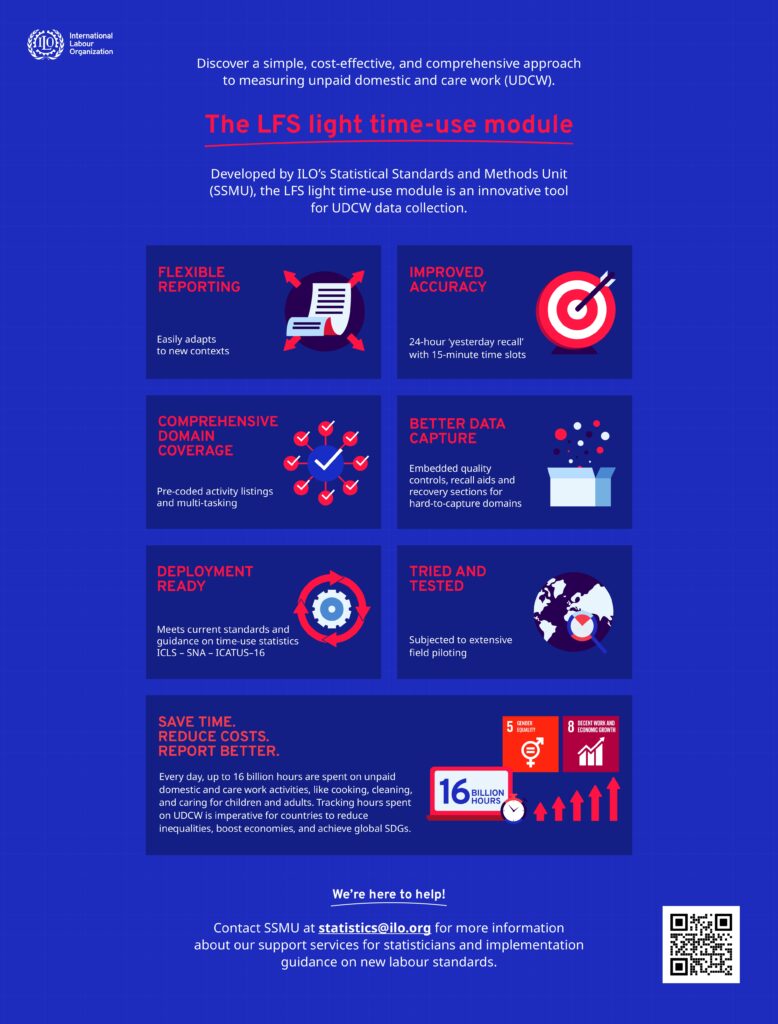
These communication materials are designed to support outreach and dissemination on unpaid domestic and care work.
Insights into youth participation in work-based learning
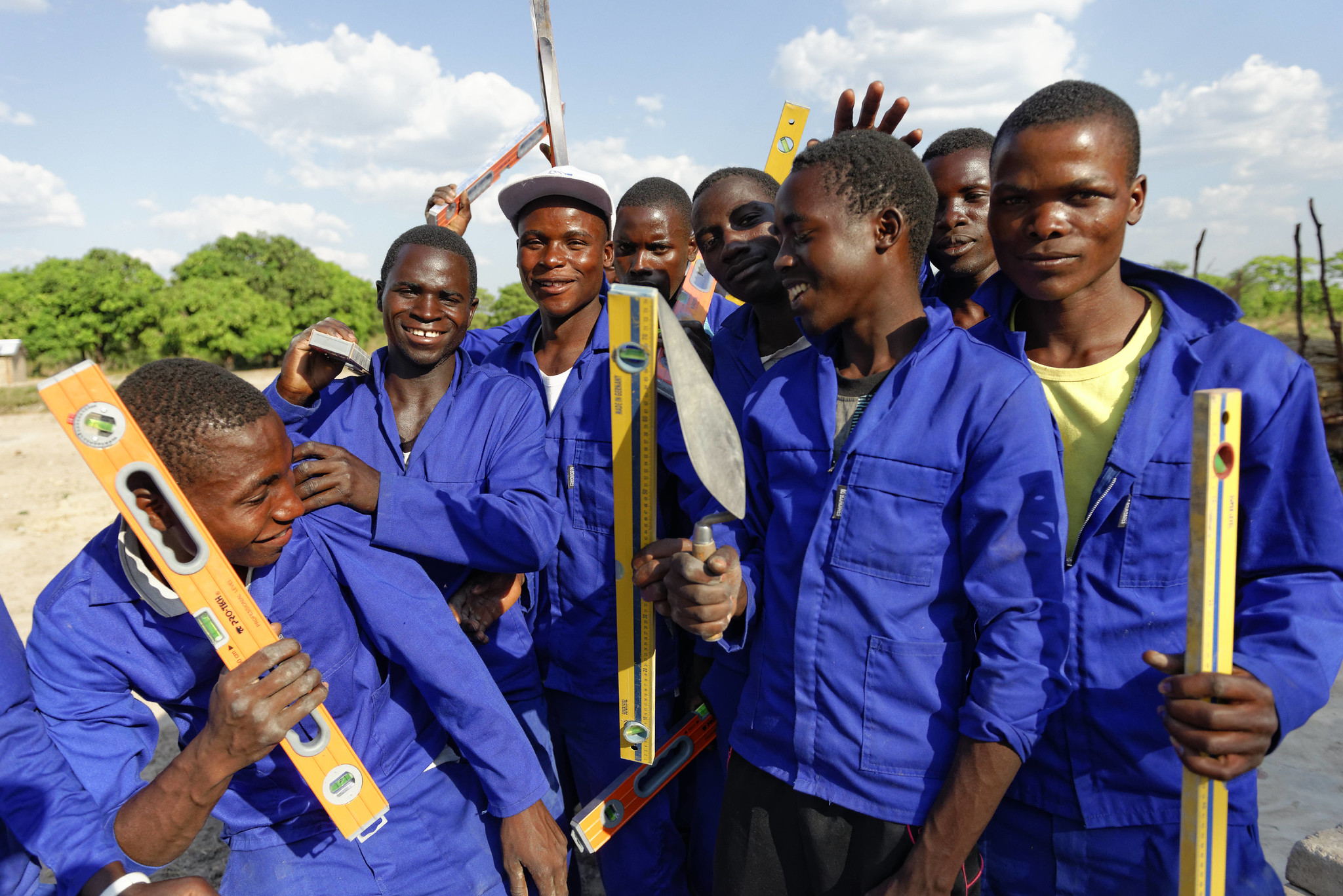
The ILO has released new indicators on work-based learning (WBL) and vocational education, offering statistical insights into youth participation in various forms of WBL including apprenticeships.
The unseen workforce behind wastewater management
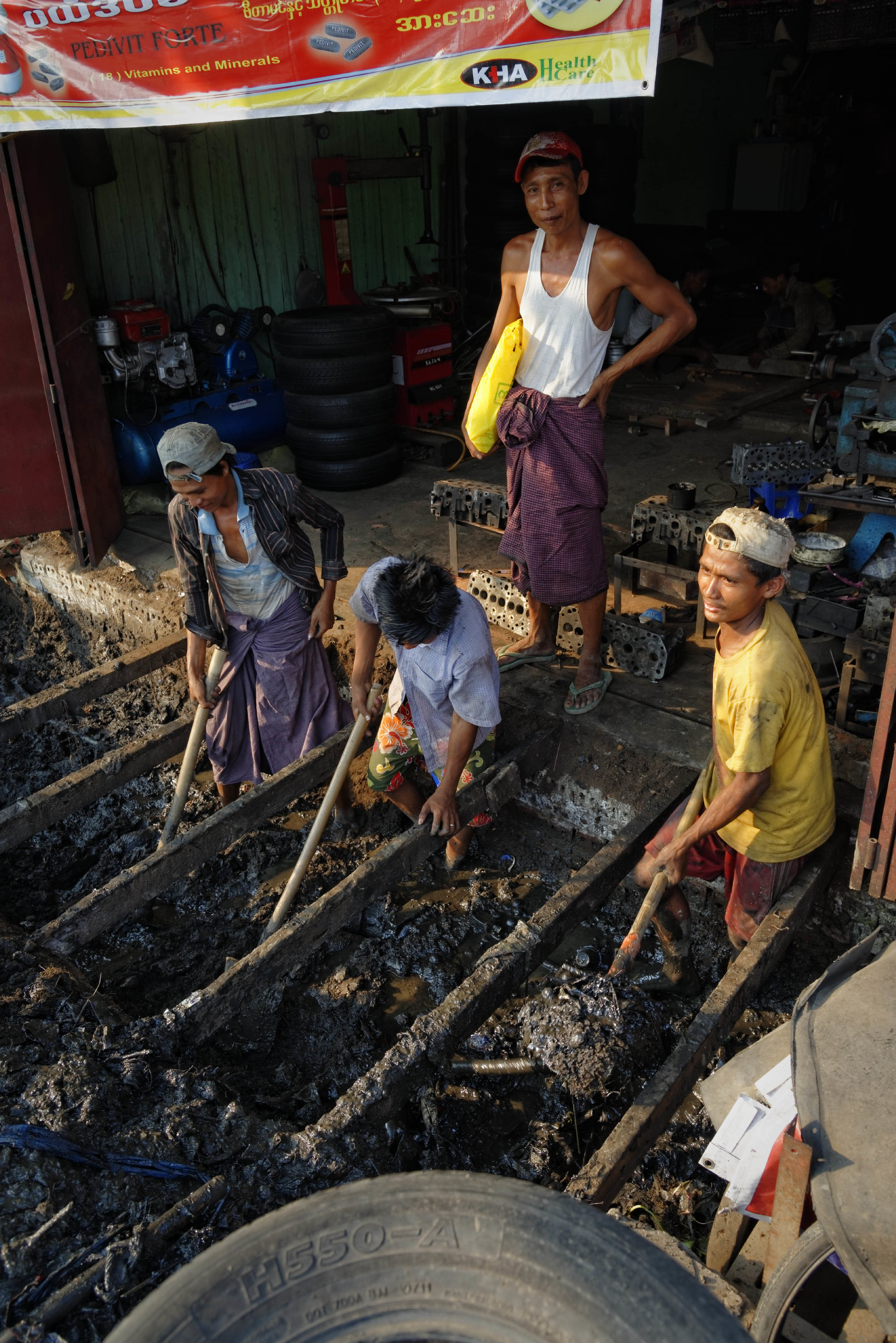
High-income countries often take the wastewater management process for granted. Yet only 58 per cent of the world’s domestic wastewater is safely treated, with significant variation across regions. For World Toilet Day, we delve into the data to gain a better understanding of employment in the water collection, treatment and supply and sewerage industries in different country contexts.
Where women work: female-dominated occupations and sectors
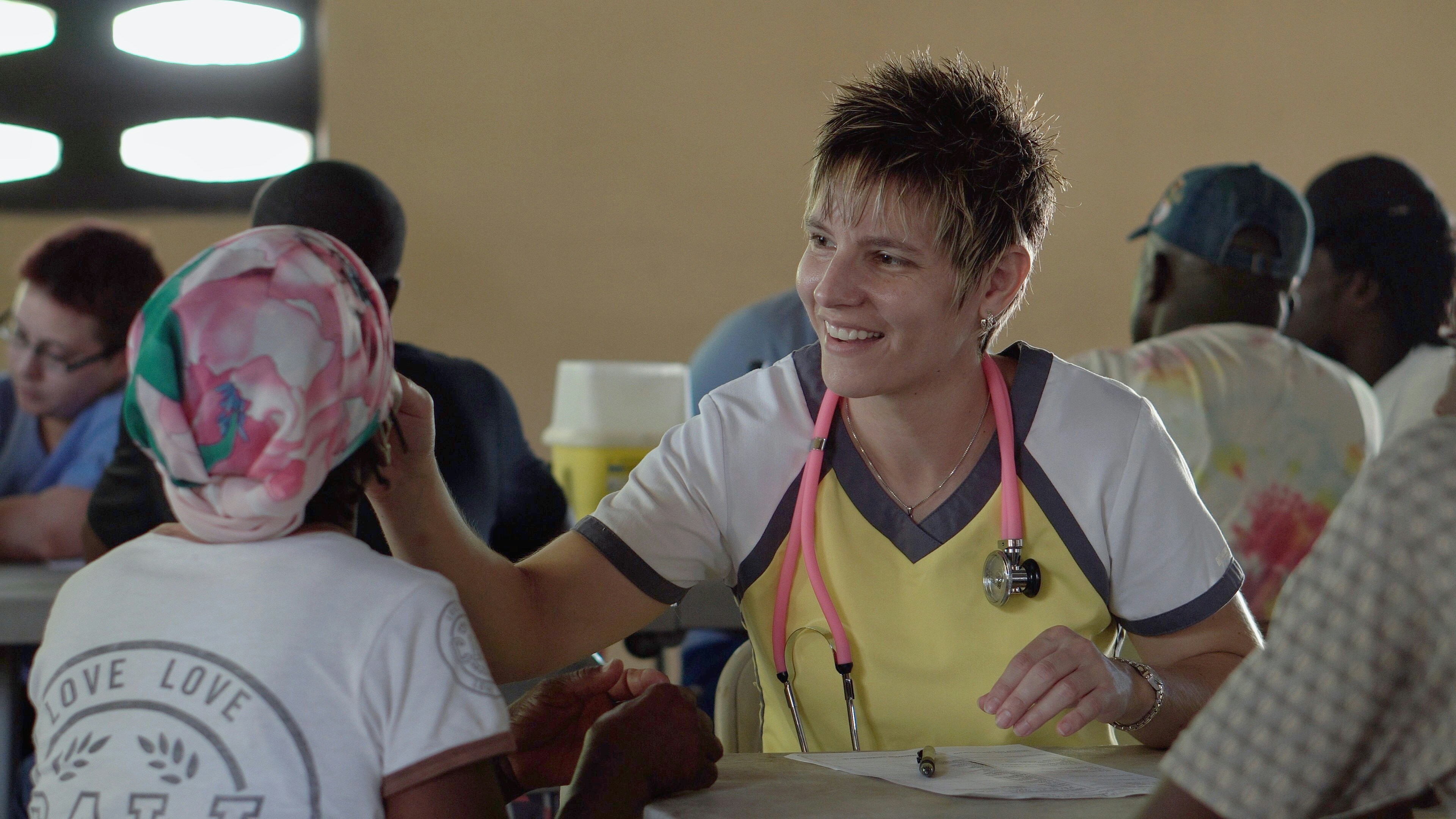
Despite women breaking barriers in science, technology, engineering, and mathematics (STEM) occupations and some overcoming obstacles in leadership roles, the transformation of the gender landscape in the workplace remains somewhat limited. Explore the latest insights from the new ILO database Worker and Sector Profiles.
From tradition to transformation: employment trends in postal and courier services

Technology has severely affected demand for postal services. At the same time employment in the industry is still rising in most countries, driven by rapid growth in courier activities. This apparent contradiction in fact supports the idea that while technological progress can destroy jobs and displace workers, it can also create more jobs, creating a positive overall effect. Looking to the future, reskilling, upskilling and support to help postal services accelerate their digitalization and diversification processes will be key to building the resilience and adaptability of workers and enterprises in the sector.
Quality education for all? We need (more) teachers!

Data insights reveal important teacher shortages in many countries around the world, and declining numbers of vocational education teachers at a time when we need them the most. Policies to improve education quality and outcomes must consider not only students and learners, but also and importantly, teachers.