
Gender equality in the workplace remains elusive

ILOSTAT data show that progress is needed in many areas and in every region to achieve gender equality in the labour market.
Are migrants also successful in the labour market?
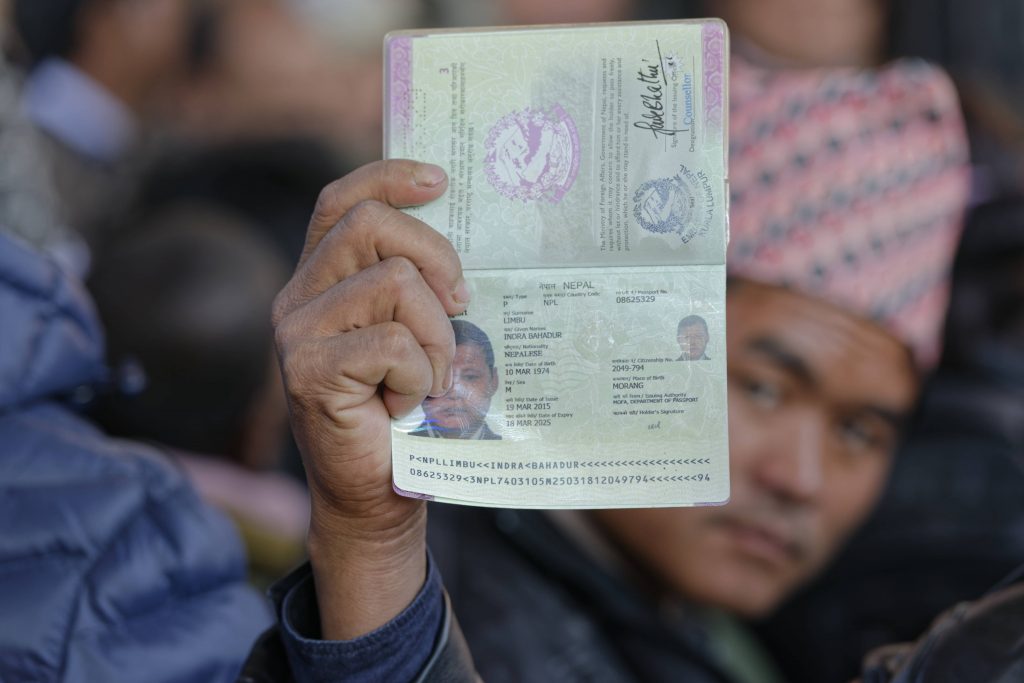
Today is International Migrants Day. As migration draws increasing attention globally, what do we know about the millions of international migrant workers?
100 statistics on the ILO and the labour market to celebrate the ILO centenary

100 years of the ILO also means 100 years of ILO’s labour statistics to support the work of countries and organizations around the world in improving labour markets, and of course, to inform its own work. Celebrating the ILO centenary is also celebrating progress in labour statistics.
Africa’s employment landscape
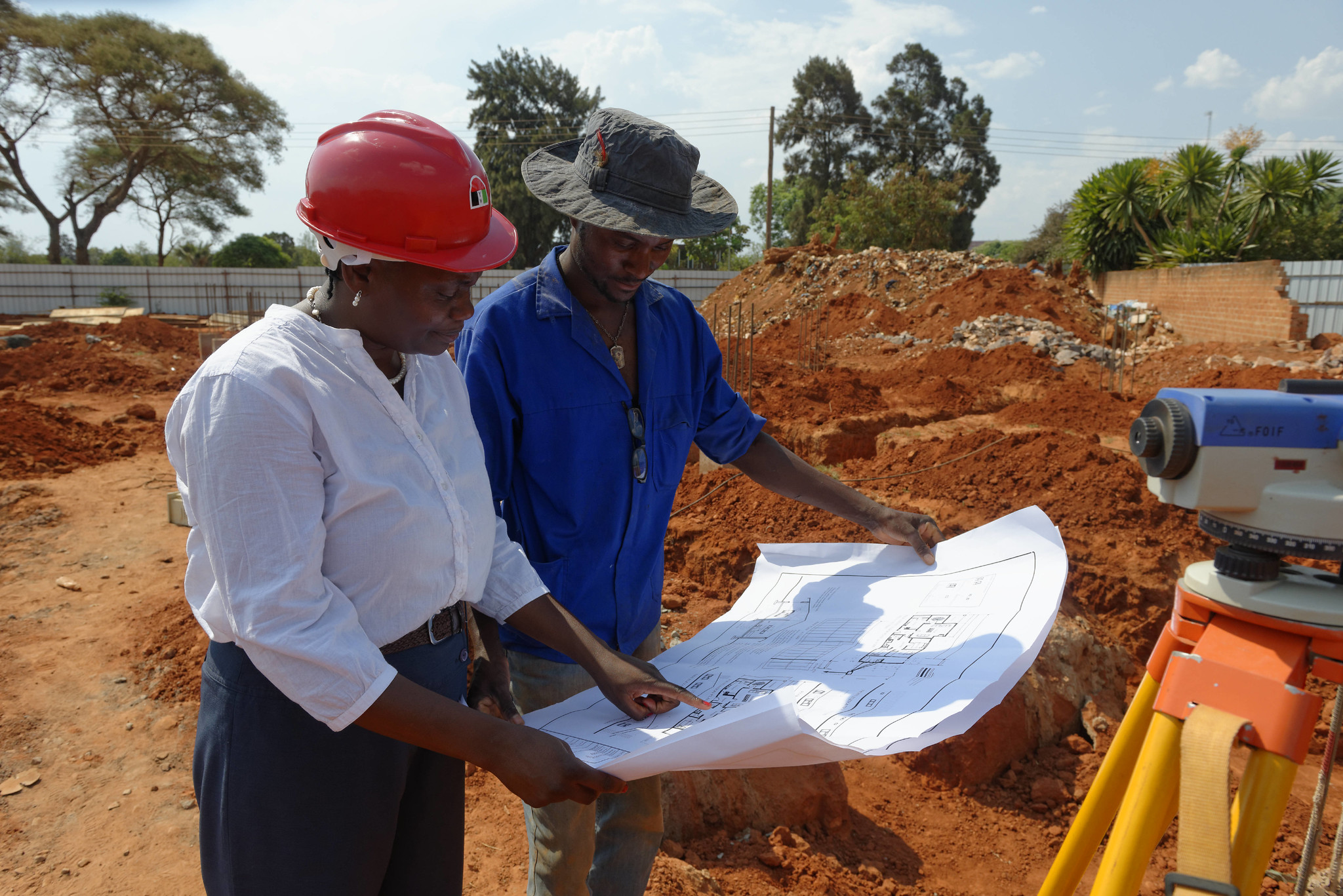
Africa’s employment landscape affects almost 500 million workers. Are there any changes in store for them?
Tech’s persistent gender gap

Tech’s persistent gender gap is well documented, but it might surprise you to learn that the gulf transcends national wealth and development lines.
Work and employment are not synonyms

Work and employment may be used indistinctly in everyday language, but for the labour market they mean very different things. Employment is a very specific form of work. Other forms of work include own-use production work, volunteer work and unpaid trainee work.
Decent work and the SDGs: 11 charts that tell the story
This visual essay provides an overview of the progress made towards decent work in the context of the 2030 Agenda for Sustainable Development.
Young people are far more likely to be in working poverty

When is a job not enough?
These are the countries with the most teachers

Worldwide, there is large variation across countries in the number of teachers relative to the population. At one extreme, Iceland has 45 teachers for every 1,000 people. At the other extreme, the United Republic of Tanzania has only 2 for every 1,000 people.
The working poor – or how a job is no guarantee of decent living conditions

This slideshow presents the main results of a study based on ILO’s global estimates of employment by economic class (including the working poverty rate) featured in our latest issue of Spotlight on Work Statistics.