
International Day of Persons with Disabilities: how disability affects labour market outcomes
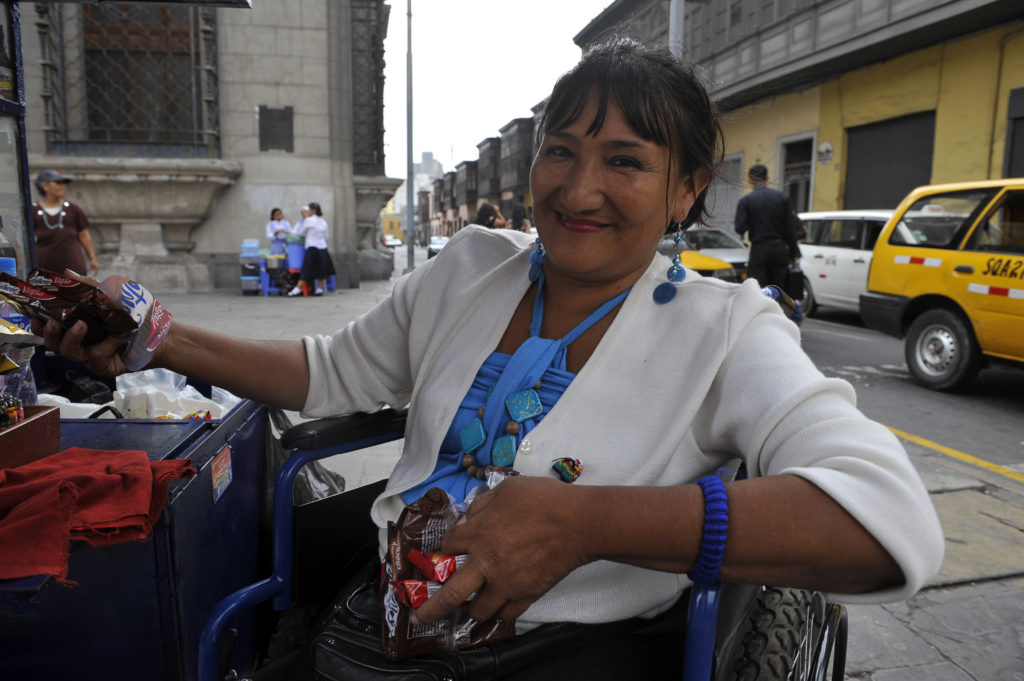
People with disabilities make up 15 per cent of the global population according to the World Report on Disability published by the World Health Organization and the World Bank in 2011. Yet, they are far from adequately represented in labour markets around the world.
Education pays off, but you have to be patient

The pandemic is making us rethink and re-organize education. Workers with higher educational attainment may expect to be able to find a job (and a quality job, for that matter) as soon as they become available. But is that so?
Defining and measuring remote work, telework, work at home and home-based work
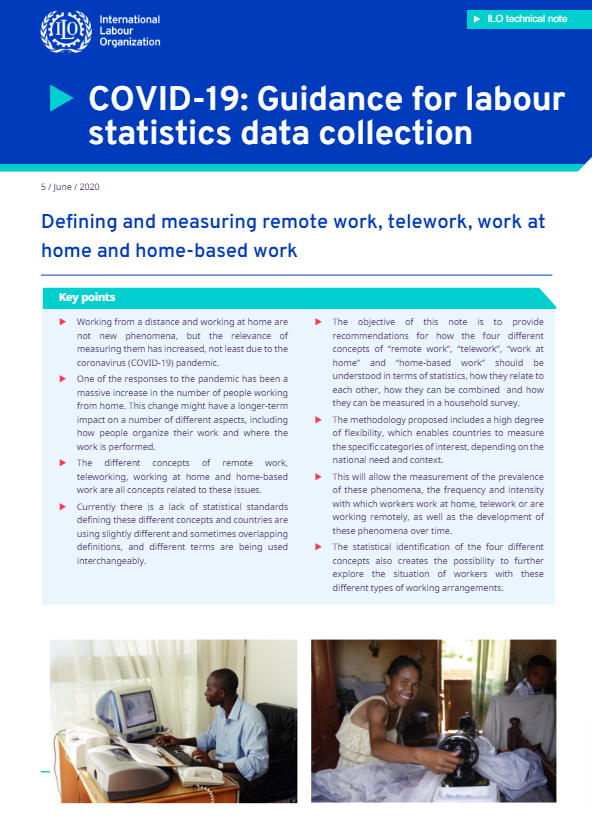
Working from a distance and working at home are not new phenomena but the relevance of their measurement has increased, not least due to the Covid-19 pandemic. This notes provide guidance to data producers on how the four different concepts of remote work, telework, work at home and home-based work should be statistically understood, how they relate to each other, and how they can be measured through a household survey.
Conceptual framework for statistics on work relationships

Capturing impacts on employment and unpaid work using Rapid Surveys

Lack of data on how households and workers are being impacted by the pandemic can severely affect the formulation of programmes and policies aimed to help those most in need. In times of crisis, rapid surveys may be an alternative source of information where official household surveys such as LFS have been halted or postponed. This note provides modules for rapid surveys to shed light on the COVID-19 impacts on paid and unpaid work.
COVID-19: are there enough health workers?
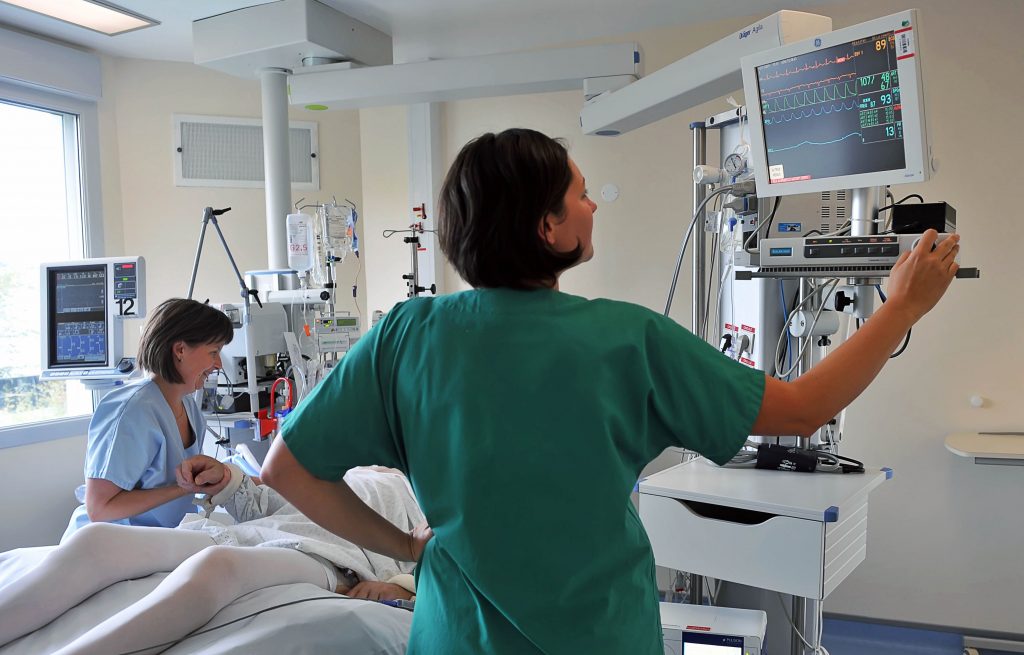
As the COVID-19 crisis puts pressure on health services across the globe, ILOSTAT data highlights the already existing shortages of health workers.
These occupations are dominated by women

What do girls and boys dream of doing when they grow up? Occupations like firefighter, astronaut, doctor and pilot might top the list, but what’s the reality?
258 million workers in the world are over-educated for their jobs

More than 935 million workers in the world have jobs that don’t match their educational level: 72% of them (677 million) are under-educated for their jobs, while the remaining 28% (258 million) are over-educated. This new data in ILOSTAT covers 114 countries, which means that the actual global figures are probably much higher.
How many women work in STEM?

New data on Science, Technology, Engineering and Mathematics (STEM) occupations reveal the extent to which women are employed in this field across countries.
Measuring job quality: difficult but necessary

The quality of our job determines to a great extent our well-being and life quality, but measuring it requires taking into account numerous aspects of our working conditions.