
How to strengthen gender measures and data in the COVID-19 era

The data is abundantly clear on one point: the COVID-19 pandemic has had a disproportionately negative impact on women. Because more women work in the tourism, retail, and informal sectors, which have been hardest hit by the pandemic, their livelihoods have been upended. Understanding the extent of this impact is the first step in reversing course. Yet the pandemic has also exposed and exacerbated data gaps that undermine our ability to act intentionally and craft effective policy responses.
Interest in volunteering reached new heights in March and April 2020
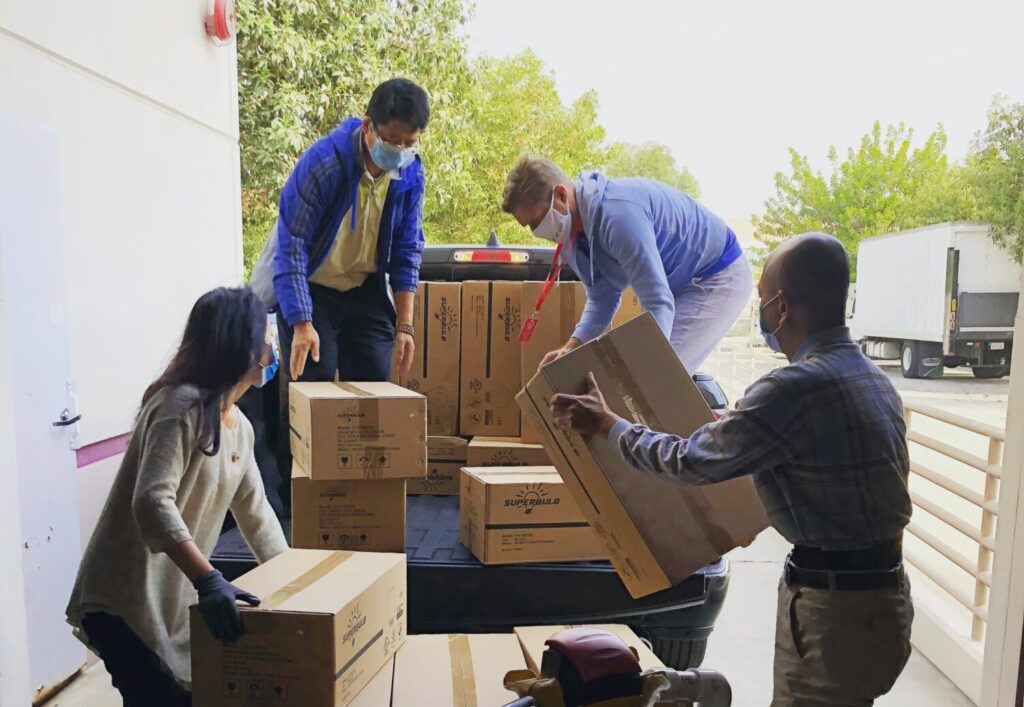
In normal times, a billion people volunteer their time and energy each year, providing unpaid help to others. Has the COVID-19 pandemic led to even more volunteering worldwide?
Volunteer work and its links to the labour market experiences of young people
This paper looks at how volunteering can benefit young people at the start of their careers. It uses existing literature and undertakes further longitudinal analysis, including on the effects of volunteering on young people as they seek to access good jobs.
Millions of hours spent daily on unpaid work: evidence from Asia and the Pacific
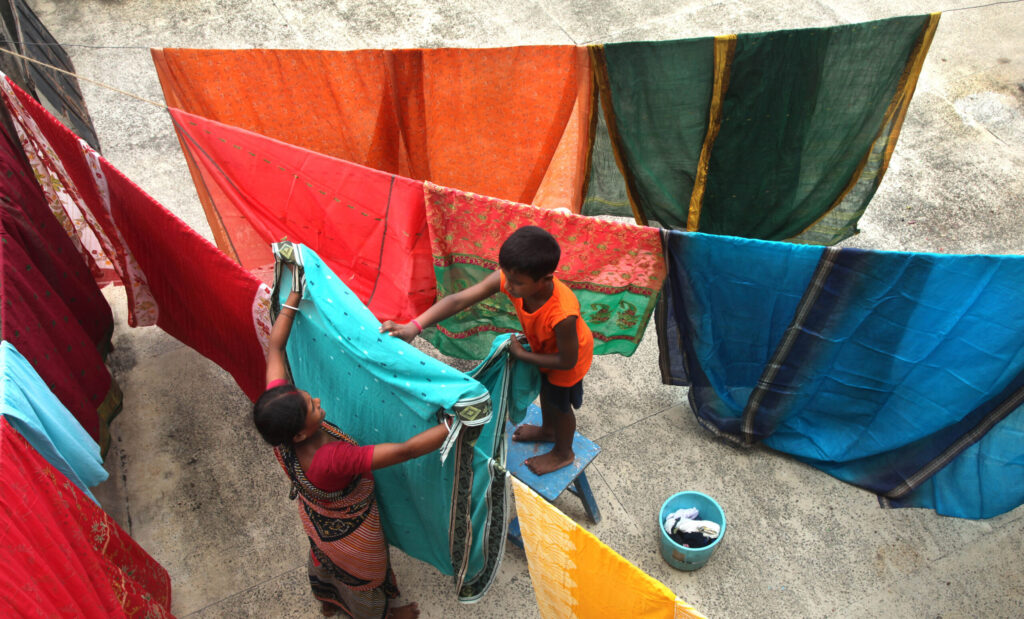
Unpaid production work is the foundation of all other productive work, yet the time spent on these activities is often neglected in labour market analyses.
Conceptual framework for statistics on work relationships

Capturing impacts on employment and unpaid work using Rapid Surveys

Lack of data on how households and workers are being impacted by the pandemic can severely affect the formulation of programmes and policies aimed to help those most in need. In times of crisis, rapid surveys may be an alternative source of information where official household surveys such as LFS have been halted or postponed. This note provides modules for rapid surveys to shed light on the COVID-19 impacts on paid and unpaid work.
Statistics on volunteer work

This topic page on unpaid work provides access to statistical information including data, methods, publications and more.
100 statistics on the ILO and the labour market to celebrate the ILO centenary
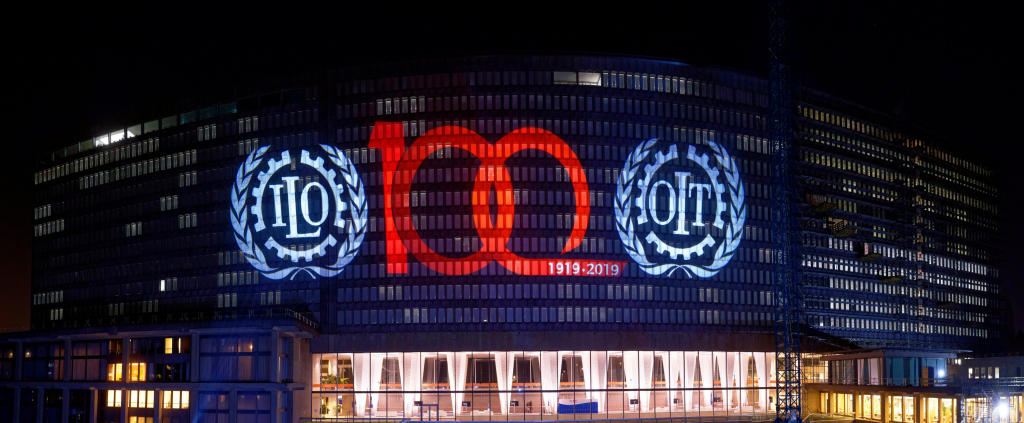
100 years of the ILO also means 100 years of ILO’s labour statistics to support the work of countries and organizations around the world in improving labour markets, and of course, to inform its own work. Celebrating the ILO centenary is also celebrating progress in labour statistics.
Counting the volunteers the world counts on
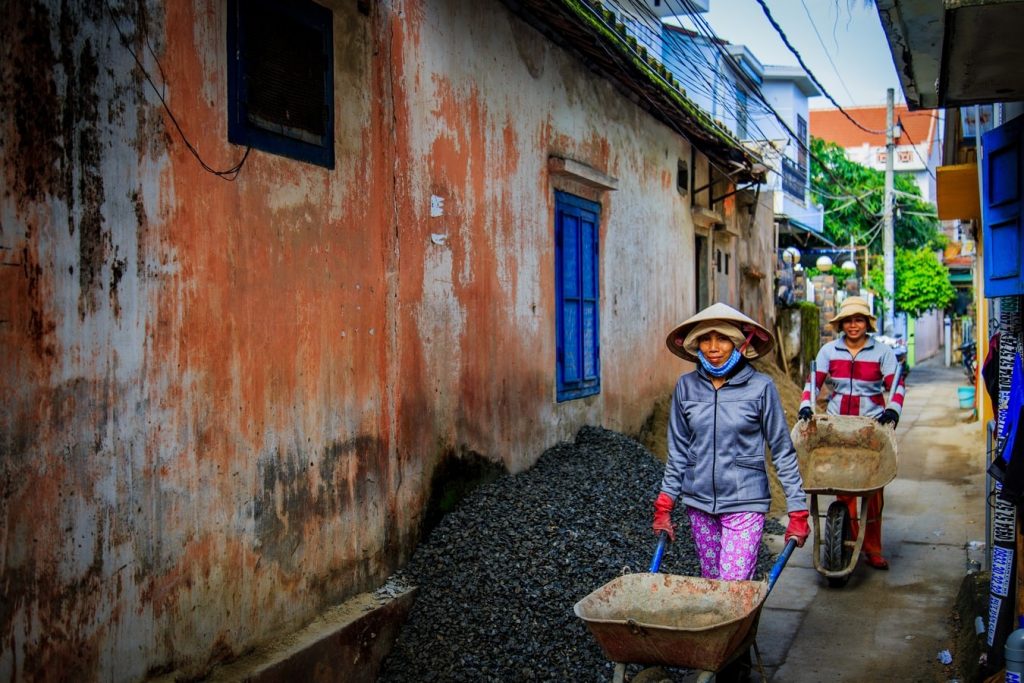
Today, we celebrate International Volunteer Day to recognize the importance of efforts made by volunteers throughout the world to help those who are not able to help themselves, those excluded and left behind.
ILO Model question on volunteer work for Population and Housing Censuses
This model question is suitable for inclusion in a census form to capture participation in volunteer work, aligned with the latest standards adopted by the ICLS.