
Work Statistics – 19th ICLS (WORK database)
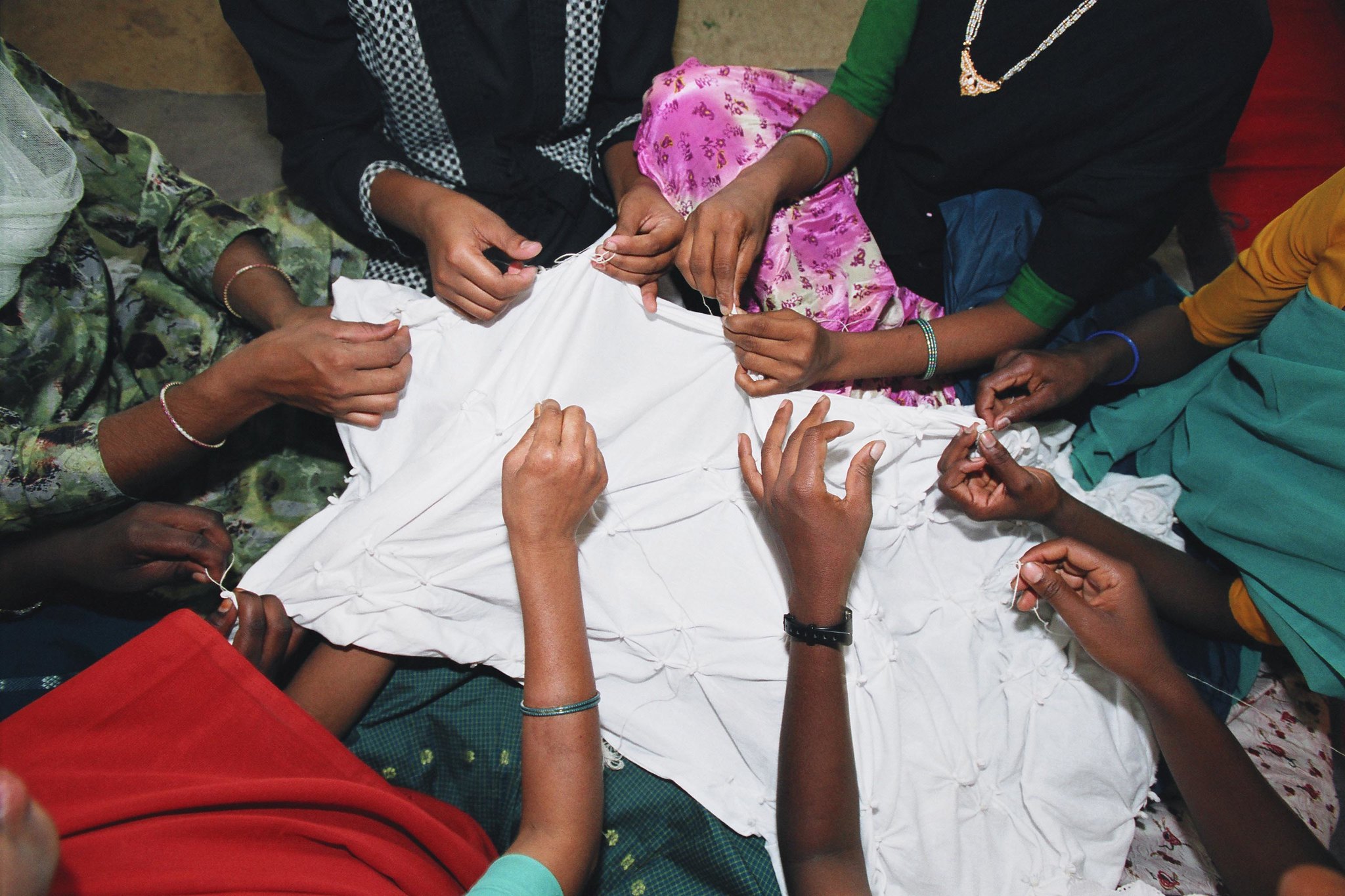
Concise description of concepts and definitions, uses, sources and limitations for (paid and unpaid) work statistics based on the 19th ICLS standards.
Making Women’s Work Visible: The 19th ICLS Standards, Purpose and Progress

This Data2X-ILO joint report builds on previous ILO reports on how new measurement approaches can help close gender data gaps in the world of work by further illustrating the differences between how women and men work and how improved measurement can support women’s economic empowerment.
Lessons from the pandemic: building better gender data for the future
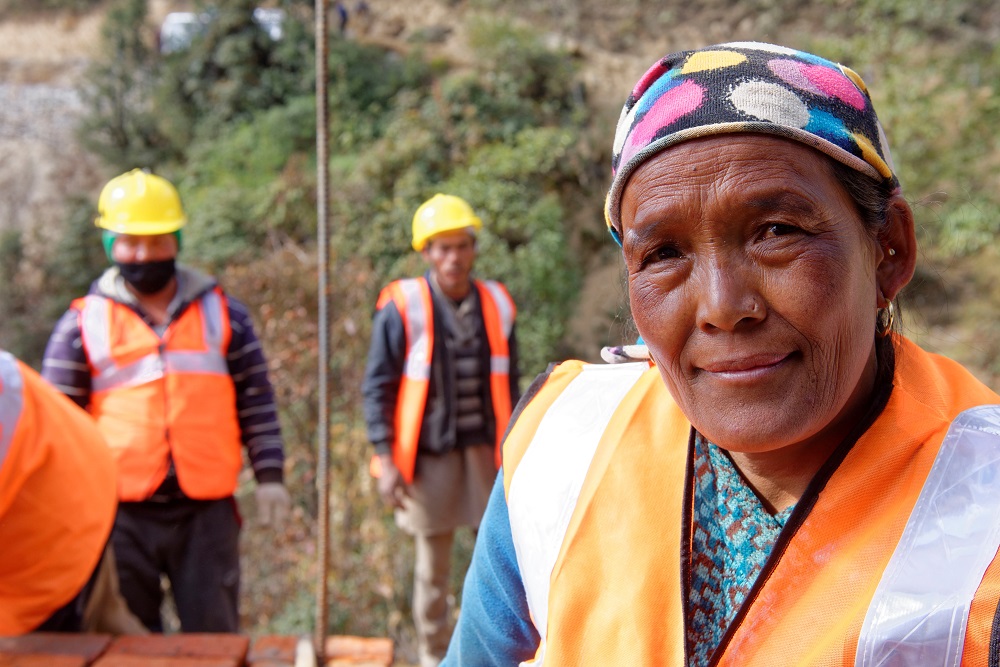
The COVID-19 pandemic has laid bare not only inequalities in the world of work, including between women and men, but it has also further emphasised the gender data gaps that hamper our understanding of the depth, nature and evolution of those inequalities.
Lessons from the COVID-19 pandemic: Gender relevance of the 19th ICLS statistical standards

This brief gives a summary overview of the impact of the introduction of the 19th ICLS statistical standards on labour statistics, as compared with the previous standards from the 13th ICLS. The key gender differences between the frameworks are illustrated using data collected from pilot studies completed between 2015 and 2017.
Lessons from the COVID-19 pandemic: Closing gender data gaps in the world of work – role of the 19th ICLS standards

This report provides a detailed overview of the relevance of the 19th ICLS for gender analysis of participation in work and the labour market. It uses data from the pilot studies completed between 2015 and 2017 to illustrate the wide range of analytical potential when the new standards are implemented.
Will COVID-19 impair the availability and quality of labour statistics?
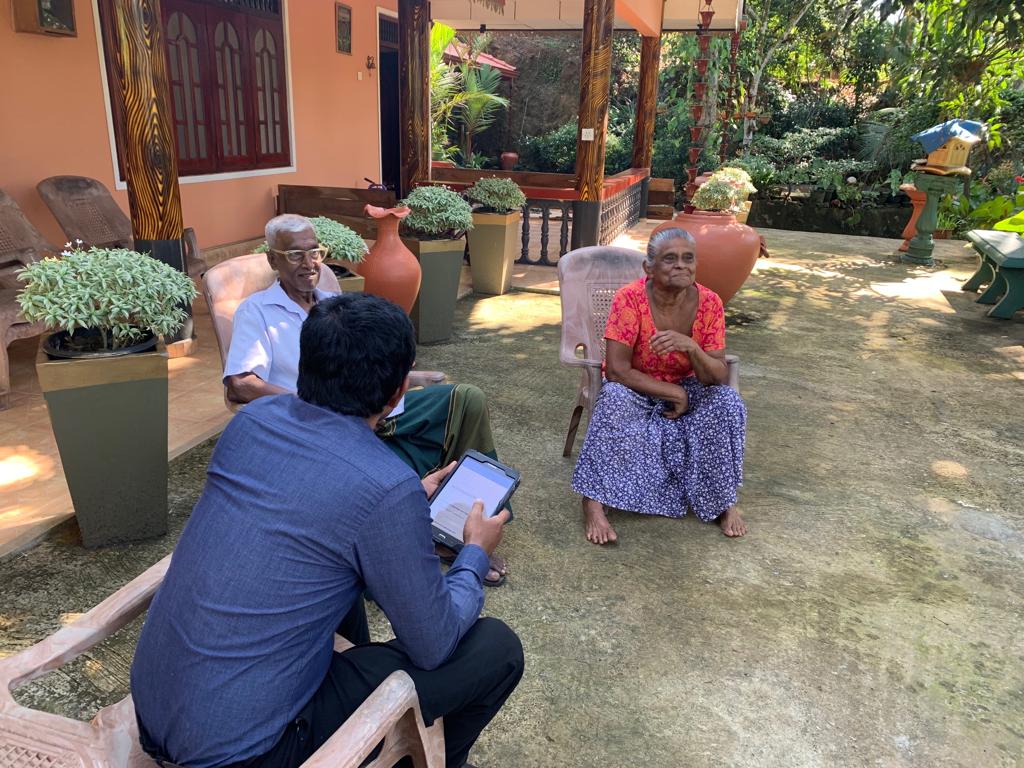
The pandemic is radically impacting our lives. But what about the statistics used to assess those impacts? Without timely and accurate information, we will not act through adequate and informed policies. Though numbers should focus on the health of the population, we also need to understand what is happening in the domain of labour statistics. That is, how is COVID-19 affecting our working lives? What is less obvious, however, is that the pandemic is also affecting our ability to compile such statistics.
Inclusion and diversity in the labour market: a call for LGBT labour statistics

Equal opportunities for employment and equal treatment in employment are a key part of decent work. For LGBT+ workers facing labour market discrimination around the world, this is far from a reality. But in order to know the extent and forms of this discrimination, we need labour statistics on LGBT+ people.
Work and employment are not synonyms

Work and employment may be used indistinctly in everyday language, but for the labour market they mean very different things. Employment is a very specific form of work. Other forms of work include own-use production work, volunteer work and unpaid trainee work.
ICLS documents

Find resolutions, guidelines, meeting room documents and reports related to the International Conference of Labour Statisticians (ICLS).
Forms of work: An overview of the new statistical standards

An introduction to the conceptual frameworks for forms of work and labour force statistics, including labour underutilization.