Who are the women on the move? A portrait of female migrant workers
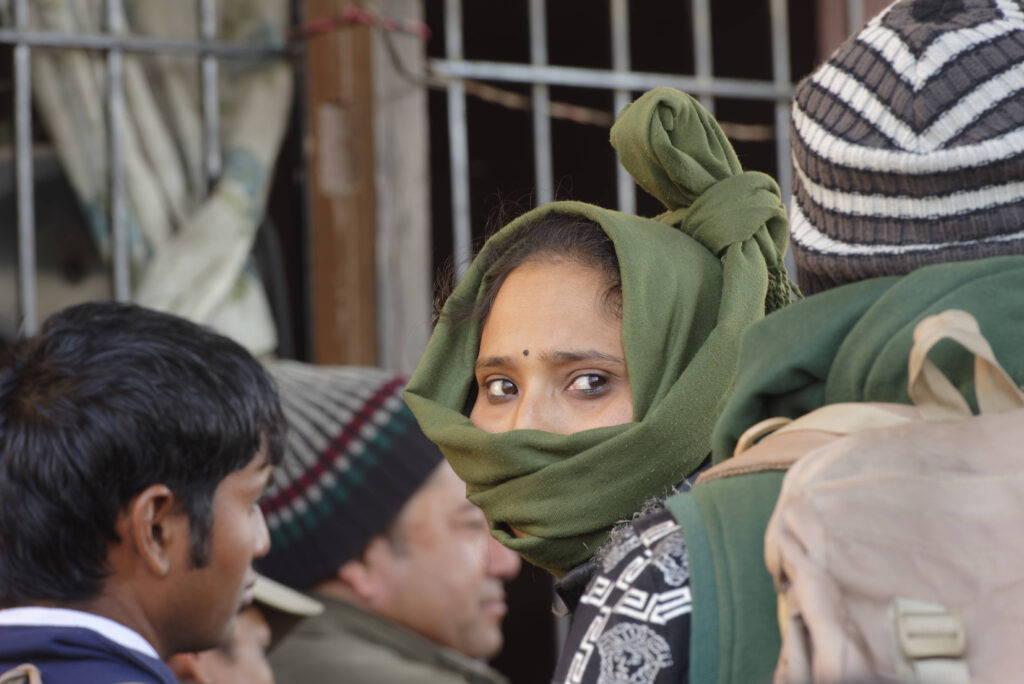
The international migration of women, either together with their family or on their own, is an increasingly important and complex phenomenon but remains insufficiently documented owing to a lack of data. New ILOSTAT data offer some insights on the profile of women looking for work and better opportunities abroad.
Report on Labour Migration Statistics in Africa (Third Edition, 2019)
This report outlines the labour migration trajectory in Africa and facilitates the design of informed policies and programmes for the effective protection of labour migrants and their families leading to the promotion of sustainable development in both countries of origin and destination.
International Labour Migration Statistics (ILMS database)
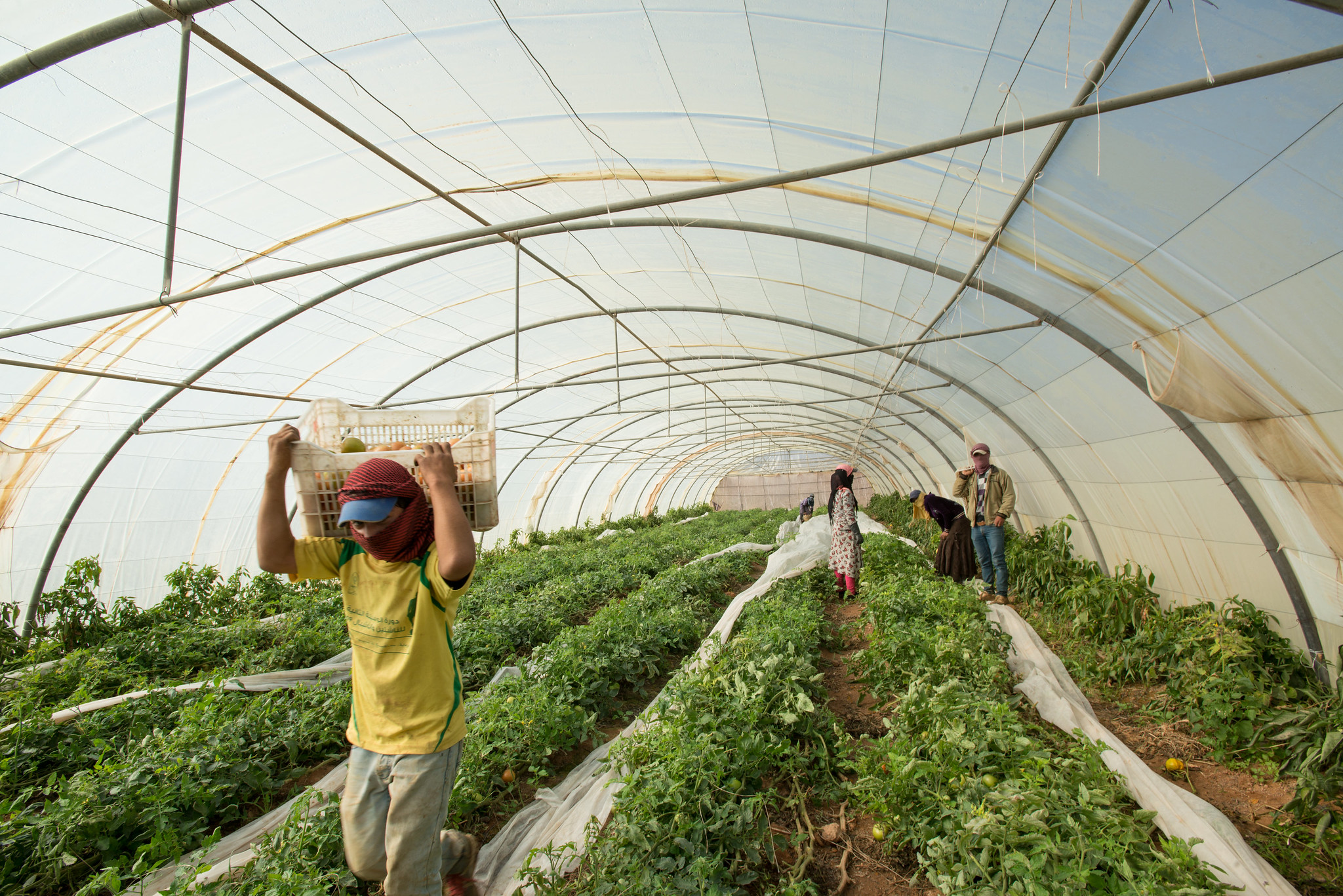
Concise description of concepts and definitions, uses, sources and limitations for international labour migration statistics, including stocks and flows.
Sources and Methods Volume 9: International labour migration (2020)

This volume presents the sources and methods used in the compilation of international labour migration statistics, based on the ILO metadata survey conducted in 2015-2016 in ILO Member countries and territories.
Are migrants also successful in the labour market?
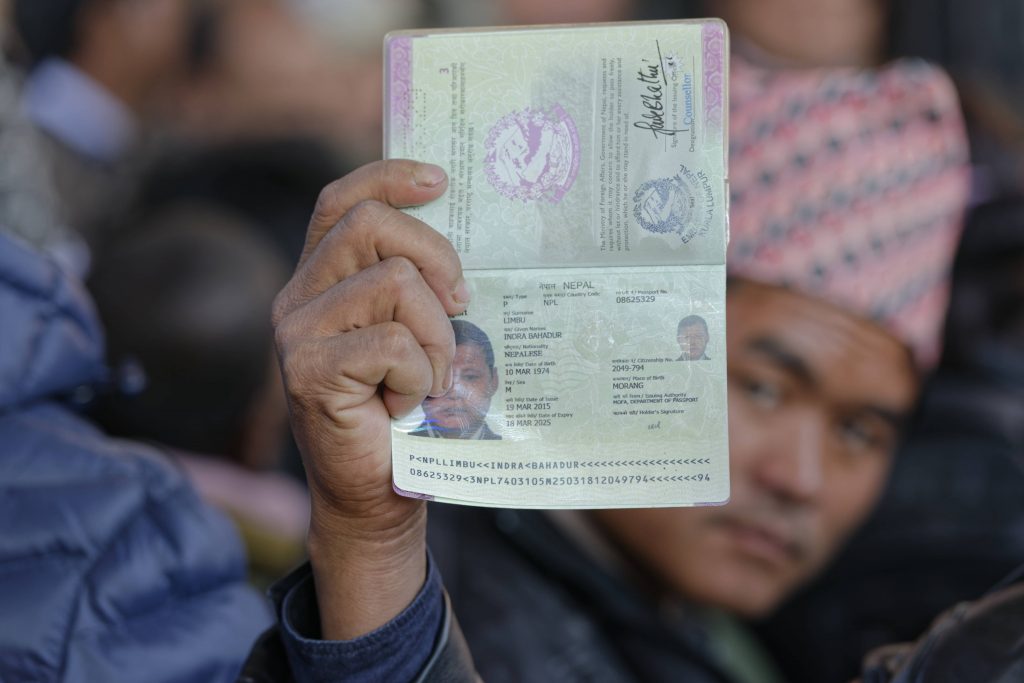
Today is International Migrants Day. As migration draws increasing attention globally, what do we know about the millions of international migrant workers?
Statistics on migrant workers

This topic page on labour migration, including stocks and flows, provides access to statistical information including data, methods, and publications.
Guidelines concerning statistics of international labour migration
International labour migration statistics in South Asia: Establishing a subregional database and improving data collection for evidence-based policy-making
This report provides a comprehensive analysis of statistics related to extraregional labour migration of South Asian nationals, referring to those migrating outside of the subregion from the following eight countries: Afghanistan, Bangladesh, Bhutan, India, Maldives, Nepal, Pakistan and Sri Lanka. Where applicable and relevant to the statistical discussion, this report also includes conversations on developments and trends in extraregional labour migration, migrant worker attributes (such as sex, skill level, occupation, country of destination, method of recruitment and more) and associated thematic areas (such as remittances) in South Asia.