
ILO global estimates on international migrants in the labour force: Figures at a glance
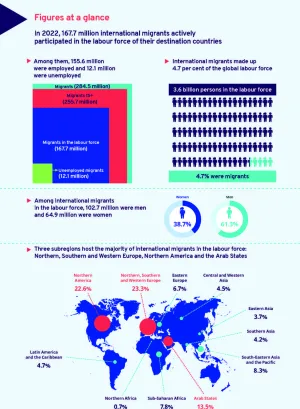
See the headline results from the latest edition of the ILO modelled estimates for a quick overview of global and regional findings.
ILO global estimates on international migrants in the labour force: Estimation methodology
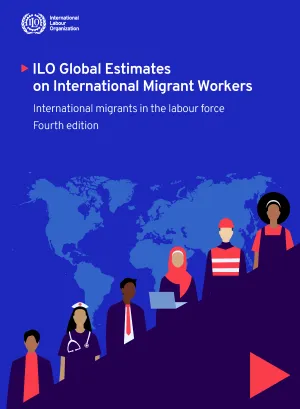
This note presents an overview of the technical foundations of the estimation methodology. It describes the models used, outlines the sources of input data and summarizes the approaches applied to assess the quality of the estimates.
Global Compact for Safe, Orderly and Regular Migration (GCM)
Technical working groups
Technical Working Groups (TWGs) support the development and implementation of international statistical standards. This page presents the active TWGs and their main work.
Tourism jobs in the aftermath of the pandemic: skills and labour in short supply

As we mark World Tourism Day, we reflect on the persistent labour and skills shortages that continue to constrain the recovery of tourism sectors across the world.
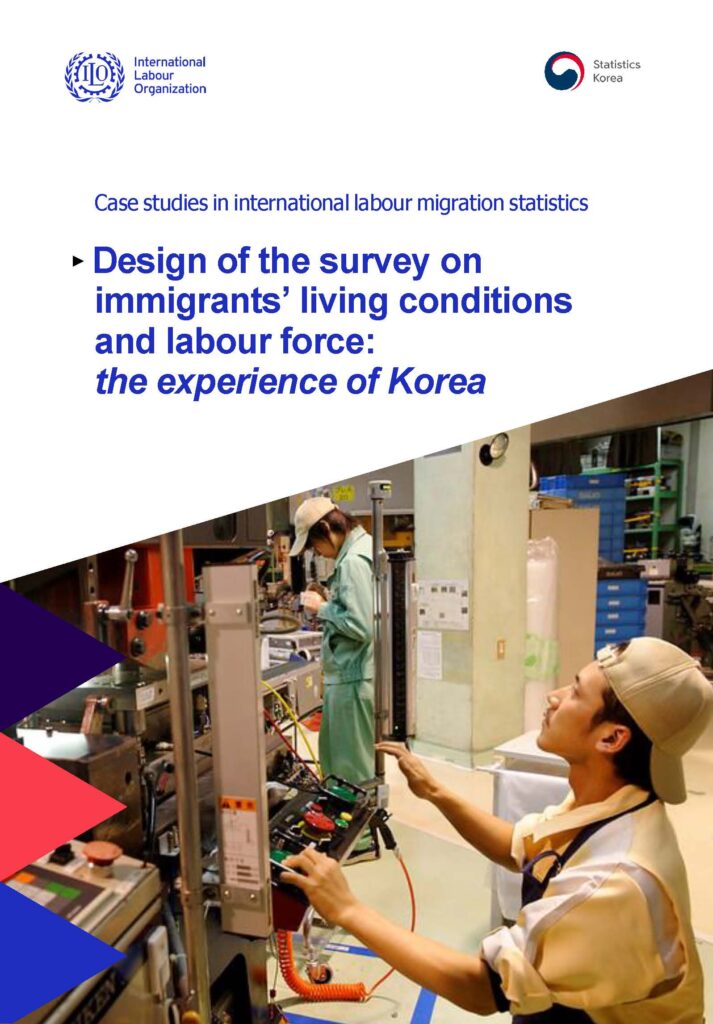
Design of the survey on Immigrants’ Living Conditions and Labour Force: the experience of Korea
Empowering Africa’s youth: the need for more vocational training and on-the-job learning
Expanding access to technical and vocational education, coupled with work-based learning, is crucial to building a more resilient and adaptable workforce among Africa’s youngest workers.
Statistics on sectoral employment

This topic page on sectoral employment provides access to statistical information including data, methods, publications and more.
New data reveals leading causes of seafarer deaths in 2023
A first-ever global data collection on seafarer fatalities offers insight into the main causes of death at sea, revealing critical safety and health risks. With data from 51 countries, this analysis underscores the urgent need for stronger reporting systems and targeted safety measures under the Maritime Labour Convention, 2006.
Subsistence foodstuff producers: the importance of making their work visible

On World Food Safety Day, the ILO analyzes the work of subsistence foodstuff producers, as per improved international statistical standards.