
Keeping labour data flowing during the COVID-19 pandemic

Losing the ability to collect data may not be one of the more obvious negative effects of the COVID-19 pandemic. However, nearly all countries in the world found it difficult to gather data precisely when demand was highest. A recent global survey by the ILO has highlighted just how great the impact was on the production of labour statistics and how countries responded to meet user needs for data.
Quick Guide on sources and uses of statistics on occupational safety and health

This guide gives an overview of the main aspects of occupational safety and health statistics, including their relevance and uses.
Lessons from the pandemic: building better gender data for the future
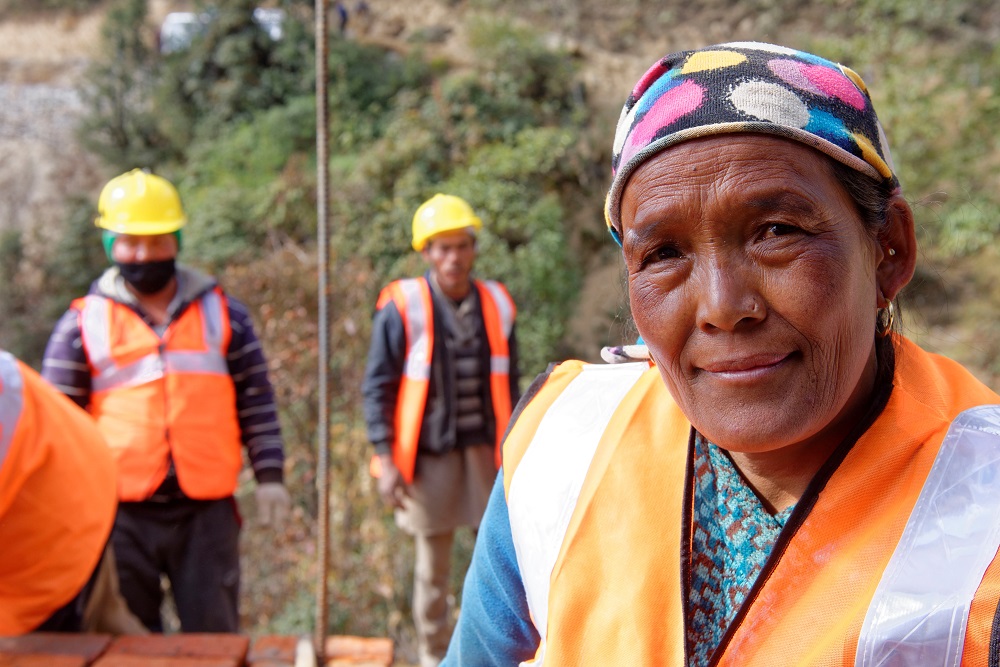
The COVID-19 pandemic has laid bare not only inequalities in the world of work, including between women and men, but it has also further emphasised the gender data gaps that hamper our understanding of the depth, nature and evolution of those inequalities.
Lessons from the COVID-19 pandemic: Gender relevance of the 19th ICLS statistical standards

This brief gives a summary overview of the impact of the introduction of the 19th ICLS statistical standards on labour statistics, as compared with the previous standards from the 13th ICLS. The key gender differences between the frameworks are illustrated using data collected from pilot studies completed between 2015 and 2017.
Lessons from the COVID-19 pandemic: Closing gender data gaps in the world of work – role of the 19th ICLS standards

This report provides a detailed overview of the relevance of the 19th ICLS for gender analysis of participation in work and the labour market. It uses data from the pilot studies completed between 2015 and 2017 to illustrate the wide range of analytical potential when the new standards are implemented.
Capturing impacts on employment and unpaid work using Rapid Surveys

Lack of data on how households and workers are being impacted by the pandemic can severely affect the formulation of programmes and policies aimed to help those most in need. In times of crisis, rapid surveys may be an alternative source of information where official household surveys such as LFS have been halted or postponed. This note provides modules for rapid surveys to shed light on the COVID-19 impacts on paid and unpaid work.
COVID-19 impact on labour market statistics
The restrictions necessary to combat COVID-19 pose a huge obstacle to data collection operations, precisely when there is a massive increase in demand for information. The ILO reached out to national data producers to understand the impacts of the pandemic on their statistical operations particularly in the domain of labour statistics. Last update: May 2020
Guidance to data producers to maintain labour force survey data collection
The most immediate impact of the pandemic on LFS data collection for most countries is the suspension of face-to-face interviewing. This note provides guidance to countries on the range of options available and challenges to deal with in order to change their data collection approach and maintain continuity in data availability.
Catalogue of ILOSTAT sources

This catalogue of national data sources presented in ILOSTAT provides an overview of worldwide sources available for labour statistics.
Will COVID-19 impair the availability and quality of labour statistics?
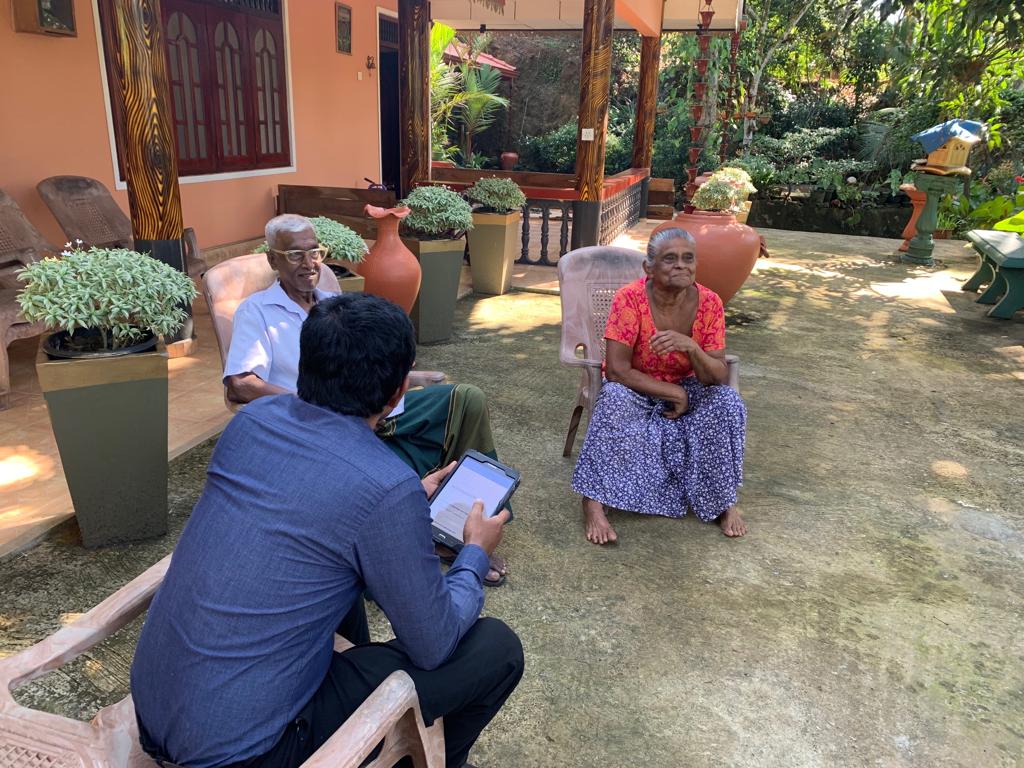
The pandemic is radically impacting our lives. But what about the statistics used to assess those impacts? Without timely and accurate information, we will not act through adequate and informed policies. Though numbers should focus on the health of the population, we also need to understand what is happening in the domain of labour statistics. That is, how is COVID-19 affecting our working lives? What is less obvious, however, is that the pandemic is also affecting our ability to compile such statistics.