
Micro and small enterprises: engines of job creation

Leveraging data from the ILO Harmonized Microdata collection, we take a deep dive to scope out micro and small enterprises around the world, to uncover industries where these job creators are rapidly growing and, with adequate support, can make a substantial contribution to decent work outcomes in the context of a just transition.
Nurses and midwives: overworked, underpaid, undervalued?

May marks both International Day of the Midwife and International Nurses Day – two groups of workers that play essential roles in any healthcare system. However, both professions – which are dominated by women – are characterised by long hours and low pay. So, what can be done to improve working conditions and help nurses and midwives deliver the best quality care to patients?
Forest sector employs 33 million around the world, according to new global estimates
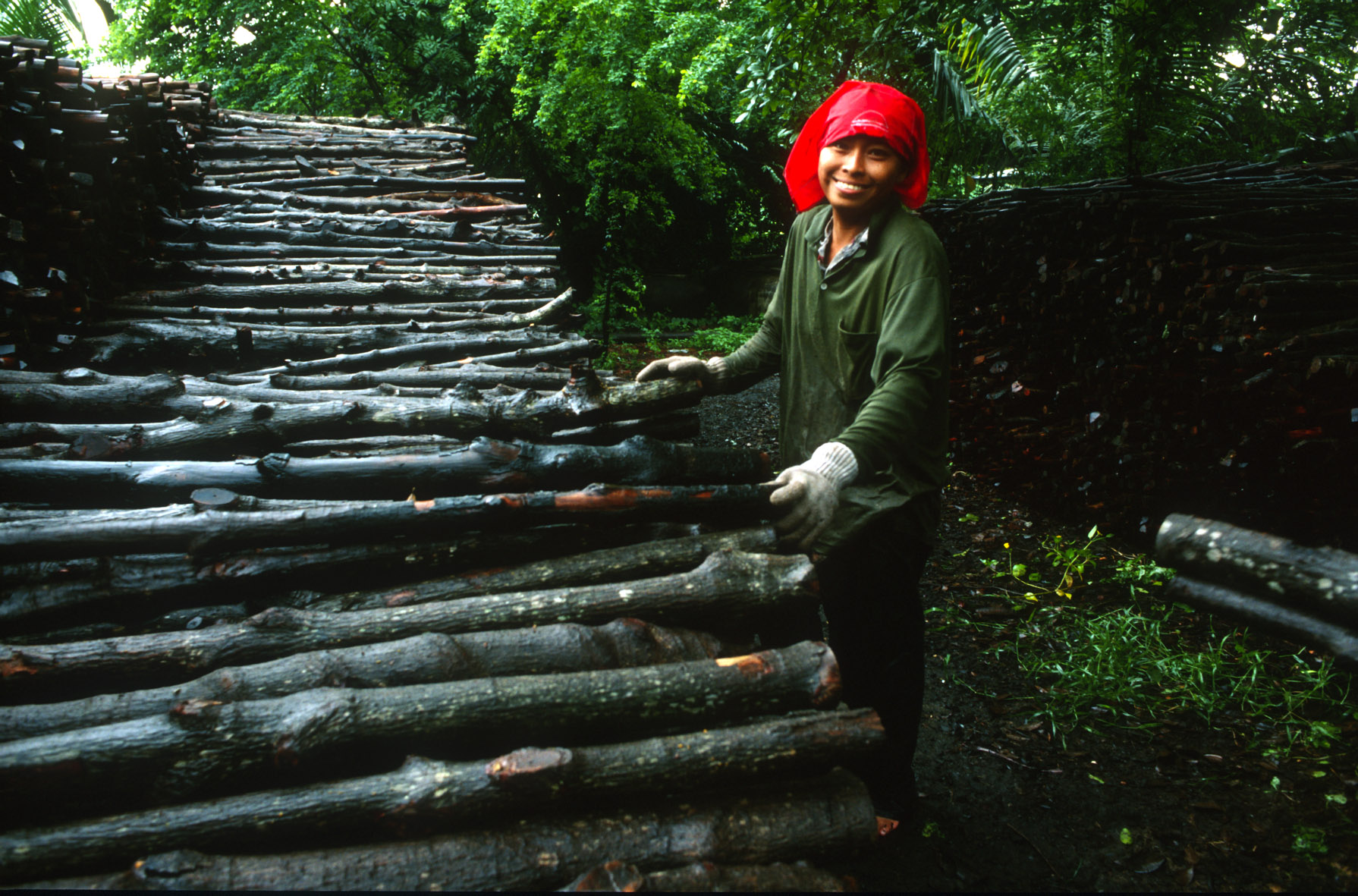
Quantifying how many people are employed in the forest sector is not a straightforward exercise. Nonetheless, the ILO, FAO and the Thünen-Institute of Forestry joined forces to estimate the global workforce in forest-related activities and provide insights on labour market trends in this sector.
Worker and sector profiles (PROFILES database)

Concise description of concepts and definitions, uses, sources and limitations of indicators in the Worker and Sector Profiles, including definitions for the groups of occupations and/or sectors recombined to create these profiles.
Quick guide to understanding the impact of the new statistical standards on ILOSTAT databases
This quick guide explains the differences between the 13th and 19th ICLS standards, the impact of the revisions on headline indicators, and how the ILO handles this on ILOSTAT.
Labour Force Statistics (LFS and RURBAN databases)
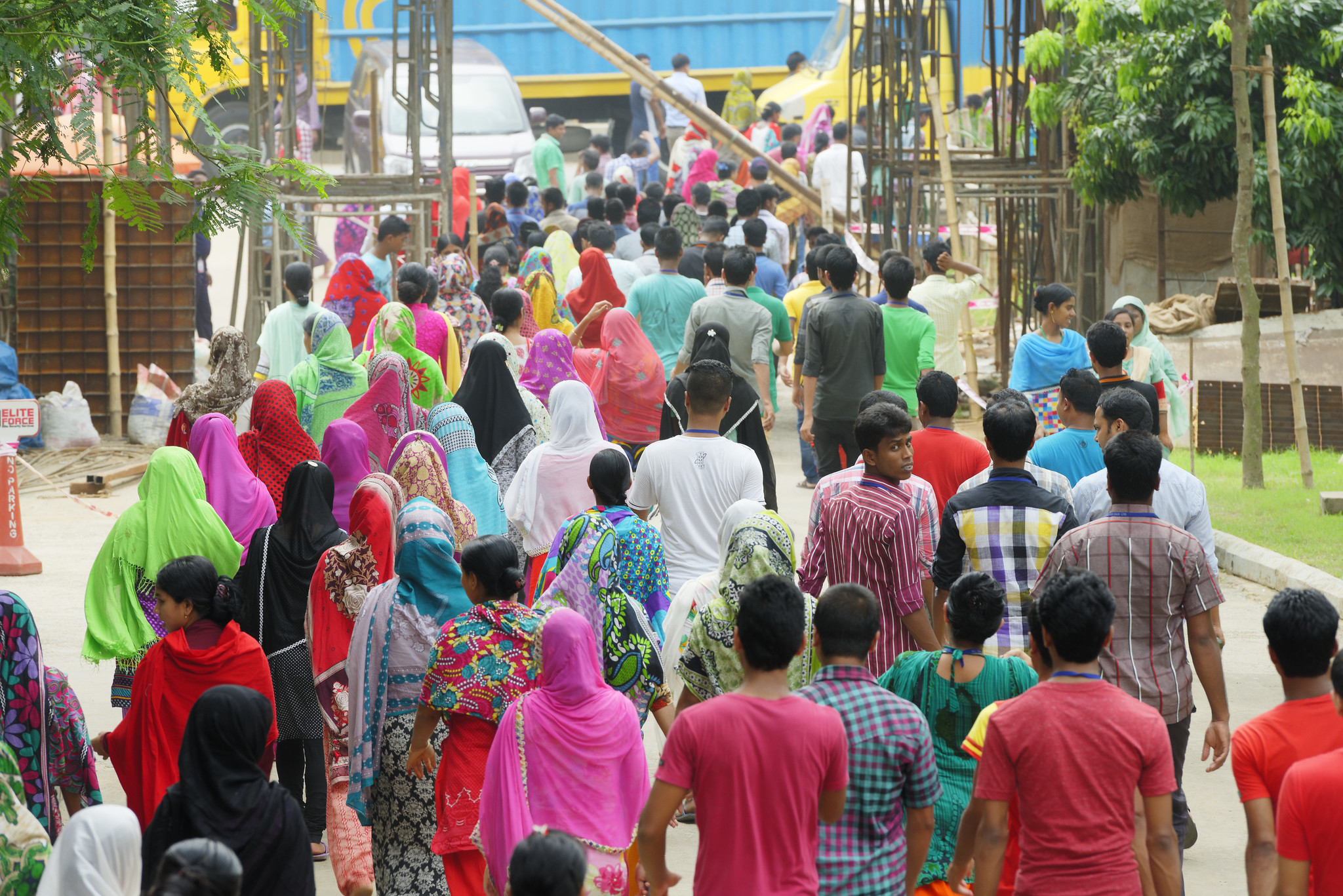
Concise description of concepts and definitions, uses, sources and limitations for labour force statistics in various databases (LFS, STLFS, RURBAN).
Work Statistics – 19th ICLS (WORK database)
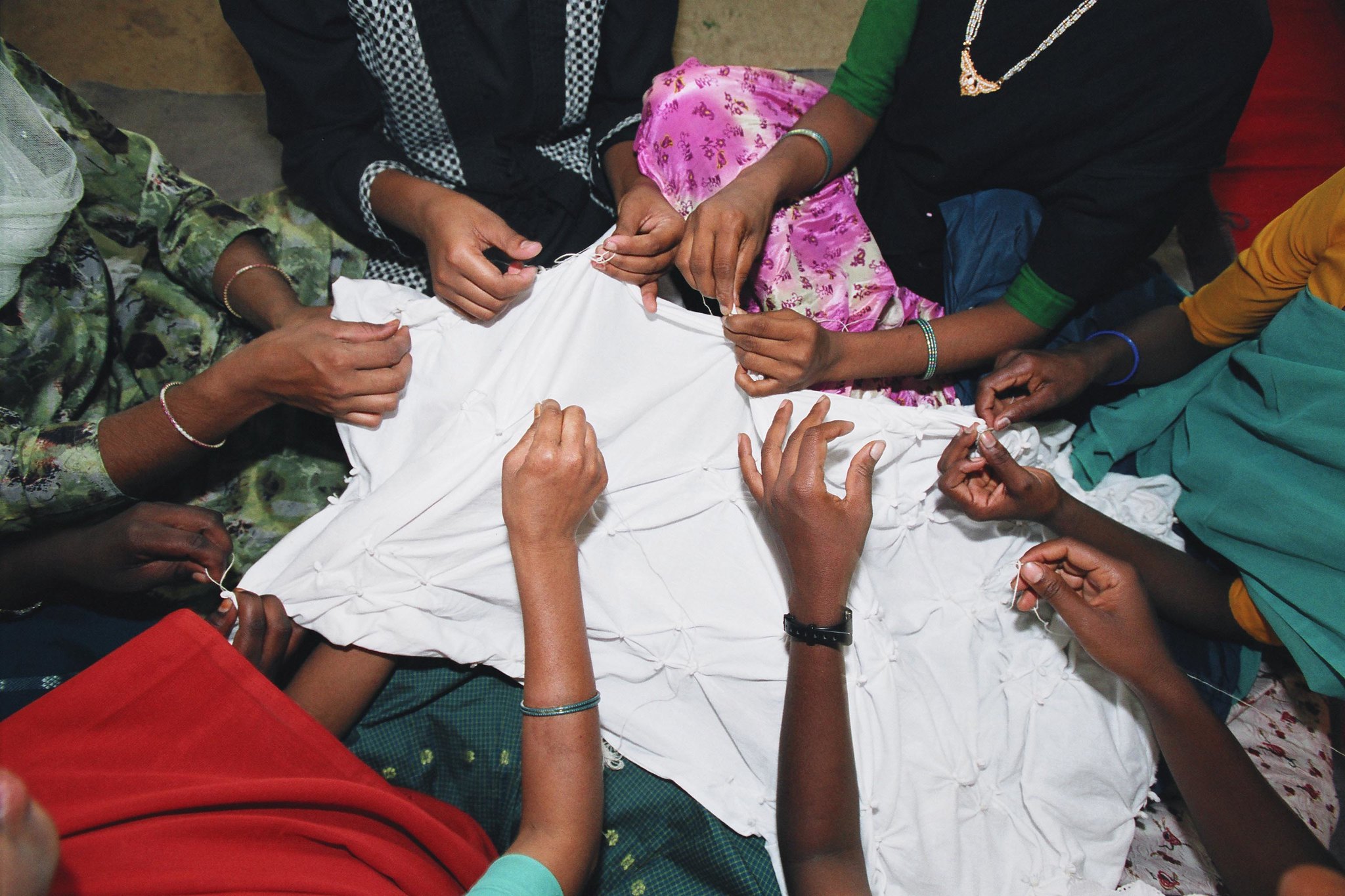
Concise description of concepts and definitions, uses, sources and limitations for (paid and unpaid) work statistics based on the 19th ICLS standards.
Only half of workers worldwide hold jobs corresponding to their level of education

Over the years, considerable effort has been invested in improving the educational attainment of people worldwide, especially as part of the implementation of the Millennium Development Goals and the Sustainable Development Goals. However, the enormous progress achieved in raising levels of education, especially among women and girls, has not translated into corresponding improvements in labour market outcomes.
Measuring Women and Men’s Work: Main Findings from a Joint ILO and World Bank Study in Sri Lanka
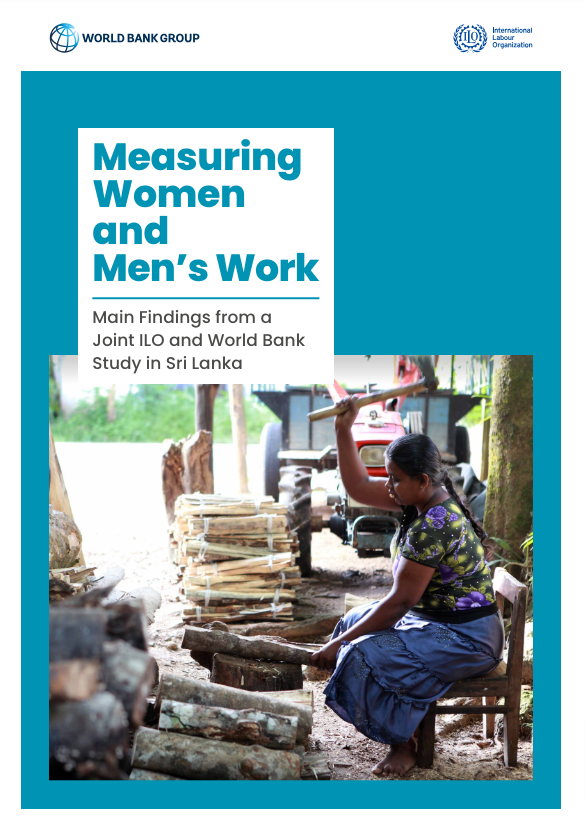
This report presents the findings of the ILO-World Bank study in Sri Lanka. It shows the key areas of inconsistency discovered between the labour force survey and multi-topic living standards survey, how those inconsistencies were addressed across a range of topics including the measurement of employment, labour underutilization and own-use production work. In addition, the report highlights the range of valuable data that can be generated when the 19th ICLS standards are applied through household surveys.
Measuring Women and Men’s Work: Summary of Main Findings and Recommendations from a Joint ILO and World Bank Study in Sri Lanka

This brief highlights the key lessons learned during the ILO-World Bank study in Sri Lanka. It provides recommendations for household surveys seeking to measure in line with the latest international statistical standards, in particular those adopted at the 19th ICLS.