
How women are being left behind in the quest for decent work for all

The United Nations’ Sustainable Development Goals set out a shared vision to end poverty, fight inequality and injustice, and tackle climate change by 2030. Will the pandemic reverse progress in advancing decent work for all as prescribed under Goal 8? It seems likely, at least for women.
Avoid these 5 rookie mistakes when using ILO databases

Containing more than 100 million data points, the ILOSTAT portal is truly a gold mine for seasoned data scientists, but it can be challenging to use for those with less experience. Here we explain five typical rookie mistakes so you can avoid them.
International Day of Persons with Disabilities: how disability affects labour market outcomes
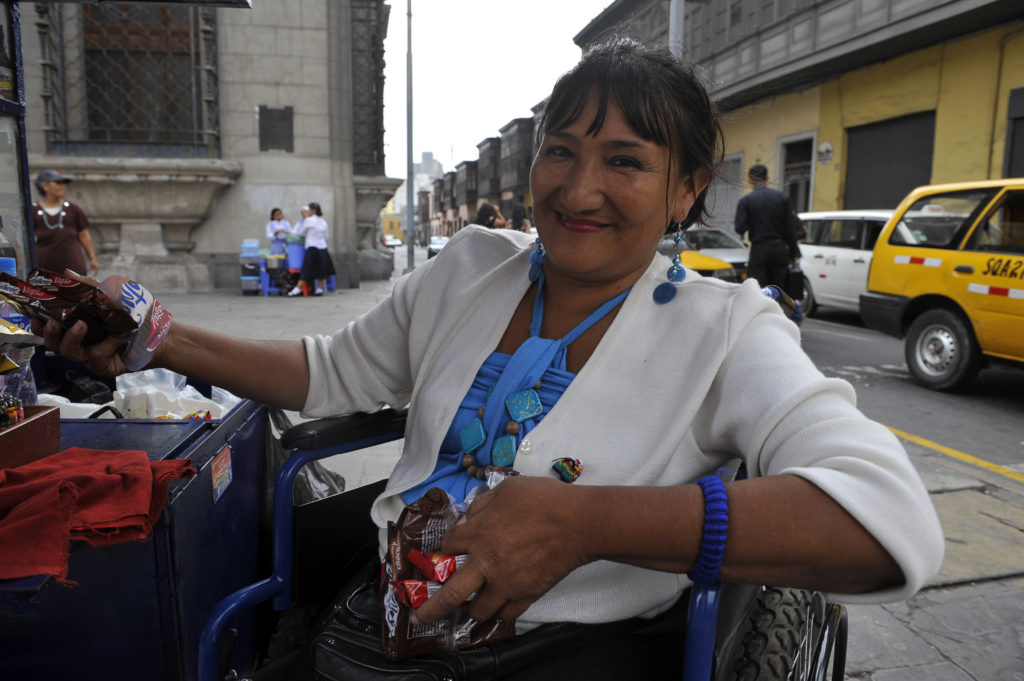
People with disabilities make up 15 per cent of the global population according to the World Report on Disability published by the World Health Organization and the World Bank in 2011. Yet, they are far from adequately represented in labour markets around the world.
Fallout of COVID-19: working moms are being squeezed out of the labour force
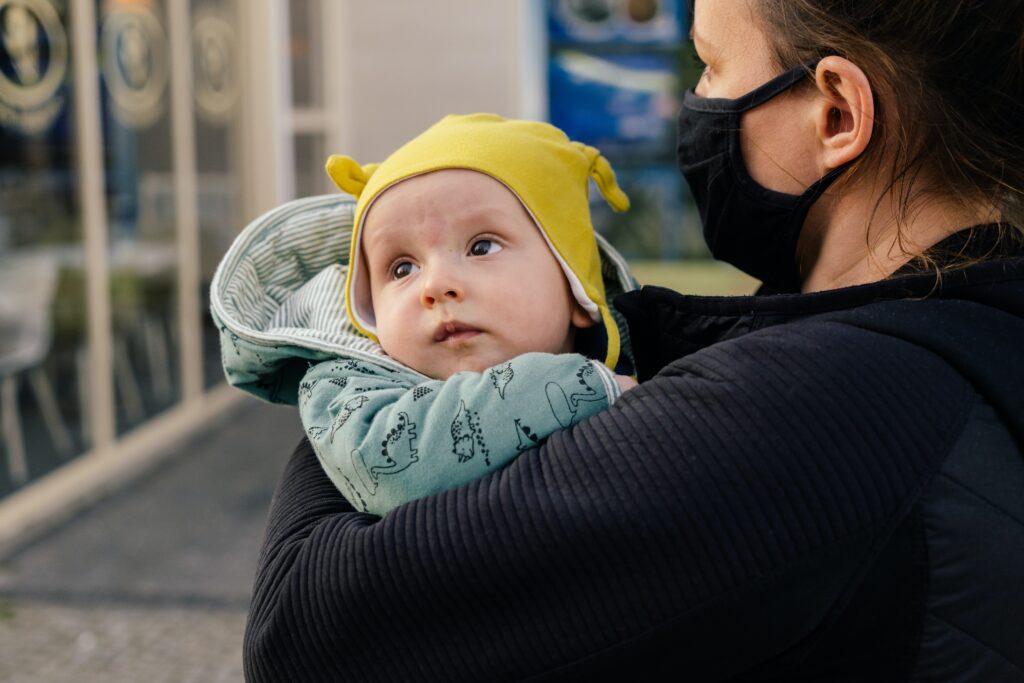
A workable balance is what parents are desperately trying to find in these uncertain times. Even in “normal” times, the balance between work and family has not been an easy one to achieve. The challenge is not new, especially for women. But the pandemic is shining a stadium size light to the problem, can it also shine light on the solution?
International Day of Rural Women: the unfinished quest for decent work for all
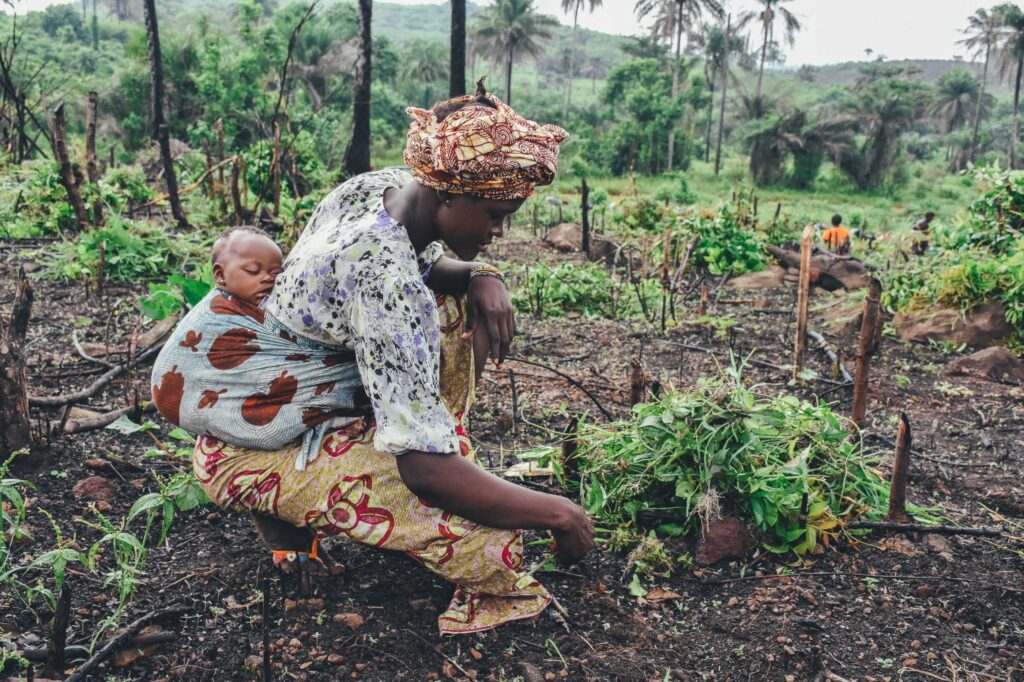
Challenges to decent work are different in rural and urban areas, but women in rural areas face additional hurdles to access decent work. Higher labour force participation in rural areas in the developing world and widespread decent work deficits of rural jobs reveal the need to promote healthy rural labour markets for everyone.
Education pays off, but you have to be patient

The pandemic is making us rethink and re-organize education. Workers with higher educational attainment may expect to be able to find a job (and a quality job, for that matter) as soon as they become available. But is that so?
International Day of Families: how marital status shapes labour market outcomes
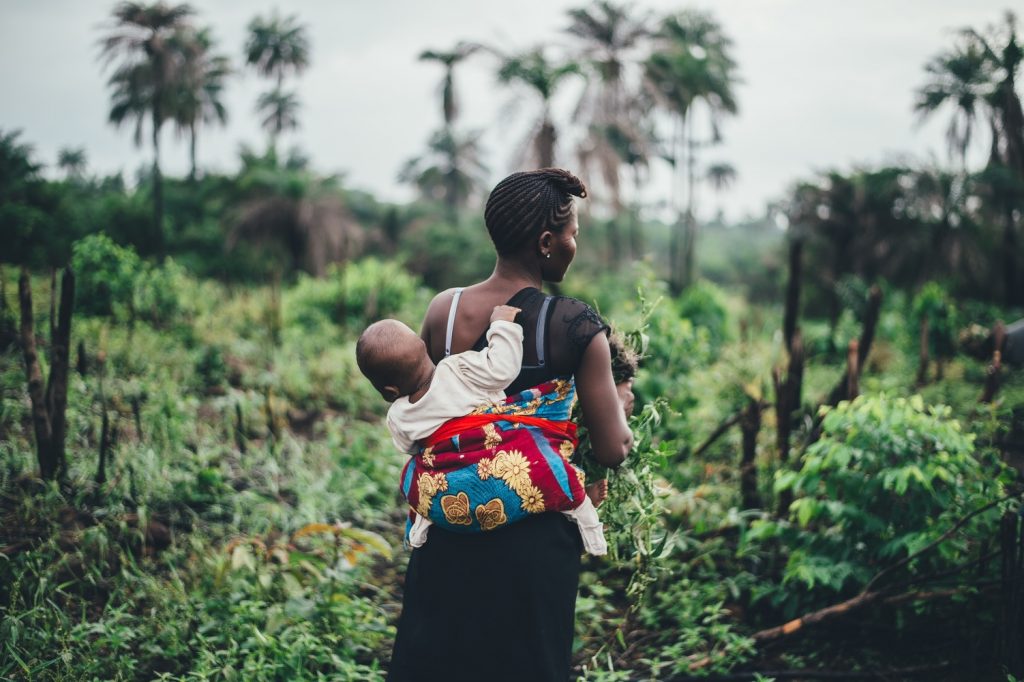
Married life still has a gendered effect on women and men’s labour market outcomes, including their labour force participation, the type of jobs they hold and the forms of labour underutilization they are exposed to.
Having kids sets back women’s labour force participation more so than getting married
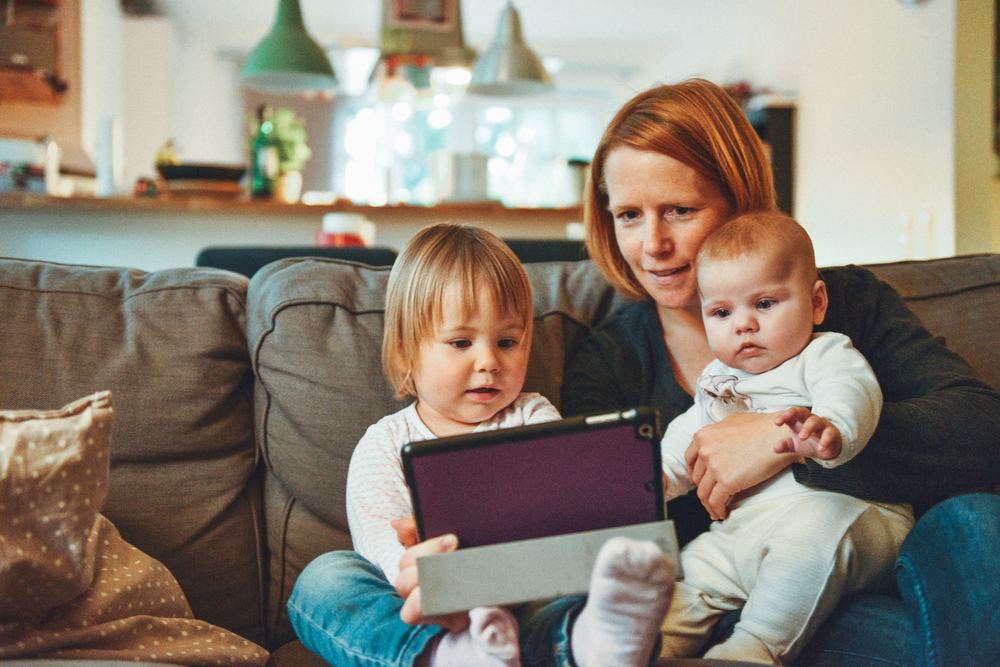
Around the world, gendered social norms continue to shape women’s and men’s participation in the labour market, new data by household composition show.
100 statistics on the ILO and the labour market to celebrate the ILO centenary
100 years of the ILO also means 100 years of ILO’s labour statistics to support the work of countries and organizations around the world in improving labour markets, and of course, to inform its own work. Celebrating the ILO centenary is also celebrating progress in labour statistics.
How do people with disabilities fare in the labour market?
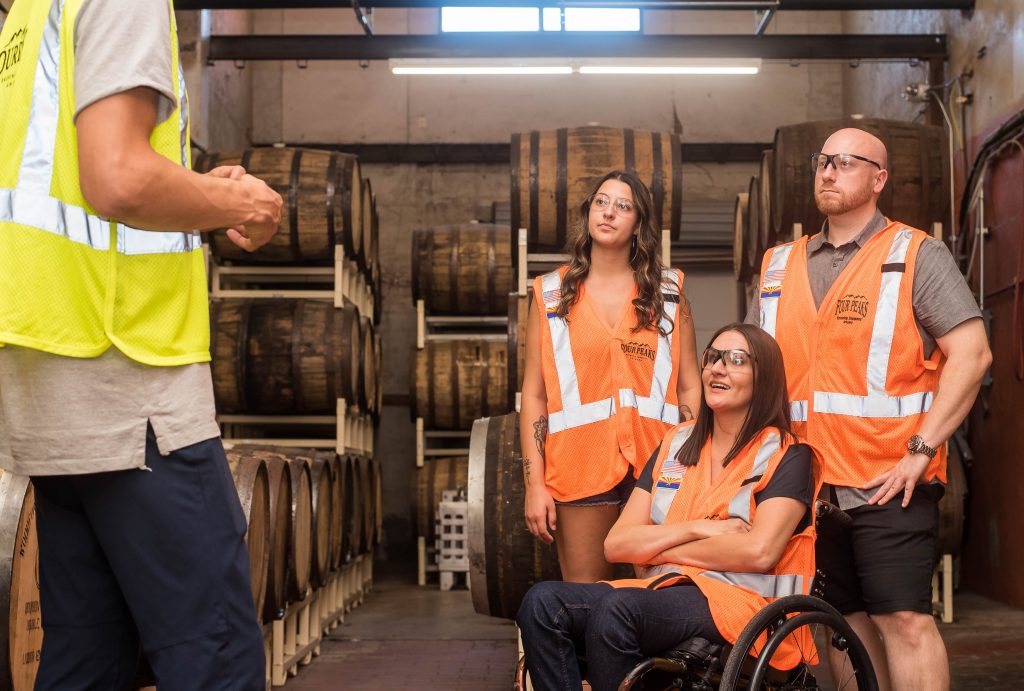
Finding work can be tough for people with disabilities. While the number of people with disabilities in the workforce has been rising in many countries, in part due to changing attitudes and improved legislation, if you have a disability, you’re still more likely to be out of work than a person who doesn’t.