
Transition from school to work remains a difficult process for youth
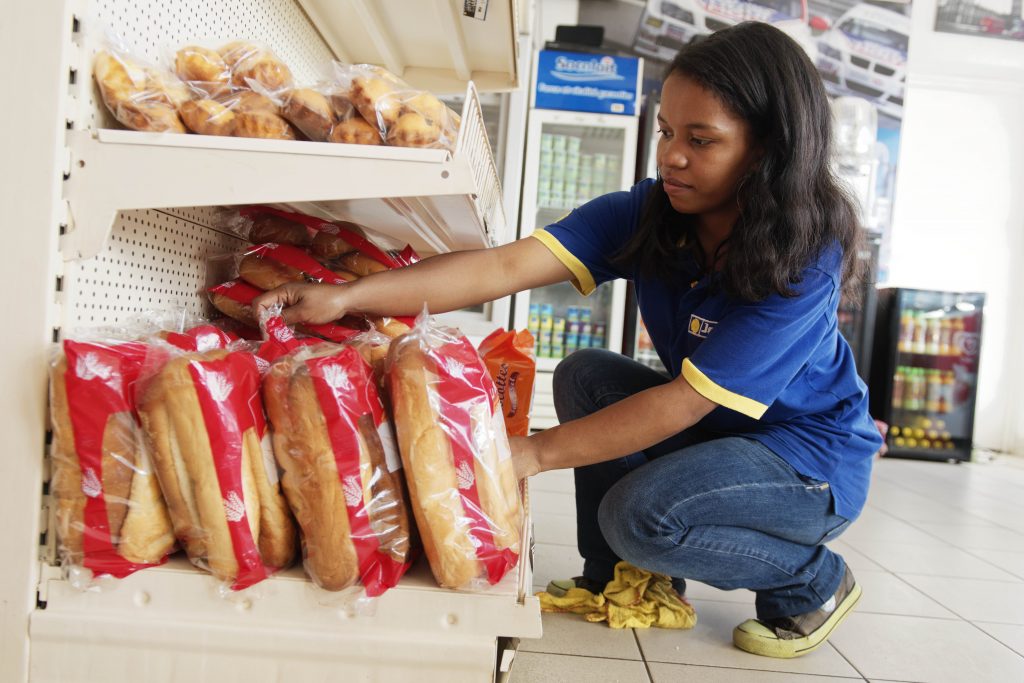
The ease or difficulty with which young people are able to transition from school to work has a lasting impact on their lives and labour market prospects. New indicators in the ILOSTAT database provide insights on youth transitions into the workforce.
Gender equality in the workplace remains elusive

ILOSTAT data show that progress is needed in many areas and in every region to achieve gender equality in the labour market.
Education pays off, but you have to be patient
The educational level of the world’s labour force is increasing, but it is not always easy for highly educated workers to find jobs matching their expectations. This Spotlight on Work Statistics explores the advantages and disadvantages of having a tertiary degree in the labour market.
Are migrants also successful in the labour market?
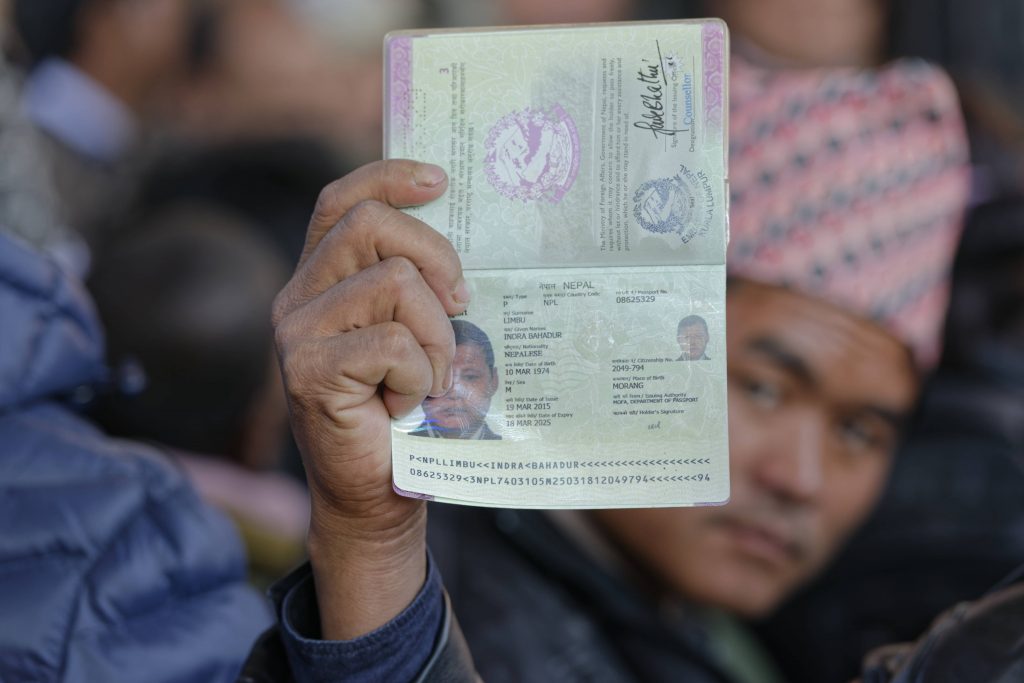
Today is International Migrants Day. As migration draws increasing attention globally, what do we know about the millions of international migrant workers?
100 statistics on the ILO and the labour market to celebrate the ILO centenary

100 years of the ILO also means 100 years of ILO’s labour statistics to support the work of countries and organizations around the world in improving labour markets, and of course, to inform its own work. Celebrating the ILO centenary is also celebrating progress in labour statistics.
Inclusion and diversity in the labour market: a call for LGBT labour statistics

Equal opportunities for employment and equal treatment in employment are a key part of decent work. For LGBT+ workers facing labour market discrimination around the world, this is far from a reality. But in order to know the extent and forms of this discrimination, we need labour statistics on LGBT+ people.
Counting the volunteers the world counts on
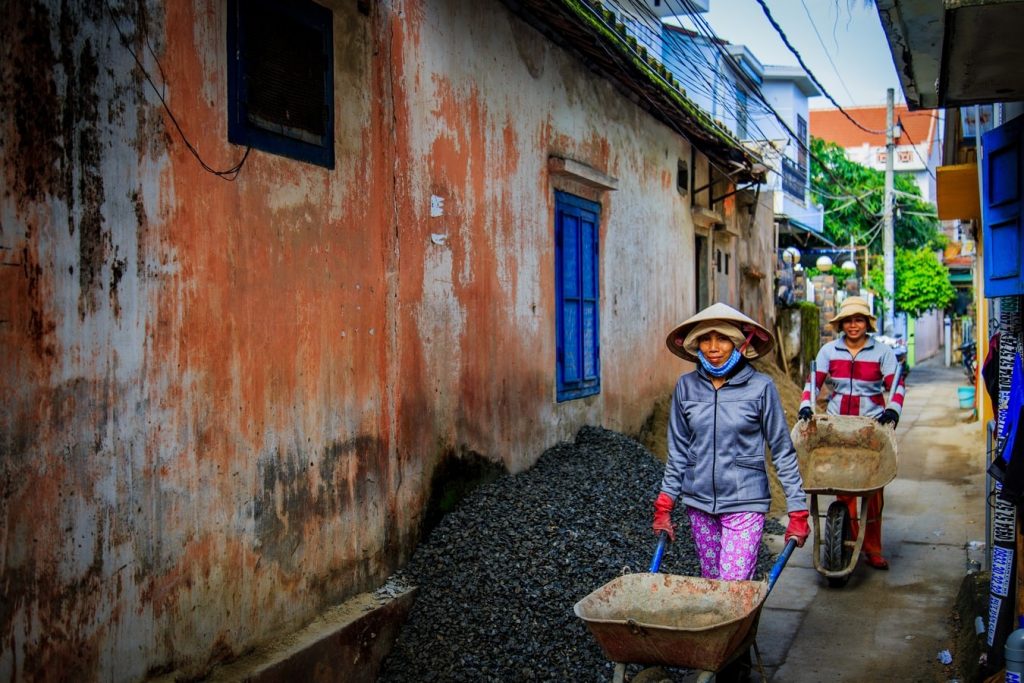
Today, we celebrate International Volunteer Day to recognize the importance of efforts made by volunteers throughout the world to help those who are not able to help themselves, those excluded and left behind.
How do people with disabilities fare in the labour market?

Finding work can be tough for people with disabilities. While the number of people with disabilities in the workforce has been rising in many countries, in part due to changing attitudes and improved legislation, if you have a disability, you’re still more likely to be out of work than a person who doesn’t.
Africa’s employment landscape
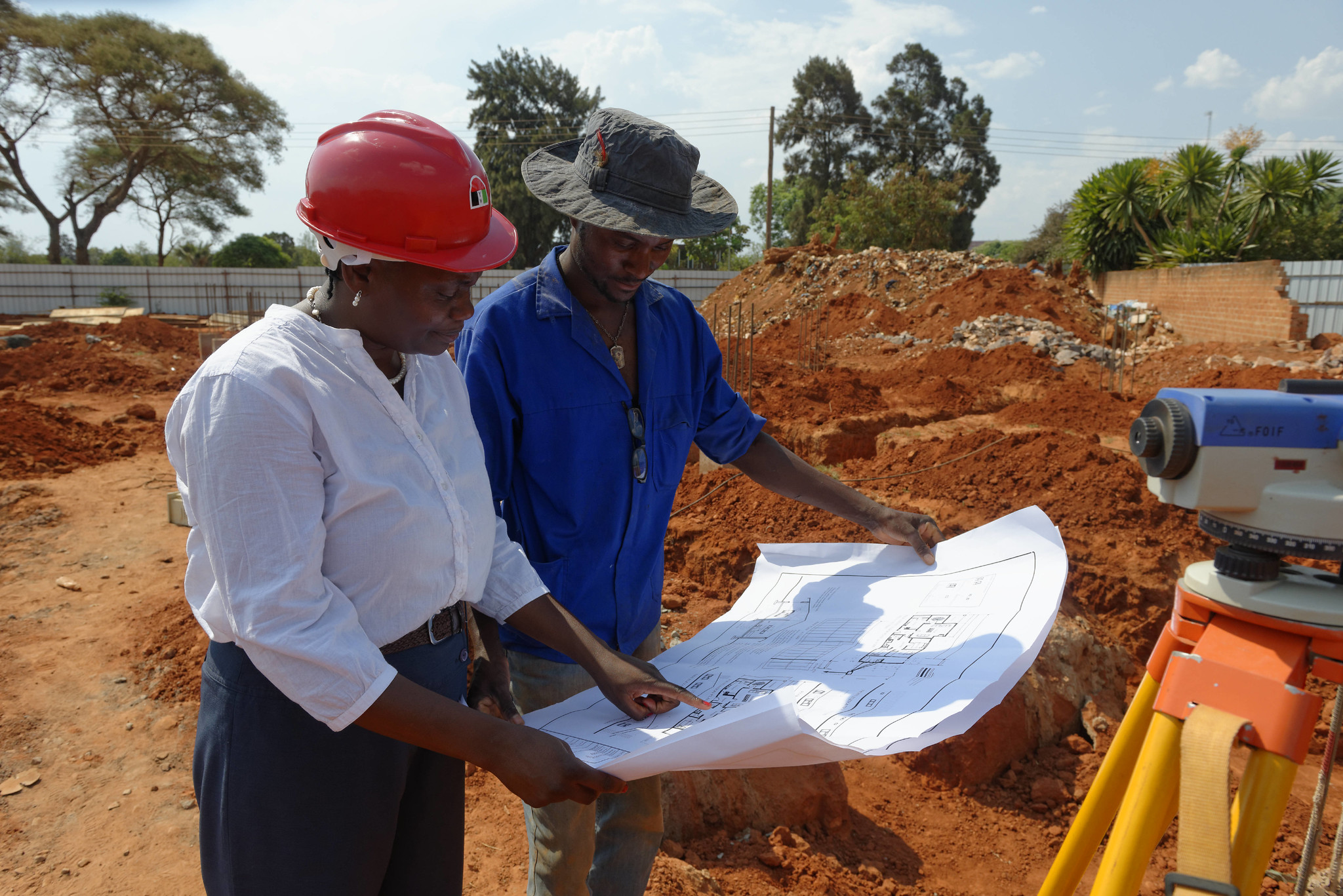
Africa’s employment landscape affects almost 500 million workers. Are there any changes in store for them?
Men are dropping out of the workforce – here’s where the numbers are highest

It’s easy to find statistics about how well the labour market is doing, but scratch below the surface and you’ll find a growing number of men dropping out of the workforce.