
Nurses and midwives: overworked, underpaid, undervalued?

May marks both International Day of the Midwife and International Nurses Day – two groups of workers that play essential roles in any healthcare system. However, both professions – which are dominated by women – are characterised by long hours and low pay. So, what can be done to improve working conditions and help nurses and midwives deliver the best quality care to patients?
Worker and sector profiles (PROFILES database)

Concise description of concepts and definitions, uses, sources and limitations of indicators in the Worker and Sector Profiles, including definitions for the groups of occupations and/or sectors recombined to create these profiles.
Labour Force Statistics (LFS and RURBAN databases)
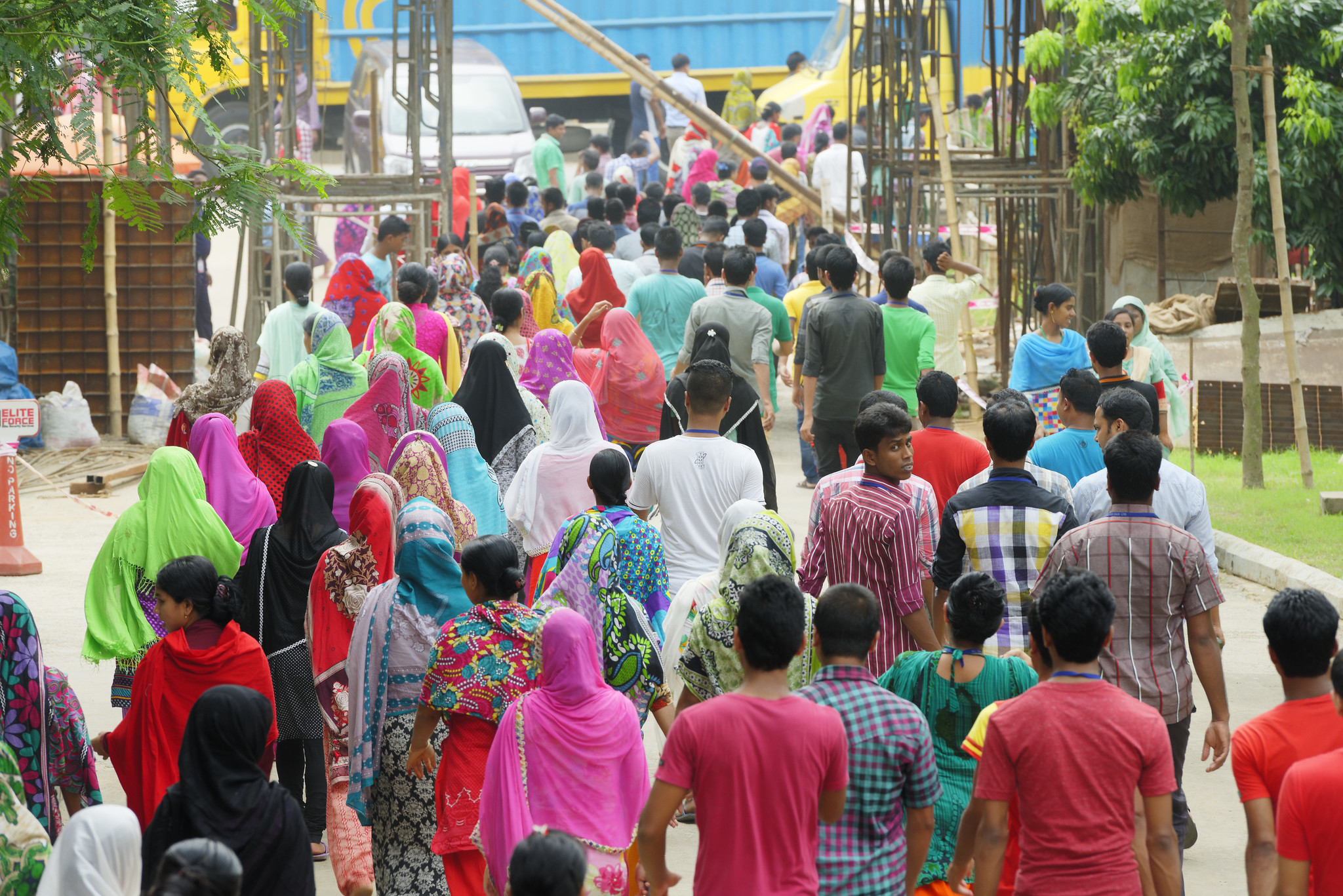
Concise description of concepts and definitions, uses, sources and limitations for labour force statistics in various databases (LFS, STLFS, RURBAN).
Only half of workers worldwide hold jobs corresponding to their level of education

Over the years, considerable effort has been invested in improving the educational attainment of people worldwide, especially as part of the implementation of the Millennium Development Goals and the Sustainable Development Goals. However, the enormous progress achieved in raising levels of education, especially among women and girls, has not translated into corresponding improvements in labour market outcomes.
Education pays off, but you have to be patient

The pandemic is making us rethink and re-organize education. Workers with higher educational attainment may expect to be able to find a job (and a quality job, for that matter) as soon as they become available. But is that so?
COVID-19: are there enough health workers?
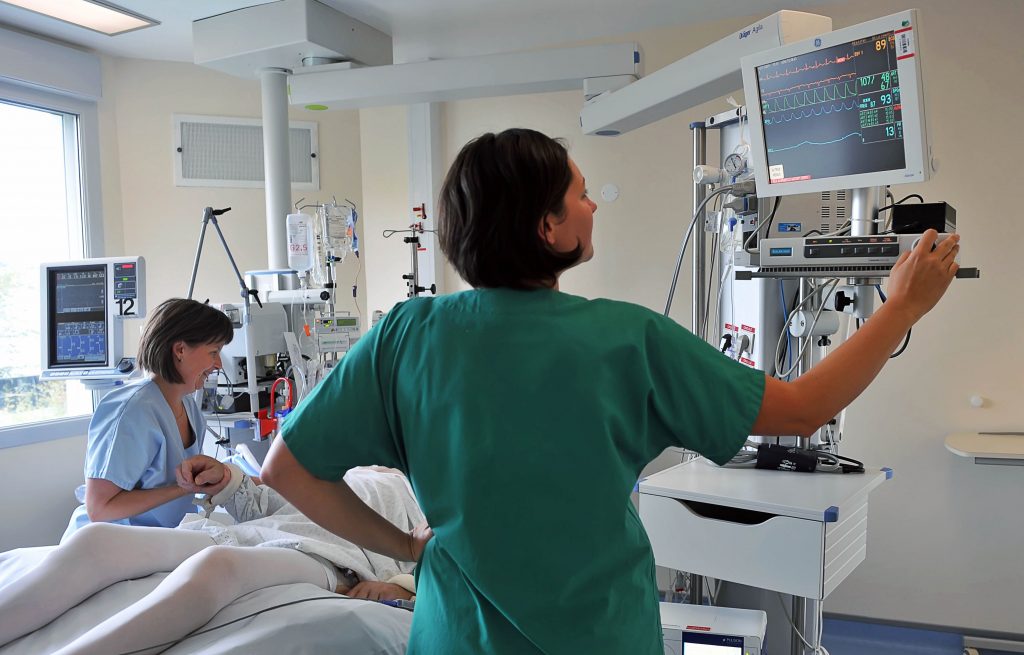
As the COVID-19 crisis puts pressure on health services across the globe, ILOSTAT data highlights the already existing shortages of health workers.
These occupations are dominated by women

What do girls and boys dream of doing when they grow up? Occupations like firefighter, astronaut, doctor and pilot might top the list, but what’s the reality?
258 million workers in the world are over-educated for their jobs

More than 935 million workers in the world have jobs that don’t match their educational level: 72% of them (677 million) are under-educated for their jobs, while the remaining 28% (258 million) are over-educated. This new data in ILOSTAT covers 114 countries, which means that the actual global figures are probably much higher.
How many women work in STEM?

New data on Science, Technology, Engineering and Mathematics (STEM) occupations reveal the extent to which women are employed in this field across countries.
These are the countries with the most teachers

Worldwide, there is large variation across countries in the number of teachers relative to the population. At one extreme, Iceland has 45 teachers for every 1,000 people. At the other extreme, the United Republic of Tanzania has only 2 for every 1,000 people.