
ILO global estimates on international migrants in the labour force: Estimation methodology
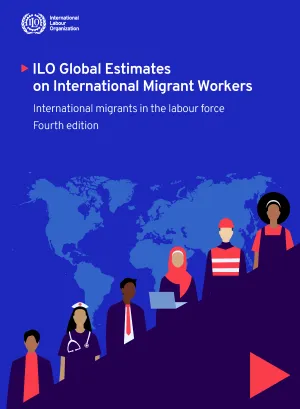
This note presents an overview of the technical foundations of the estimation methodology. It describes the models used, outlines the sources of input data and summarizes the approaches applied to assess the quality of the estimates.
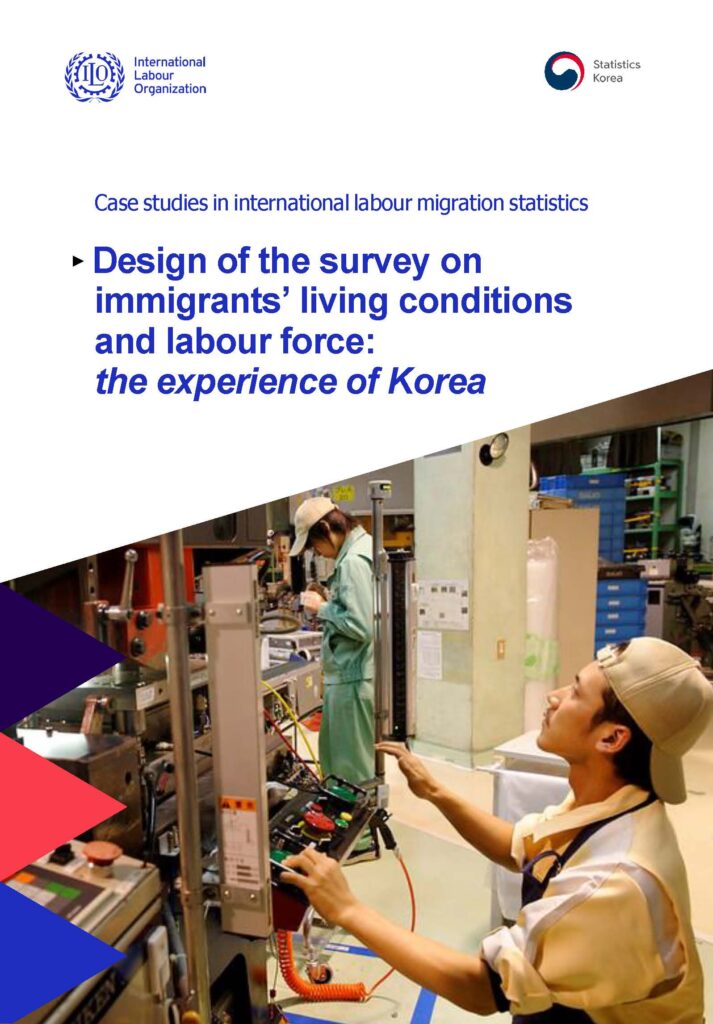
Design of the survey on Immigrants’ Living Conditions and Labour Force: the experience of Korea
Measuring Cooperatives: An information guide on the ILO Guidelines Concerning Statistics of Cooperatives (Second edition)
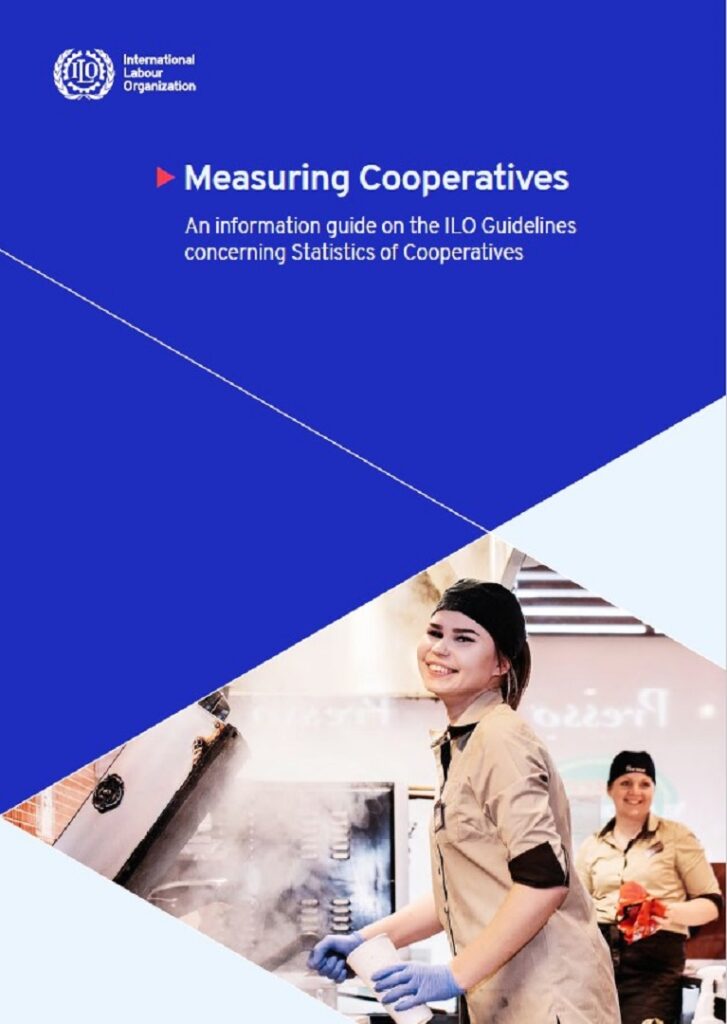
This updated information guide is a practical tool for improving statistics on cooperatives. It turns the Guidelines concerning Statistics of Cooperatives into practical steps for countries. It explains core concepts and definitions (cooperative types, statistical units, work in and around cooperatives) and shows how to collect, tabulate and analyse comparable data.
Understanding the scale of human trafficking for forced labour
ILO, UNODC, and IOM collaborate to develop global statistical guidelines.
Consumer Price Index Manual: Theory, 2025

This is the companion publication to the Consumer Price Index Manual: Concepts and Methods. The Theory publication provides a comprehensive overview of the conceptual and theoretical issues that drive the methods and practices described in the CPI Manual.
Subsistence foodstuff producers: the importance of making their work visible

On World Food Safety Day, the ILO analyzes the work of subsistence foodstuff producers, as per improved international statistical standards.
Visualization tool on the impact of latest statistical standards
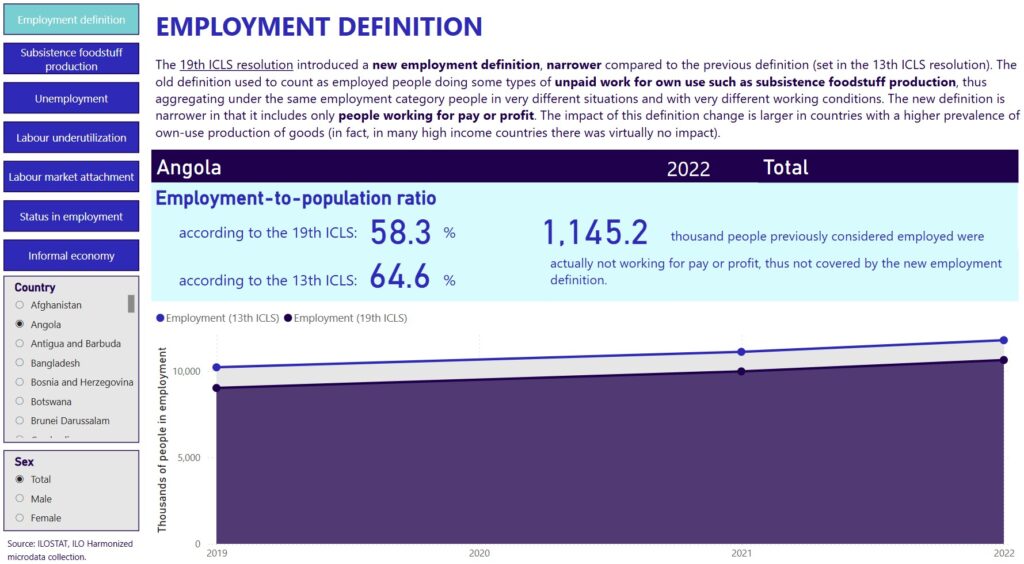
This interactive visualization tool shows the impact of the latest statistical standards across a range of work-related topics, highlighting the increased analytical value of statistics.
Promoting the use of administrative data sources for international labour migration statistics in Türkiye
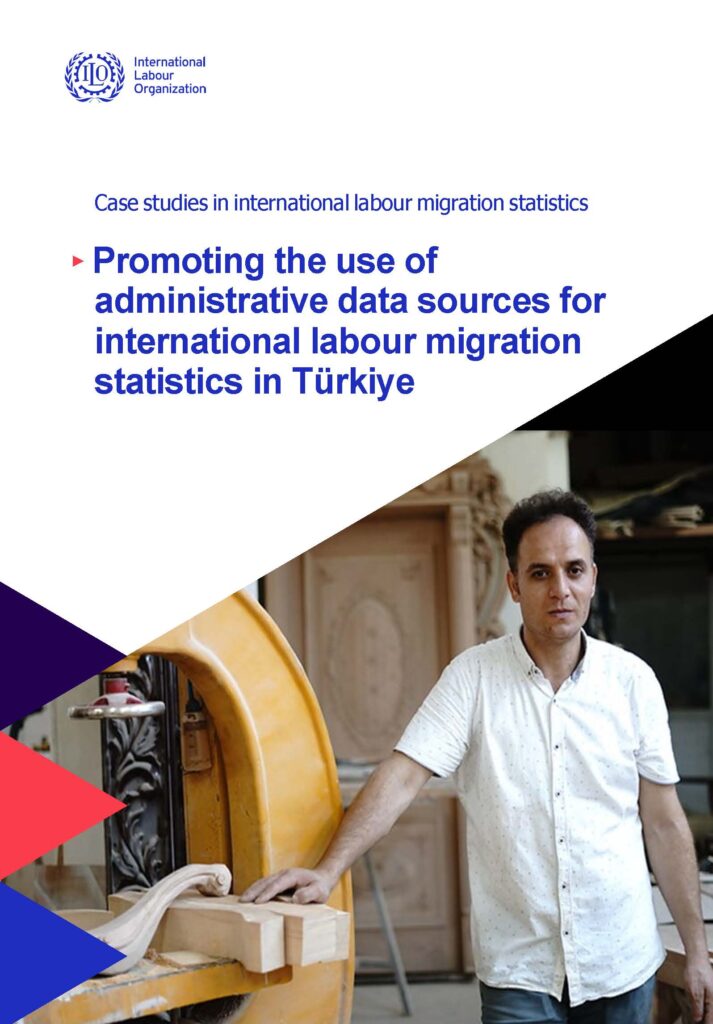
This case study highlights Türkiye’s use of national frameworks for leveraging administrative data to generate labour statistics on international migrants. It also contributes to revising the 2018 ICLS Guidelines.
Quick guide on the communication of results after implementation of latest standards on statistics of work, employment, and labour underutilization
A crucial aspect of the implementation of latest labour statistics standards is the effective communication of the results, to ensure getting the best out of the data. This guide aims to provide practical data visualization examples to convey clearly and intuitively the impact of methodological changes on key labour indicators following the implementation of the 19th ICLS resolution and avoid misinterpretation of the results.
Survey Questions for Collecting Data on Work Relationships and Informality
This document provides recommended survey questions for collecting data on work relationships (ICSE-18), informal employment, and the classification of economic units across three sectors: informal, formal, and household own-use production and community sector. (HOC). It incorporates the 20th ICLS resolution on work relationships (ICSE-18) and the 21st ICLS resolution on statistics for the informal economy.