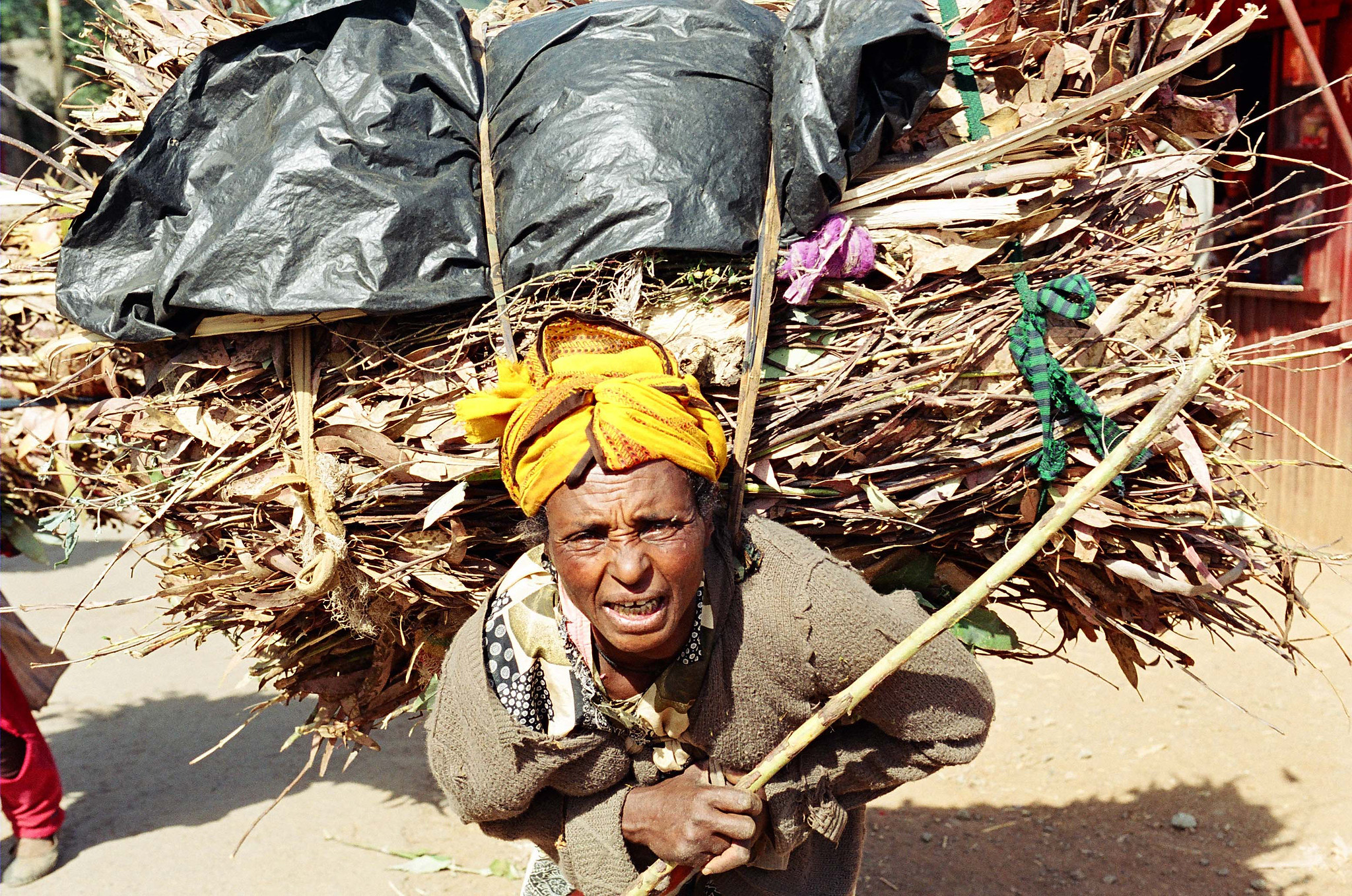
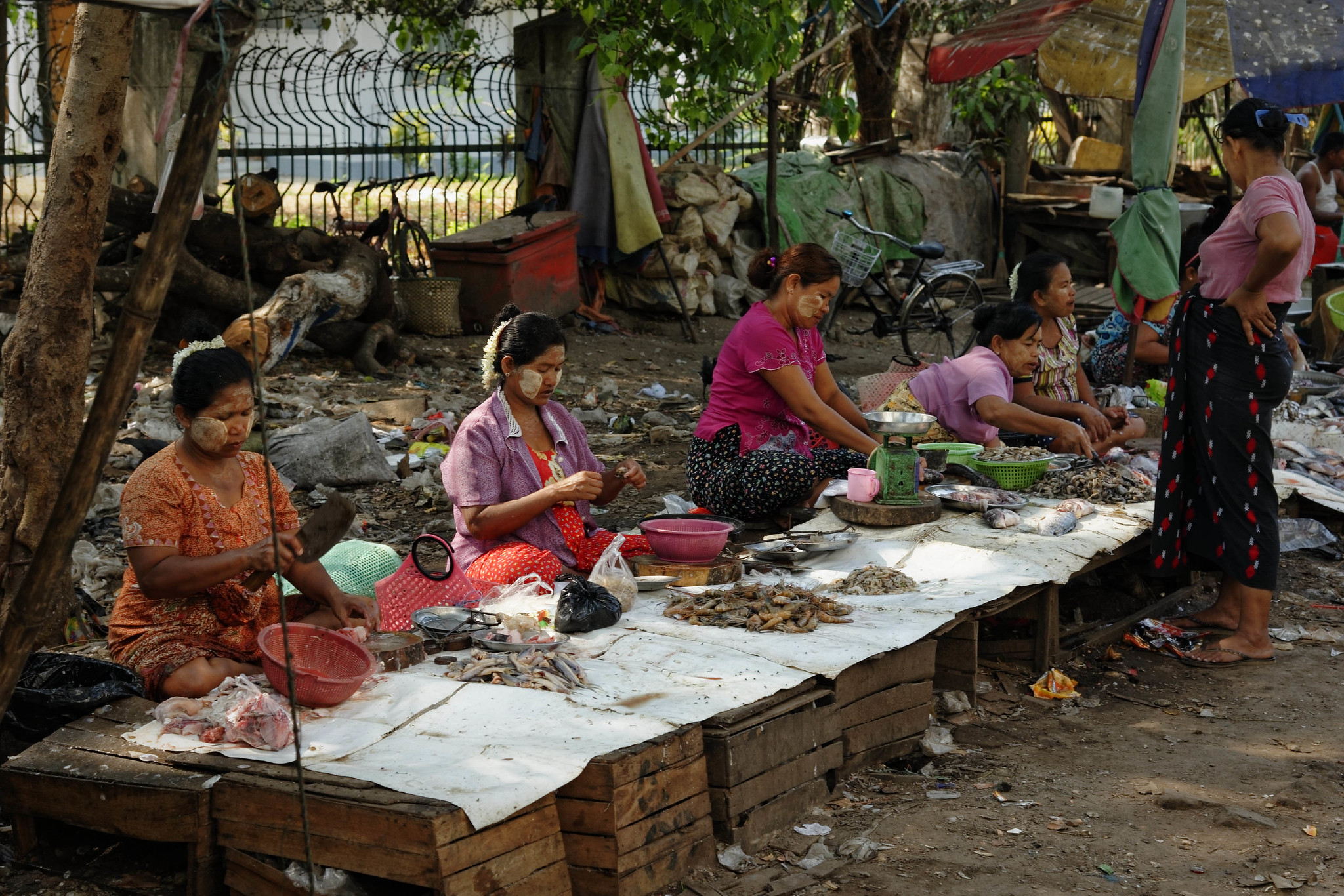
Statistics on women in the labour market describe gender differences in labour market participation, employment outcomes and job characteristics. ILOSTAT data support analysis of gender gaps and segregation in labour markets.
Data catalogue
Below are a subset of the indicators available by sex. See the main data catalogue for more.
|
▸
Population
9 tables
|
||
| Working-age population by sex, age and marital status (thousands) | Annual |
|
| Working-age population by sex, age and marital status (thousands) | Quarterly |
|
| Working-age population by sex and marital status (thousands) | Annual |
|
| Working-age population by sex and marital status (thousands) | Quarterly |
|
| Working-age population by sex and marital status (thousands) | Monthly |
|
| Working-age population by sex, marital status and labour market status (thousands) | Annual |
|
| Working-age population by sex, marital status and labour market status (thousands) | Quarterly |
|
| Working-age population by sex, marital status and labour market status (thousands) | Monthly |
|
| Prime-age population by household type (thousands) | Annual |
|
|
▸
Labour force
13 tables
|
||
| Labour force by sex, age and marital status (thousands) | Annual |
|
| Labour force by sex, age and marital status (thousands) | Quarterly |
|
| Labour force by sex and marital status (thousands) | Annual |
|
| Labour force by sex and marital status (thousands) | Quarterly |
|
| Labour force by sex and marital status (thousands) | Monthly |
|
| Labour force participation rate by sex, age and marital status (%) | Annual |
|
| Labour force participation rate by sex, age and marital status (%) | Quarterly |
|
| Labour force participation rate by sex and marital status (%) | Annual |
|
| Labour force participation rate by sex and marital status (%) | Quarterly |
|
| Labour force participation rate by sex and marital status (%) | Monthly |
|
| Prime-age labour force participation rate by sex and household type (%) | Annual |
|
| Prime-age labour force participation rate by sex, household type and rural / urban areas (%) | Annual |
|
| Prime-age labour force participation rate by sex, household type and presence of children (%) | Annual |
|
|
▸
Employment
26 tables
|
||
| Employment by sex, age and marital status (thousands) | Annual |
|
| Employment by sex, age and marital status (thousands) | Quarterly |
|
| Employment by sex and marital status (thousands) | Annual |
|
| Employment by sex and marital status (thousands) | Quarterly |
|
| Employment by sex and marital status (thousands) | Monthly |
|
| Employment by sex, status in employment and marital status (thousands) | Annual |
|
| Employment by sex, status in employment and marital status (thousands) | Quarterly |
|
| Employment by sex, economic activity and marital status (thousands) | Annual |
|
| Employment by sex, economic activity and marital status (thousands) | Quarterly |
|
| Employment by sex, occupation and marital status (thousands) | Annual |
|
| Employment by sex, occupation and marital status (thousands) | Quarterly |
|
| Employment by sex, public/private sector and marital status (thousands) | Annual |
|
| Employment by sex, public/private sector and marital status (thousands) | Quarterly |
|
| Employment by sex, establishment size and marital status (thousands) | Annual |
|
| Employment by sex, establishment size and marital status (thousands) | Quarterly |
|
| Employment by sex, weekly hours actually worked and marital status (thousands) | Annual |
|
| Employment by sex, weekly hours actually worked and marital status (thousands) | Quarterly |
|
| Employment by sex, multiple job holding and marital status (thousands) | Annual |
|
| Employment by sex, multiple job holding and marital status (thousands) | Quarterly |
|
| Employment-to-population ratio by sex, age and marital status (%) | Annual |
|
| Employment-to-population ratio by sex, age and marital status (%) | Quarterly |
|
| Employment-to-population ratio by sex and marital status (%) | Annual |
|
| Employment-to-population ratio by sex and marital status (%) | Quarterly |
|
| Employment-to-population ratio by sex and marital status (%) | Monthly |
|
| Prime-age employment-to-population ratio by sex, household type and presence of children (%) | Annual |
|
| Prime-age employment-to-population ratio by sex, household type and rural / urban areas (%) | Annual |
|
|
▸
Unemployment
13 tables
|
||
| Unemployment by sex, age and marital status (thousands) | Annual |
|
| Unemployment by sex, age and marital status (thousands) | Quarterly |
|
| Unemployment by sex and marital status (thousands) | Annual |
|
| Unemployment by sex and marital status (thousands) | Quarterly |
|
| Unemployment by sex and marital status (thousands) | Monthly |
|
| Unemployment by sex, duration and marital status (thousands) | Annual |
|
| Unemployment rate by sex, age and marital status (%) | Annual |
|
| Unemployment rate by sex, age and marital status (%) | Quarterly |
|
| Unemployment rate by sex and marital status (%) | Annual |
|
| Unemployment rate by sex and marital status (%) | Quarterly |
|
| Unemployment rate by sex and marital status (%) | Monthly |
|
| Prime-age unemployment rate by sex, household type and presence of children (%) | Annual |
|
| Prime-age unemployment rate by sex, household type and rural / urban areas (%) | Annual |
|
|
▸
Time-related underemployment
8 tables
|
||
| Time-related underemployment by sex, age and marital status (thousands) | Annual |
|
| Time-related underemployment by sex, age and marital status (thousands) | Quarterly |
|
| Time-related underemployment by sex and marital status (thousands) | Annual |
|
| Time-related underemployment by sex and marital status (thousands) | Quarterly |
|
| Time-related underemployment rate by sex, age and marital status (%) | Annual |
|
| Time-related underemployment rate by sex, age and marital status (%) | Quarterly |
|
| Time-related underemployment rate by sex and marital status (%) | Annual |
|
| Time-related underemployment rate by sex and marital status (%) | Quarterly |
|
|
▸
Other measures of labour underutilization
42 tables
|
||
| Combined rate of time-related underemployment and unemployment (LU2) by sex, age and marital status (%) | Annual |
|
| Combined rate of time-related underemployment and unemployment (LU2) by sex, age and marital status (%) | Quarterly |
|
| Combined rate of time-related underemployment and unemployment (LU2) by sex and marital status (%) | Annual |
|
| Combined rate of time-related underemployment and unemployment (LU2) by sex and marital status (%) | Quarterly |
|
| Prime-age combined rate of time-related underemployment and unemployment (LU2) by sex, household type and presence of children (%) | Annual |
|
| Prime-age combined rate of time-related underemployment and unemployment (LU2) by sex, household type and rural / urban areas (%) | Annual |
|
| Combined rate of unemployment and potential labour force (LU3) by sex, age and marital status (%) | Annual |
|
| Combined rate of unemployment and potential labour force (LU3) by sex, age and marital status (%) | Quarterly |
|
| Combined rate of unemployment and potential labour force (LU3) by sex and marital status (%) | Annual |
|
| Combined rate of unemployment and potential labour force (LU3) by sex and marital status (%) | Quarterly |
|
| Prime-age combined rate of unemployment and potential labour force (LU3) by sex, household type and presence of children (%) | Annual |
|
| Prime-age combined rate of unemployment and potential labour force (LU3) by sex, household type and rural / urban areas (%) | Annual |
|
| Composite rate of labour underutilization (LU4) by sex, age and marital status (%) | Annual |
|
| Composite rate of labour underutilization (LU4) by sex, age and marital status (%) | Quarterly |
|
| Composite rate of labour underutilization (LU4) by sex and marital status (%) | Annual |
|
| Composite rate of labour underutilization (LU4) by sex and marital status (%) | Quarterly |
|
| Prime-age composite rate of labour underutilization (LU4) by sex, household type and presence of children (%) | Annual |
|
| Prime-age composite rate of labour underutilization (LU4) by sex, household type and rural / urban areas (%) | Annual |
|
| Discouraged job-seekers by sex, age and marital status (thousands) | Annual |
|
| Discouraged job-seekers by sex, age and marital status (thousands) | Quarterly |
|
| Discouraged job-seekers by sex and marital status (thousands) | Annual |
|
| Discouraged job-seekers by sex and marital status (thousands) | Quarterly |
|
| Potential labour force by sex, age and marital status (thousands) | Annual |
|
| Potential labour force by sex, age and marital status (thousands) | Quarterly |
|
| Potential labour force by sex and marital status (thousands) | Annual |
|
| Potential labour force by sex and marital status (thousands) | Quarterly |
|
| Persons outside the labour force by sex, age and marital status (thousands) | Annual |
|
| Persons outside the labour force by sex, age and marital status (thousands) | Quarterly |
|
| Persons outside the labour force by sex and marital status (thousands) | Annual |
|
| Persons outside the labour force by sex and marital status (thousands) | Quarterly |
|
| Persons outside the labour force by sex and marital status (thousands) | Monthly |
|
| Inactivity rate by sex, age and marital status (%) | Annual |
|
| Inactivity rate by sex, age and marital status (%) | Quarterly |
|
| Inactivity rate by sex and marital status (%) | Annual |
|
| Inactivity rate by sex and marital status (%) | Quarterly |
|
| Inactivity rate by sex and marital status (%) | Monthly |
|
| Share of persons outside the labour force due to care responsibilities by sex (%) | Annual |
|
| Share of persons outside the labour force due to care responsibilities by sex and age (%) | Annual |
|
| Share of persons outside the labour force due to care responsibilities by sex and education (%) | Annual |
|
| Share of persons outside the labour force due to care responsibilities by sex and rural / urban areas (%) | Annual |
|
| Youth not in employment, education or training (NEET) by sex and marital status (thousands) | Annual |
|
| Share of youth not in employment, education or training (NEET) by sex and marital status (%) | Annual |
|
|
▸
Employees
13 tables
|
||
| Employees by sex, age and marital status (thousands) | Annual |
|
| Employees by sex, age and marital status (thousands) | Quarterly |
|
| Employees by sex and marital status (thousands) | Annual |
|
| Employees by sex and marital status (thousands) | Quarterly |
|
| Employees by sex and marital status (thousands) | Monthly |
|
| Employees by sex, economic activity and marital status (thousands) | Annual |
|
| Employees by sex, economic activity and marital status (thousands) | Quarterly |
|
| Employees by sex, occupation and marital status (thousands) | Annual |
|
| Employees by sex, occupation and marital status (thousands) | Quarterly |
|
| Employees by sex, public/private sector and marital status (thousands) | Annual |
|
| Employees by sex, public/private sector and marital status (thousands) | Quarterly |
|
| Employees by sex, establishment size and marital status (thousands) | Annual |
|
| Employees by sex, establishment size and marital status (thousands) | Quarterly |
|
|
▸
Informal economy
52 tables
|
||
| Informal employment by sex, age and marital status (thousands) | Annual |
|
| Informal employment by sex, age and marital status (thousands) | Quarterly |
|
| Informal employment by sex and marital status (thousands) | Annual |
|
| Informal employment by sex and marital status (thousands) | Quarterly |
|
| Informal employment by sex and marital status (thousands) | Monthly |
|
| Informal employment by sex, economic activity and marital status (thousands) | Annual |
|
| Informal employment by sex, economic activity and marital status (thousands) | Quarterly |
|
| Informal employment by sex, occupation and marital status (thousands) | Annual |
|
| Informal employment by sex, occupation and marital status (thousands) | Quarterly |
|
| Informal employment by sex, public/private sector and marital status (thousands) | Annual |
|
| Informal employment by sex, public/private sector and marital status (thousands) | Quarterly |
|
| Informal employment by sex, establishment size and marital status (thousands) | Annual |
|
| Informal employment by sex, establishment size and marital status (thousands) | Quarterly |
|
| Informal employment rate by sex, age and marital status (%) | Annual |
|
| Informal employment rate by sex, age and marital status (%) | Quarterly |
|
| Informal employment rate by sex and marital status (%) | Annual |
|
| Informal employment rate by sex and marital status (%) | Quarterly |
|
| Informal employment rate by sex and marital status (%) | Monthly |
|
| Informal employment rate by sex, economic activity and marital status (%) | Annual |
|
| Informal employment rate by sex, economic activity and marital status (%) | Quarterly |
|
| Informal employment rate by sex, occupation and marital status (%) | Annual |
|
| Informal employment rate by sex, occupation and marital status (%) | Quarterly |
|
| Informal employment rate by sex, public/private sector and marital status (%) | Annual |
|
| Informal employment rate by sex, public/private sector and marital status (%) | Quarterly |
|
| Informal employment rate by sex, establishment size and marital status (%) | Annual |
|
| Informal employment rate by sex, establishment size and marital status (%) | Quarterly |
|
| Employment outside the formal sector by sex, age and marital status (thousands) | Annual |
|
| Employment outside the formal sector by sex, age and marital status (thousands) | Quarterly |
|
| Employment outside the formal sector by sex and marital status (thousands) | Annual |
|
| Employment outside the formal sector by sex and marital status (thousands) | Quarterly |
|
| Employment outside the formal sector by sex and marital status (thousands) | Monthly |
|
| Employment outside the formal sector by sex, economic activity and marital status (thousands) | Annual |
|
| Employment outside the formal sector by sex, economic activity and marital status (thousands) | Quarterly |
|
| Employment outside the formal sector by sex, occupation and marital status (thousands) | Annual |
|
| Employment outside the formal sector by sex, occupation and marital status (thousands) | Quarterly |
|
| Employment outside the formal sector by sex, public/private sector and marital status (thousands) | Annual |
|
| Employment outside the formal sector by sex, public/private sector and marital status (thousands) | Quarterly |
|
| Employment outside the formal sector by sex, establishment size and marital status (thousands) | Annual |
|
| Employment outside the formal sector by sex, establishment size and marital status (thousands) | Quarterly |
|
| Share of employment outside the formal sector by sex, age and marital status (%) | Annual |
|
| Share of employment outside the formal sector by sex, age and marital status (%) | Quarterly |
|
| Share of employment outside the formal sector by sex and marital status (%) | Annual |
|
| Share of employment outside the formal sector by sex and marital status (%) | Quarterly |
|
| Share of employment outside the formal sector by sex and marital status (%) | Monthly |
|
| Share of employment outside the formal sector by sex, economic activity and marital status (%) | Annual |
|
| Share of employment outside the formal sector by sex, economic activity and marital status (%) | Quarterly |
|
| Share of employment outside the formal sector by sex, occupation and marital status (%) | Annual |
|
| Share of employment outside the formal sector by sex, occupation and marital status (%) | Quarterly |
|
| Share of employment outside the formal sector by sex, public/private sector and marital status (%) | Annual |
|
| Share of employment outside the formal sector by sex, public/private sector and marital status (%) | Quarterly |
|
| Share of employment outside the formal sector by sex, establishment size and marital status (%) | Annual |
|
| Share of employment outside the formal sector by sex, establishment size and marital status (%) | Quarterly |
|
|
▸
Hours of work
2 tables
|
||
| Mean weekly hours actually worked of prime-age employed persons by sex, household type and presence of children | Annual |
|
| Mean weekly hours actually worked of prime-age employed persons by sex, household type and rural / urban areas | Annual |
|
|
▸
Earnings
2 tables
|
||
| Average monthly earnings of prime-age employees by sex, household type and presence of children (local currency) | Annual |
|
| Average monthly earnings of prime-age employees by sex, household type and rural / urban areas (local currency) | Annual |
|
|
▸
Income and pay inequality
2 tables
|
||
| Female share of low pay earners (%) | Annual |
|
| Gender wage gap by occupation (%) | Annual |
|
|
▸
Gender Equality and Non-Discrimination Indicators (GEND)
182 tables
|
||
| Working-age population by sex, age and marital status (thousands) | Annual |
|
| Working-age population by sex, age and marital status (thousands) | Quarterly |
|
| Working-age population by sex and marital status (thousands) | Annual |
|
| Working-age population by sex and marital status (thousands) | Quarterly |
|
| Working-age population by sex and marital status (thousands) | Monthly |
|
| Working-age population by sex, marital status and labour market status (thousands) | Annual |
|
| Working-age population by sex, marital status and labour market status (thousands) | Quarterly |
|
| Working-age population by sex, marital status and labour market status (thousands) | Monthly |
|
| Prime-age population by household type (thousands) | Annual |
|
| Labour force by sex, age and marital status (thousands) | Annual |
|
| Labour force by sex, age and marital status (thousands) | Quarterly |
|
| Labour force by sex and marital status (thousands) | Annual |
|
| Labour force by sex and marital status (thousands) | Quarterly |
|
| Labour force by sex and marital status (thousands) | Monthly |
|
| Labour force participation rate by sex, age and marital status (%) | Annual |
|
| Labour force participation rate by sex, age and marital status (%) | Quarterly |
|
| Labour force participation rate by sex and marital status (%) | Annual |
|
| Labour force participation rate by sex and marital status (%) | Quarterly |
|
| Labour force participation rate by sex and marital status (%) | Monthly |
|
| Prime-age labour force participation rate by sex and household type (%) | Annual |
|
| Prime-age labour force participation rate by sex, household type and rural / urban areas (%) | Annual |
|
| Prime-age labour force participation rate by sex, household type and presence of children (%) | Annual |
|
| Employment by sex, age and marital status (thousands) | Annual |
|
| Employment by sex, age and marital status (thousands) | Quarterly |
|
| Employment by sex and marital status (thousands) | Annual |
|
| Employment by sex and marital status (thousands) | Quarterly |
|
| Employment by sex and marital status (thousands) | Monthly |
|
| Employment by sex, status in employment and marital status (thousands) | Annual |
|
| Employment by sex, status in employment and marital status (thousands) | Quarterly |
|
| Employment by sex, economic activity and marital status (thousands) | Annual |
|
| Employment by sex, economic activity and marital status (thousands) | Quarterly |
|
| Employment by sex, occupation and marital status (thousands) | Annual |
|
| Employment by sex, occupation and marital status (thousands) | Quarterly |
|
| Employment by sex, public/private sector and marital status (thousands) | Annual |
|
| Employment by sex, public/private sector and marital status (thousands) | Quarterly |
|
| Employment by sex, establishment size and marital status (thousands) | Annual |
|
| Employment by sex, establishment size and marital status (thousands) | Quarterly |
|
| Employment by sex, weekly hours actually worked and marital status (thousands) | Annual |
|
| Employment by sex, weekly hours actually worked and marital status (thousands) | Quarterly |
|
| Employment by sex, multiple job holding and marital status (thousands) | Annual |
|
| Employment by sex, multiple job holding and marital status (thousands) | Quarterly |
|
| Employment-to-population ratio by sex, age and marital status (%) | Annual |
|
| Employment-to-population ratio by sex, age and marital status (%) | Quarterly |
|
| Employment-to-population ratio by sex and marital status (%) | Annual |
|
| Employment-to-population ratio by sex and marital status (%) | Quarterly |
|
| Employment-to-population ratio by sex and marital status (%) | Monthly |
|
| Prime-age employment-to-population ratio by sex, household type and presence of children (%) | Annual |
|
| Prime-age employment-to-population ratio by sex, household type and rural / urban areas (%) | Annual |
|
| Informal employment by sex, age and marital status (thousands) | Annual |
|
| Informal employment by sex, age and marital status (thousands) | Quarterly |
|
| Informal employment by sex and marital status (thousands) | Annual |
|
| Informal employment by sex and marital status (thousands) | Quarterly |
|
| Informal employment by sex and marital status (thousands) | Monthly |
|
| Informal employment by sex, economic activity and marital status (thousands) | Annual |
|
| Informal employment by sex, economic activity and marital status (thousands) | Quarterly |
|
| Informal employment by sex, occupation and marital status (thousands) | Annual |
|
| Informal employment by sex, occupation and marital status (thousands) | Quarterly |
|
| Informal employment by sex, public/private sector and marital status (thousands) | Annual |
|
| Informal employment by sex, public/private sector and marital status (thousands) | Quarterly |
|
| Informal employment by sex, establishment size and marital status (thousands) | Annual |
|
| Informal employment by sex, establishment size and marital status (thousands) | Quarterly |
|
| Informal employment rate by sex, age and marital status (%) | Annual |
|
| Informal employment rate by sex, age and marital status (%) | Quarterly |
|
| Informal employment rate by sex and marital status (%) | Annual |
|
| Informal employment rate by sex and marital status (%) | Quarterly |
|
| Informal employment rate by sex and marital status (%) | Monthly |
|
| Informal employment rate by sex, economic activity and marital status (%) | Annual |
|
| Informal employment rate by sex, economic activity and marital status (%) | Quarterly |
|
| Informal employment rate by sex, occupation and marital status (%) | Annual |
|
| Informal employment rate by sex, occupation and marital status (%) | Quarterly |
|
| Informal employment rate by sex, public/private sector and marital status (%) | Annual |
|
| Informal employment rate by sex, public/private sector and marital status (%) | Quarterly |
|
| Informal employment rate by sex, establishment size and marital status (%) | Annual |
|
| Informal employment rate by sex, establishment size and marital status (%) | Quarterly |
|
| Employment outside the formal sector by sex, age and marital status (thousands) | Annual |
|
| Employment outside the formal sector by sex, age and marital status (thousands) | Quarterly |
|
| Employment outside the formal sector by sex and marital status (thousands) | Annual |
|
| Employment outside the formal sector by sex and marital status (thousands) | Quarterly |
|
| Employment outside the formal sector by sex and marital status (thousands) | Monthly |
|
| Employment outside the formal sector by sex, economic activity and marital status (thousands) | Annual |
|
| Employment outside the formal sector by sex, economic activity and marital status (thousands) | Quarterly |
|
| Employment outside the formal sector by sex, occupation and marital status (thousands) | Annual |
|
| Employment outside the formal sector by sex, occupation and marital status (thousands) | Quarterly |
|
| Employment outside the formal sector by sex, public/private sector and marital status (thousands) | Annual |
|
| Employment outside the formal sector by sex, public/private sector and marital status (thousands) | Quarterly |
|
| Employment outside the formal sector by sex, establishment size and marital status (thousands) | Annual |
|
| Employment outside the formal sector by sex, establishment size and marital status (thousands) | Quarterly |
|
| Share of employment outside the formal sector by sex, age and marital status (%) | Annual |
|
| Share of employment outside the formal sector by sex, age and marital status (%) | Quarterly |
|
| Share of employment outside the formal sector by sex and marital status (%) | Annual |
|
| Share of employment outside the formal sector by sex and marital status (%) | Quarterly |
|
| Share of employment outside the formal sector by sex and marital status (%) | Monthly |
|
| Share of employment outside the formal sector by sex, economic activity and marital status (%) | Annual |
|
| Share of employment outside the formal sector by sex, economic activity and marital status (%) | Quarterly |
|
| Share of employment outside the formal sector by sex, occupation and marital status (%) | Annual |
|
| Share of employment outside the formal sector by sex, occupation and marital status (%) | Quarterly |
|
| Share of employment outside the formal sector by sex, public/private sector and marital status (%) | Annual |
|
| Share of employment outside the formal sector by sex, public/private sector and marital status (%) | Quarterly |
|
| Share of employment outside the formal sector by sex, establishment size and marital status (%) | Annual |
|
| Share of employment outside the formal sector by sex, establishment size and marital status (%) | Quarterly |
|
| Employees by sex, age and marital status (thousands) | Annual |
|
| Employees by sex, age and marital status (thousands) | Quarterly |
|
| Employees by sex and marital status (thousands) | Annual |
|
| Employees by sex and marital status (thousands) | Quarterly |
|
| Employees by sex and marital status (thousands) | Monthly |
|
| Employees by sex, economic activity and marital status (thousands) | Annual |
|
| Employees by sex, economic activity and marital status (thousands) | Quarterly |
|
| Employees by sex, occupation and marital status (thousands) | Annual |
|
| Employees by sex, occupation and marital status (thousands) | Quarterly |
|
| Employees by sex, public/private sector and marital status (thousands) | Annual |
|
| Employees by sex, public/private sector and marital status (thousands) | Quarterly |
|
| Employees by sex, establishment size and marital status (thousands) | Annual |
|
| Employees by sex, establishment size and marital status (thousands) | Quarterly |
|
| Time-related underemployment by sex, age and marital status (thousands) | Annual |
|
| Time-related underemployment by sex, age and marital status (thousands) | Quarterly |
|
| Time-related underemployment by sex and marital status (thousands) | Annual |
|
| Time-related underemployment by sex and marital status (thousands) | Quarterly |
|
| Time-related underemployment rate by sex, age and marital status (%) | Annual |
|
| Time-related underemployment rate by sex, age and marital status (%) | Quarterly |
|
| Time-related underemployment rate by sex and marital status (%) | Annual |
|
| Time-related underemployment rate by sex and marital status (%) | Quarterly |
|
| Unemployment by sex, age and marital status (thousands) | Annual |
|
| Unemployment by sex, age and marital status (thousands) | Quarterly |
|
| Unemployment by sex and marital status (thousands) | Annual |
|
| Unemployment by sex and marital status (thousands) | Quarterly |
|
| Unemployment by sex and marital status (thousands) | Monthly |
|
| Unemployment by sex, duration and marital status (thousands) | Annual |
|
| Unemployment rate by sex, age and marital status (%) | Annual |
|
| Unemployment rate by sex, age and marital status (%) | Quarterly |
|
| Unemployment rate by sex and marital status (%) | Annual |
|
| Unemployment rate by sex and marital status (%) | Quarterly |
|
| Unemployment rate by sex and marital status (%) | Monthly |
|
| Prime-age unemployment rate by sex, household type and presence of children (%) | Annual |
|
| Prime-age unemployment rate by sex, household type and rural / urban areas (%) | Annual |
|
| Combined rate of time-related underemployment and unemployment (LU2) by sex, age and marital status (%) | Annual |
|
| Combined rate of time-related underemployment and unemployment (LU2) by sex, age and marital status (%) | Quarterly |
|
| Combined rate of time-related underemployment and unemployment (LU2) by sex and marital status (%) | Annual |
|
| Combined rate of time-related underemployment and unemployment (LU2) by sex and marital status (%) | Quarterly |
|
| Prime-age combined rate of time-related underemployment and unemployment (LU2) by sex, household type and presence of children (%) | Annual |
|
| Prime-age combined rate of time-related underemployment and unemployment (LU2) by sex, household type and rural / urban areas (%) | Annual |
|
| Combined rate of unemployment and potential labour force (LU3) by sex, age and marital status (%) | Annual |
|
| Combined rate of unemployment and potential labour force (LU3) by sex, age and marital status (%) | Quarterly |
|
| Combined rate of unemployment and potential labour force (LU3) by sex and marital status (%) | Annual |
|
| Combined rate of unemployment and potential labour force (LU3) by sex and marital status (%) | Quarterly |
|
| Prime-age combined rate of unemployment and potential labour force (LU3) by sex, household type and presence of children (%) | Annual |
|
| Prime-age combined rate of unemployment and potential labour force (LU3) by sex, household type and rural / urban areas (%) | Annual |
|
| Composite rate of labour underutilization (LU4) by sex, age and marital status (%) | Annual |
|
| Composite rate of labour underutilization (LU4) by sex, age and marital status (%) | Quarterly |
|
| Composite rate of labour underutilization (LU4) by sex and marital status (%) | Annual |
|
| Composite rate of labour underutilization (LU4) by sex and marital status (%) | Quarterly |
|
| Prime-age composite rate of labour underutilization (LU4) by sex, household type and presence of children (%) | Annual |
|
| Prime-age composite rate of labour underutilization (LU4) by sex, household type and rural / urban areas (%) | Annual |
|
| Discouraged job-seekers by sex, age and marital status (thousands) | Annual |
|
| Discouraged job-seekers by sex, age and marital status (thousands) | Quarterly |
|
| Discouraged job-seekers by sex and marital status (thousands) | Annual |
|
| Discouraged job-seekers by sex and marital status (thousands) | Quarterly |
|
| Potential labour force by sex, age and marital status (thousands) | Annual |
|
| Potential labour force by sex, age and marital status (thousands) | Quarterly |
|
| Potential labour force by sex and marital status (thousands) | Annual |
|
| Potential labour force by sex and marital status (thousands) | Quarterly |
|
| Persons outside the labour force by sex, age and marital status (thousands) | Annual |
|
| Persons outside the labour force by sex, age and marital status (thousands) | Quarterly |
|
| Persons outside the labour force by sex and marital status (thousands) | Annual |
|
| Persons outside the labour force by sex and marital status (thousands) | Quarterly |
|
| Persons outside the labour force by sex and marital status (thousands) | Monthly |
|
| Inactivity rate by sex, age and marital status (%) | Annual |
|
| Inactivity rate by sex, age and marital status (%) | Quarterly |
|
| Inactivity rate by sex and marital status (%) | Annual |
|
| Inactivity rate by sex and marital status (%) | Quarterly |
|
| Inactivity rate by sex and marital status (%) | Monthly |
|
| Share of persons outside the labour force due to care responsibilities by sex (%) | Annual |
|
| Share of persons outside the labour force due to care responsibilities by sex and age (%) | Annual |
|
| Share of persons outside the labour force due to care responsibilities by sex and education (%) | Annual |
|
| Share of persons outside the labour force due to care responsibilities by sex and rural / urban areas (%) | Annual |
|
| Youth not in employment, education or training (NEET) by sex and marital status (thousands) | Annual |
|
| Share of youth not in employment, education or training (NEET) by sex and marital status (%) | Annual |
|
| Mean weekly hours actually worked of prime-age employed persons by sex, household type and presence of children | Annual |
|
| Mean weekly hours actually worked of prime-age employed persons by sex, household type and rural / urban areas | Annual |
|
| Average monthly earnings of prime-age employees by sex, household type and presence of children (local currency) | Annual |
|
| Average monthly earnings of prime-age employees by sex, household type and rural / urban areas (local currency) | Annual |
|
| Female share of low pay earners (%) | Annual |
|
| Gender wage gap by occupation (%) | Annual |
|
|
▸
Working-age population
8 tables
|
||
| Working-age population by sex, age and marital status (thousands) | Annual |
|
| Working-age population by sex, age and marital status (thousands) | Quarterly |
|
| Working-age population by sex and marital status (thousands) | Annual |
|
| Working-age population by sex and marital status (thousands) | Quarterly |
|
| Working-age population by sex and marital status (thousands) | Monthly |
|
| Working-age population by sex, marital status and labour market status (thousands) | Annual |
|
| Working-age population by sex, marital status and labour market status (thousands) | Quarterly |
|
| Working-age population by sex, marital status and labour market status (thousands) | Monthly |
|
|
▸
Prime-age population
1 table
|
||
| Prime-age population by household type (thousands) | Annual |
|
|
▸
Labour force (previous ILO definition)
5 tables
|
||
| Labour force by sex, age and marital status (thousands) | Annual |
|
| Labour force by sex, age and marital status (thousands) | Quarterly |
|
| Labour force by sex and marital status (thousands) | Annual |
|
| Labour force by sex and marital status (thousands) | Quarterly |
|
| Labour force by sex and marital status (thousands) | Monthly |
|
|
▸
Labour force participation rate (previous ILO definition)
5 tables
|
||
| Labour force participation rate by sex, age and marital status (%) | Annual |
|
| Labour force participation rate by sex, age and marital status (%) | Quarterly |
|
| Labour force participation rate by sex and marital status (%) | Annual |
|
| Labour force participation rate by sex and marital status (%) | Quarterly |
|
| Labour force participation rate by sex and marital status (%) | Monthly |
|
|
▸
Prime-age labour force participation rate (previous ILO definition)
3 tables
|
||
| Prime-age labour force participation rate by sex and household type (%) | Annual |
|
| Prime-age labour force participation rate by sex, household type and rural / urban areas (%) | Annual |
|
| Prime-age labour force participation rate by sex, household type and presence of children (%) | Annual |
|
|
▸
Employment (previous ILO definition)
19 tables
|
||
| Employment by sex, age and marital status (thousands) | Annual |
|
| Employment by sex, age and marital status (thousands) | Quarterly |
|
| Employment by sex and marital status (thousands) | Annual |
|
| Employment by sex and marital status (thousands) | Quarterly |
|
| Employment by sex and marital status (thousands) | Monthly |
|
| Employment by sex, status in employment and marital status (thousands) | Annual |
|
| Employment by sex, status in employment and marital status (thousands) | Quarterly |
|
| Employment by sex, economic activity and marital status (thousands) | Annual |
|
| Employment by sex, economic activity and marital status (thousands) | Quarterly |
|
| Employment by sex, occupation and marital status (thousands) | Annual |
|
| Employment by sex, occupation and marital status (thousands) | Quarterly |
|
| Employment by sex, public/private sector and marital status (thousands) | Annual |
|
| Employment by sex, public/private sector and marital status (thousands) | Quarterly |
|
| Employment by sex, establishment size and marital status (thousands) | Annual |
|
| Employment by sex, establishment size and marital status (thousands) | Quarterly |
|
| Employment by sex, weekly hours actually worked and marital status (thousands) | Annual |
|
| Employment by sex, weekly hours actually worked and marital status (thousands) | Quarterly |
|
| Employment by sex, multiple job holding and marital status (thousands) | Annual |
|
| Employment by sex, multiple job holding and marital status (thousands) | Quarterly |
|
|
▸
Employment-to-population ratio (previous ILO definition)
5 tables
|
||
| Employment-to-population ratio by sex, age and marital status (%) | Annual |
|
| Employment-to-population ratio by sex, age and marital status (%) | Quarterly |
|
| Employment-to-population ratio by sex and marital status (%) | Annual |
|
| Employment-to-population ratio by sex and marital status (%) | Quarterly |
|
| Employment-to-population ratio by sex and marital status (%) | Monthly |
|
|
▸
Prime-age employment-to-population ratio (previous ILO definition)
2 tables
|
||
| Prime-age employment-to-population ratio by sex, household type and presence of children (%) | Annual |
|
| Prime-age employment-to-population ratio by sex, household type and rural / urban areas (%) | Annual |
|
|
▸
Informal employment (previous ILO definition)
13 tables
|
||
| Informal employment by sex, age and marital status (thousands) | Annual |
|
| Informal employment by sex, age and marital status (thousands) | Quarterly |
|
| Informal employment by sex and marital status (thousands) | Annual |
|
| Informal employment by sex and marital status (thousands) | Quarterly |
|
| Informal employment by sex and marital status (thousands) | Monthly |
|
| Informal employment by sex, economic activity and marital status (thousands) | Annual |
|
| Informal employment by sex, economic activity and marital status (thousands) | Quarterly |
|
| Informal employment by sex, occupation and marital status (thousands) | Annual |
|
| Informal employment by sex, occupation and marital status (thousands) | Quarterly |
|
| Informal employment by sex, public/private sector and marital status (thousands) | Annual |
|
| Informal employment by sex, public/private sector and marital status (thousands) | Quarterly |
|
| Informal employment by sex, establishment size and marital status (thousands) | Annual |
|
| Informal employment by sex, establishment size and marital status (thousands) | Quarterly |
|
|
▸
Informal employment rate (previous ILO definition)
13 tables
|
||
| Informal employment rate by sex, age and marital status (%) | Annual |
|
| Informal employment rate by sex, age and marital status (%) | Quarterly |
|
| Informal employment rate by sex and marital status (%) | Annual |
|
| Informal employment rate by sex and marital status (%) | Quarterly |
|
| Informal employment rate by sex and marital status (%) | Monthly |
|
| Informal employment rate by sex, economic activity and marital status (%) | Annual |
|
| Informal employment rate by sex, economic activity and marital status (%) | Quarterly |
|
| Informal employment rate by sex, occupation and marital status (%) | Annual |
|
| Informal employment rate by sex, occupation and marital status (%) | Quarterly |
|
| Informal employment rate by sex, public/private sector and marital status (%) | Annual |
|
| Informal employment rate by sex, public/private sector and marital status (%) | Quarterly |
|
| Informal employment rate by sex, establishment size and marital status (%) | Annual |
|
| Informal employment rate by sex, establishment size and marital status (%) | Quarterly |
|
|
▸
Employment outside the formal sector (previous ILO definition)
13 tables
|
||
| Employment outside the formal sector by sex, age and marital status (thousands) | Annual |
|
| Employment outside the formal sector by sex, age and marital status (thousands) | Quarterly |
|
| Employment outside the formal sector by sex and marital status (thousands) | Annual |
|
| Employment outside the formal sector by sex and marital status (thousands) | Quarterly |
|
| Employment outside the formal sector by sex and marital status (thousands) | Monthly |
|
| Employment outside the formal sector by sex, economic activity and marital status (thousands) | Annual |
|
| Employment outside the formal sector by sex, economic activity and marital status (thousands) | Quarterly |
|
| Employment outside the formal sector by sex, occupation and marital status (thousands) | Annual |
|
| Employment outside the formal sector by sex, occupation and marital status (thousands) | Quarterly |
|
| Employment outside the formal sector by sex, public/private sector and marital status (thousands) | Annual |
|
| Employment outside the formal sector by sex, public/private sector and marital status (thousands) | Quarterly |
|
| Employment outside the formal sector by sex, establishment size and marital status (thousands) | Annual |
|
| Employment outside the formal sector by sex, establishment size and marital status (thousands) | Quarterly |
|
|
▸
Share of employment outside the formal sector (previous ILO definition)
13 tables
|
||
| Share of employment outside the formal sector by sex, age and marital status (%) | Annual |
|
| Share of employment outside the formal sector by sex, age and marital status (%) | Quarterly |
|
| Share of employment outside the formal sector by sex and marital status (%) | Annual |
|
| Share of employment outside the formal sector by sex and marital status (%) | Quarterly |
|
| Share of employment outside the formal sector by sex and marital status (%) | Monthly |
|
| Share of employment outside the formal sector by sex, economic activity and marital status (%) | Annual |
|
| Share of employment outside the formal sector by sex, economic activity and marital status (%) | Quarterly |
|
| Share of employment outside the formal sector by sex, occupation and marital status (%) | Annual |
|
| Share of employment outside the formal sector by sex, occupation and marital status (%) | Quarterly |
|
| Share of employment outside the formal sector by sex, public/private sector and marital status (%) | Annual |
|
| Share of employment outside the formal sector by sex, public/private sector and marital status (%) | Quarterly |
|
| Share of employment outside the formal sector by sex, establishment size and marital status (%) | Annual |
|
| Share of employment outside the formal sector by sex, establishment size and marital status (%) | Quarterly |
|
|
▸
Employees
13 tables
|
||
| Employees by sex, age and marital status (thousands) | Annual |
|
| Employees by sex, age and marital status (thousands) | Quarterly |
|
| Employees by sex and marital status (thousands) | Annual |
|
| Employees by sex and marital status (thousands) | Quarterly |
|
| Employees by sex and marital status (thousands) | Monthly |
|
| Employees by sex, economic activity and marital status (thousands) | Annual |
|
| Employees by sex, economic activity and marital status (thousands) | Quarterly |
|
| Employees by sex, occupation and marital status (thousands) | Annual |
|
| Employees by sex, occupation and marital status (thousands) | Quarterly |
|
| Employees by sex, public/private sector and marital status (thousands) | Annual |
|
| Employees by sex, public/private sector and marital status (thousands) | Quarterly |
|
| Employees by sex, establishment size and marital status (thousands) | Annual |
|
| Employees by sex, establishment size and marital status (thousands) | Quarterly |
|
|
▸
Time-related underemployment (previous ILO definition)
4 tables
|
||
| Time-related underemployment by sex, age and marital status (thousands) | Annual |
|
| Time-related underemployment by sex, age and marital status (thousands) | Quarterly |
|
| Time-related underemployment by sex and marital status (thousands) | Annual |
|
| Time-related underemployment by sex and marital status (thousands) | Quarterly |
|
|
▸
Time-related underemployment rate (previous ILO definition)
4 tables
|
||
| Time-related underemployment rate by sex, age and marital status (%) | Annual |
|
| Time-related underemployment rate by sex, age and marital status (%) | Quarterly |
|
| Time-related underemployment rate by sex and marital status (%) | Annual |
|
| Time-related underemployment rate by sex and marital status (%) | Quarterly |
|
|
▸
Unemployment (previous ILO definition)
6 tables
|
||
| Unemployment by sex, age and marital status (thousands) | Annual |
|
| Unemployment by sex, age and marital status (thousands) | Quarterly |
|
| Unemployment by sex and marital status (thousands) | Annual |
|
| Unemployment by sex and marital status (thousands) | Quarterly |
|
| Unemployment by sex and marital status (thousands) | Monthly |
|
| Unemployment by sex, duration and marital status (thousands) | Annual |
|
|
▸
Unemployment rate (previous ILO definition)
5 tables
|
||
| Unemployment rate by sex, age and marital status (%) | Annual |
|
| Unemployment rate by sex, age and marital status (%) | Quarterly |
|
| Unemployment rate by sex and marital status (%) | Annual |
|
| Unemployment rate by sex and marital status (%) | Quarterly |
|
| Unemployment rate by sex and marital status (%) | Monthly |
|
|
▸
Prime-age unemployment rate (previous ILO definition)
2 tables
|
||
| Prime-age unemployment rate by sex, household type and presence of children (%) | Annual |
|
| Prime-age unemployment rate by sex, household type and rural / urban areas (%) | Annual |
|
|
▸
LU2: Combined rate of time-related underemployment and unemployment (previous ILO definition)
4 tables
|
||
| Combined rate of time-related underemployment and unemployment (LU2) by sex, age and marital status (%) | Annual |
|
| Combined rate of time-related underemployment and unemployment (LU2) by sex, age and marital status (%) | Quarterly |
|
| Combined rate of time-related underemployment and unemployment (LU2) by sex and marital status (%) | Annual |
|
| Combined rate of time-related underemployment and unemployment (LU2) by sex and marital status (%) | Quarterly |
|
|
▸
LU2: Combined rate of time-related underemployment and unemployment for persons ages 25 to 54 (previous ILO definition)
2 tables
|
||
| Prime-age combined rate of time-related underemployment and unemployment (LU2) by sex, household type and presence of children (%) | Annual |
|
| Prime-age combined rate of time-related underemployment and unemployment (LU2) by sex, household type and rural / urban areas (%) | Annual |
|
|
▸
LU3: Combined rate of unemployment and potential labour force (previous ILO definition)
4 tables
|
||
| Combined rate of unemployment and potential labour force (LU3) by sex, age and marital status (%) | Annual |
|
| Combined rate of unemployment and potential labour force (LU3) by sex, age and marital status (%) | Quarterly |
|
| Combined rate of unemployment and potential labour force (LU3) by sex and marital status (%) | Annual |
|
| Combined rate of unemployment and potential labour force (LU3) by sex and marital status (%) | Quarterly |
|
|
▸
LU3: Combined rate of unemployment and potential labour force for persons ages 25 to 54 (previous ILO definition)
2 tables
|
||
| Prime-age combined rate of unemployment and potential labour force (LU3) by sex, household type and presence of children (%) | Annual |
|
| Prime-age combined rate of unemployment and potential labour force (LU3) by sex, household type and rural / urban areas (%) | Annual |
|
|
▸
LU4: Composite rate of labour underutilization (previous ILO definition)
4 tables
|
||
| Composite rate of labour underutilization (LU4) by sex, age and marital status (%) | Annual |
|
| Composite rate of labour underutilization (LU4) by sex, age and marital status (%) | Quarterly |
|
| Composite rate of labour underutilization (LU4) by sex and marital status (%) | Annual |
|
| Composite rate of labour underutilization (LU4) by sex and marital status (%) | Quarterly |
|
|
▸
LU4: Composite rate of labour underutilization for persons ages 25 to 54 (previous ILO definition)
2 tables
|
||
| Prime-age composite rate of labour underutilization (LU4) by sex, household type and presence of children (%) | Annual |
|
| Prime-age composite rate of labour underutilization (LU4) by sex, household type and rural / urban areas (%) | Annual |
|
|
▸
Discouraged jobseekers (previous ILO definition)
4 tables
|
||
| Discouraged job-seekers by sex, age and marital status (thousands) | Annual |
|
| Discouraged job-seekers by sex, age and marital status (thousands) | Quarterly |
|
| Discouraged job-seekers by sex and marital status (thousands) | Annual |
|
| Discouraged job-seekers by sex and marital status (thousands) | Quarterly |
|
|
▸
Potential labour force (previous ILO definition)
4 tables
|
||
| Potential labour force by sex, age and marital status (thousands) | Annual |
|
| Potential labour force by sex, age and marital status (thousands) | Quarterly |
|
| Potential labour force by sex and marital status (thousands) | Annual |
|
| Potential labour force by sex and marital status (thousands) | Quarterly |
|
|
▸
Persons outside the labour force (previous ILO definition)
5 tables
|
||
| Persons outside the labour force by sex, age and marital status (thousands) | Annual |
|
| Persons outside the labour force by sex, age and marital status (thousands) | Quarterly |
|
| Persons outside the labour force by sex and marital status (thousands) | Annual |
|
| Persons outside the labour force by sex and marital status (thousands) | Quarterly |
|
| Persons outside the labour force by sex and marital status (thousands) | Monthly |
|
|
▸
Inactivity rate (previous ILO definition)
5 tables
|
||
| Inactivity rate by sex, age and marital status (%) | Annual |
|
| Inactivity rate by sex, age and marital status (%) | Quarterly |
|
| Inactivity rate by sex and marital status (%) | Annual |
|
| Inactivity rate by sex and marital status (%) | Quarterly |
|
| Inactivity rate by sex and marital status (%) | Monthly |
|
|
▸
Share of persons outside the labour force due to care responsibilities
4 tables
|
||
| Share of persons outside the labour force due to care responsibilities by sex (%) | Annual |
|
| Share of persons outside the labour force due to care responsibilities by sex and age (%) | Annual |
|
| Share of persons outside the labour force due to care responsibilities by sex and education (%) | Annual |
|
| Share of persons outside the labour force due to care responsibilities by sex and rural / urban areas (%) | Annual |
|
|
▸
Youth not in employment, education or training (previous ILO definition)
1 table
|
||
| Youth not in employment, education or training (NEET) by sex and marital status (thousands) | Annual |
|
|
▸
Share of youth not in employment, education or training (previous ILO definition)
1 table
|
||
| Share of youth not in employment, education or training (NEET) by sex and marital status (%) | Annual |
|
|
▸
Average weekly hours actually worked of employed prime-age household members
2 tables
|
||
| Mean weekly hours actually worked of prime-age employed persons by sex, household type and presence of children | Annual |
|
| Mean weekly hours actually worked of prime-age employed persons by sex, household type and rural / urban areas | Annual |
|
|
▸
Average monthly earnings of employees who are prime-age household members
2 tables
|
||
| Average monthly earnings of prime-age employees by sex, household type and presence of children (local currency) | Annual |
|
| Average monthly earnings of prime-age employees by sex, household type and rural / urban areas (local currency) | Annual |
|
|
▸
Female share of low pay earners
1 table
|
||
| Female share of low pay earners (%) | Annual |
|
|
▸
Gender pay gap
1 table
|
||
| Gender wage gap by occupation (%) | Annual |
|
Latest posts


Methods

Gender Equality and Non-Discrimination Indicators (GEND database)
Concise description of concepts and definitions, uses, sources and limitations for indicators by household type, including presence and number of children.

Strengthening gender measures and data in the COVID-19 era: An urgent need for change
This brief highlights 5 key areas where strong and decisive action is required to achieve sustainable improvement in the availability of key gender data, including in the world of work.
Gender and the 19th ICLS
Since the adoption of the standards at the 19th International Conference of Labour Statisticians (ICLS), the ILO has engaged in an extensive programme of work to develop guidance and tools to support compilers and users of labour data on the implementation of the standards and the use of the data generated when they are applied. Below are key resources focused on the implications for gender data.

Making Women’s Work Visible: The 19th ICLS Standards, Purpose and Progress
This Data2X-ILO joint report builds on previous ILO reports on how new measurement approaches can help close gender data gaps in the world of work by further illustrating the differences between how women and men work and how improved measurement can support women’s economic empowerment.

Lessons from the COVID-19 pandemic: Gender relevance of the 19th ICLS statistical standards
This brief gives a summary overview of the impact of the introduction of the 19th ICLS statistical standards on labour statistics, as compared with the previous standards from the 13th ICLS. The key gender differences between the frameworks are illustrated using data collected from pilot studies completed between 2015 and 2017.

Lessons from the COVID-19 pandemic: Closing gender data gaps in the world of work – role of the 19th ICLS standards
This report provides a detailed overview of the relevance of the 19th ICLS for gender analysis of participation in work and the labour market. It uses data from the pilot studies completed between 2015 and 2017 to illustrate the wide range of analytical potential when the new standards are implemented.
Measuring women’s paid and unpaid work under ICLS 19
Why did the definitions of work and employment change and why is this change important for women? Find out in this policy brief.
Publications
The role of communication and dissemination in fulfilling the potential of gender-relevant work statistics
The 2013 ICLS resolution introduced a new forms-of-work framework and labour underutilization measures that significantly strengthened the gender relevance of labour statistics. This paper examines the rationale behind these standards, key challenges in their implementation, and the role of communication in maximizing their impact.


The impact of care responsibilities on women’s labour force participation
This brief provides a detailed overview and analysis of the new ILO global and regional estimates of persons outside the labour force due to care responsibilities.
New data shine light on gender gaps in the labour market
A new indicator developed by the ILO finds that women’s access to employment, working conditions and pay gap have barely improved in the past two decades.
Building Forward Fairer: Women’s rights to work and at work at the core of the COVID-19 recovery
This policy brief provides an outlook of where women stand in the labour market after more than a year into the COVID-19 pandemic.
Spotlight on SDG 8: The impact of marriage and children on labour market participation
This publication, drawing on a global dataset and new indicators developed by the ILO and UN Women, shows that women’s employment is shaped by domestic and caregiving responsibilities in ways that men’s is not.

Care work and care jobs for the future of decent work
This report takes a comprehensive look at unpaid and paid care work and its relationship with the changing world of work. A key focus is the persistent gender inequalities in households and the labour market, which are inextricably linked with care work.
Projects
In early 2021, the ILO Statistics Department started a three-year project to engender informality statistics, funded by the Bill & Melinda Gates Foundation. The project is running in parallel to the broader review of standards for informality statistics, currently undertaken through the ILO's Working Group on the Review of Informality Statistics. It supports integration of gender in the new standards, and the development of gender-related guidance and tools for measuring informality.
The main activity of the project is to test statistical concepts and household survey questionnaires, using cognitive interviewing in two countries in 2021 and a pilot field test in one country in 2022. The findings from those tests will support the working group in its discussions and drafting of the new standards, to be adopted by the 21st ICLS in 2023.
The project is also assessing the existing and anticipated needs for gender data on informality (data demand) and reviewing the use of data in strategy setting and policy formulation, making recommendations to strengthen the production, accessibility and use of gender statistics on informality.

In 2019, the ILO partnered with UN-Women to create a series of novel labour market indicators, key to gender analysis. The main innovation resulting from this project was the inclusion of a variable on the household type in ILOSTAT, revealing how people's labour market outcomes change based on their family situation (whether they are single or not, whether they have children, the number and age of children, etc.).

In 2014, the ILO partnered with the Food and Agriculture Organization and the World Bank under the Women’s Work and Employment Partnership, supported by Data2X, with the goal of addressing challenges in measuring work and employment to ensure that women are counted. The partnership supports research in two core areas: subsistence production and unpaid care work.