
Having kids sets back women’s labour force participation more so than getting married

Around the world, gendered social norms continue to shape women’s and men’s participation in the labour market, new data by household composition show.
Gender Equality and Non-Discrimination Indicators (GEND database)

Concise description of concepts and definitions, uses, sources and limitations for indicators by household type, including presence and number of children.
258 million workers in the world are over-educated for their jobs

More than 935 million workers in the world have jobs that don’t match their educational level: 72% of them (677 million) are under-educated for their jobs, while the remaining 28% (258 million) are over-educated. This new data in ILOSTAT covers 114 countries, which means that the actual global figures are probably much higher.
Can we achieve decent work for all by 2030?

The ILO Department of Statistics has just fulfilled its SDG reporting duties for 2020. What the data show is not encouraging: at this pace, we won’t achieve decent work for all by 2030.
How many women work in STEM?

New data on Science, Technology, Engineering and Mathematics (STEM) occupations reveal the extent to which women are employed in this field across countries.
Measuring job quality: difficult but necessary

The quality of our job determines to a great extent our well-being and life quality, but measuring it requires taking into account numerous aspects of our working conditions.
Transition from school to work remains a difficult process for youth
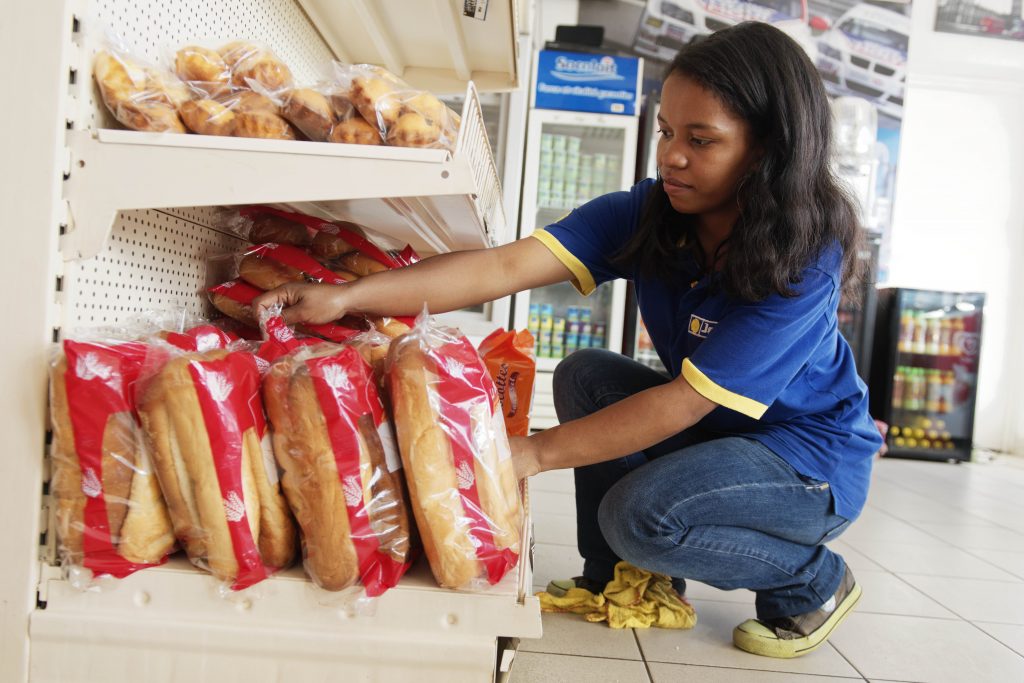
The ease or difficulty with which young people are able to transition from school to work has a lasting impact on their lives and labour market prospects. New indicators in the ILOSTAT database provide insights on youth transitions into the workforce.
Gender equality in the workplace remains elusive

ILOSTAT data show that progress is needed in many areas and in every region to achieve gender equality in the labour market.
Education pays off, but you have to be patient
The educational level of the world’s labour force is increasing, but it is not always easy for highly educated workers to find jobs matching their expectations. This Spotlight on Work Statistics explores the advantages and disadvantages of having a tertiary degree in the labour market.
Sources and Methods Volume 9: International labour migration (2020)

This volume presents the sources and methods used in the compilation of international labour migration statistics, based on the ILO metadata survey conducted in 2015-2016 in ILO Member countries and territories.