
Work and employment are not synonyms

Work and employment may be used indistinctly in everyday language, but for the labour market they mean very different things. Employment is a very specific form of work. Other forms of work include own-use production work, volunteer work and unpaid trainee work.
Decent work and the SDGs: 11 charts that tell the story
This visual essay provides an overview of the progress made towards decent work in the context of the 2030 Agenda for Sustainable Development.
ILO model questions on economic characteristics for population censuses

This resource includes model question sequences suitable for inclusion in a census form to capture the UN recommended core and additional topics on economic activity, aligned with the latest standards adopted by the ICLS.
Quick Guide on Measuring Economic Characteristics in the Population Census

Capturing essential economic characteristics of the population in the census is recommended as a core topic for the 2020 Round of Population and Housing Censuses. To support these efforts, this guide updates international census recommendations aligned with the latest ICLS standards, and develops practical tools and training to support census planners in adapting these recommendations to the national context.
Population Census resources

Online resources for data producers to improve their population census to be in line with the latest international statistical standards for labour.
Young people are far more likely to be in working poverty

When is a job not enough?
Not in employment, education or training: the reality for many young rural women
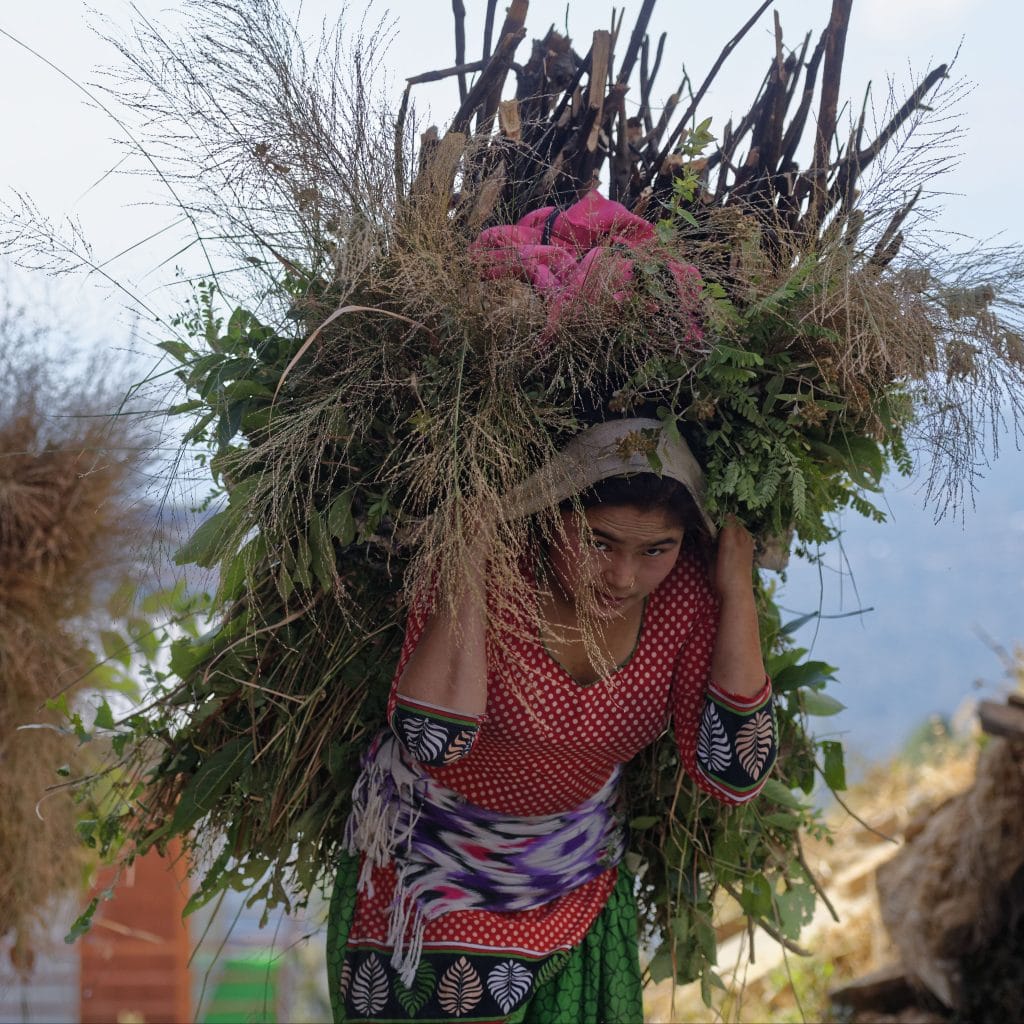
If you’re a young woman living in a rural area, you’re more likely to be out of employment and not in education and training.
These are the countries with the most teachers

Worldwide, there is large variation across countries in the number of teachers relative to the population. At one extreme, Iceland has 45 teachers for every 1,000 people. At the other extreme, the United Republic of Tanzania has only 2 for every 1,000 people.
From school to work: An analysis of youth labour market transitions

This brief presents an analysis of youth labour market outcomes, with a particular focus on two new school-to-work transition indicators published on ILOSTAT. It first introduces the new indicators. It then analyses the distribution of youth by stages of transition across a set of 60 countries for which the ILO has derived indicators from national labour force survey microdatasets.
Older workers are most discouraged in these countries

Australia and Chile, 13,000 kilometres apart, have one thing in common: discouraged older workers.